- 1. Musk proposes universal high income to offset AI job losses in white-collar sectors.
- 2. Nigeria's 33% youth unemployment worsens with 20,000 fintech roles automated.
- 3. NITDA invests N10 billion ($6.4M USD) to reskill 50,000 amid infrastructure gaps.
Elon Musk proposed universal high income to fund AI job losses on August 13, 2024. He made the call in a Detroit News interview. Nigeria faces 33% youth unemployment, per National Bureau of Statistics (NBS) Q2 2024 data. AI threatens 20,000 fintech roles, according to NITDA's 2024 AI Impact Report. Detroit News.
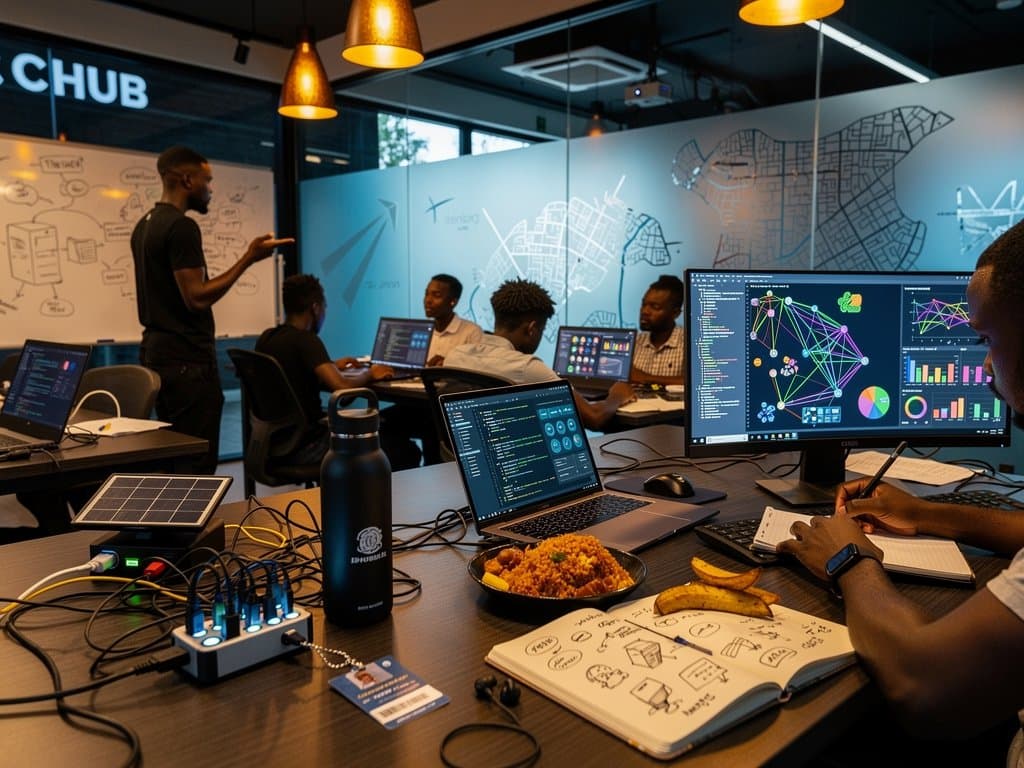
Lagos tech hubs like CcHUB train 5,000 youths annually. Power outages hit 200 hours monthly, Nigerian Electricity Regulatory Commission (NERC) reports for 2024. NITDA advances digital skills training despite these hurdles.
Musk AI Job Loss Funding Focuses on White-Collar Automation
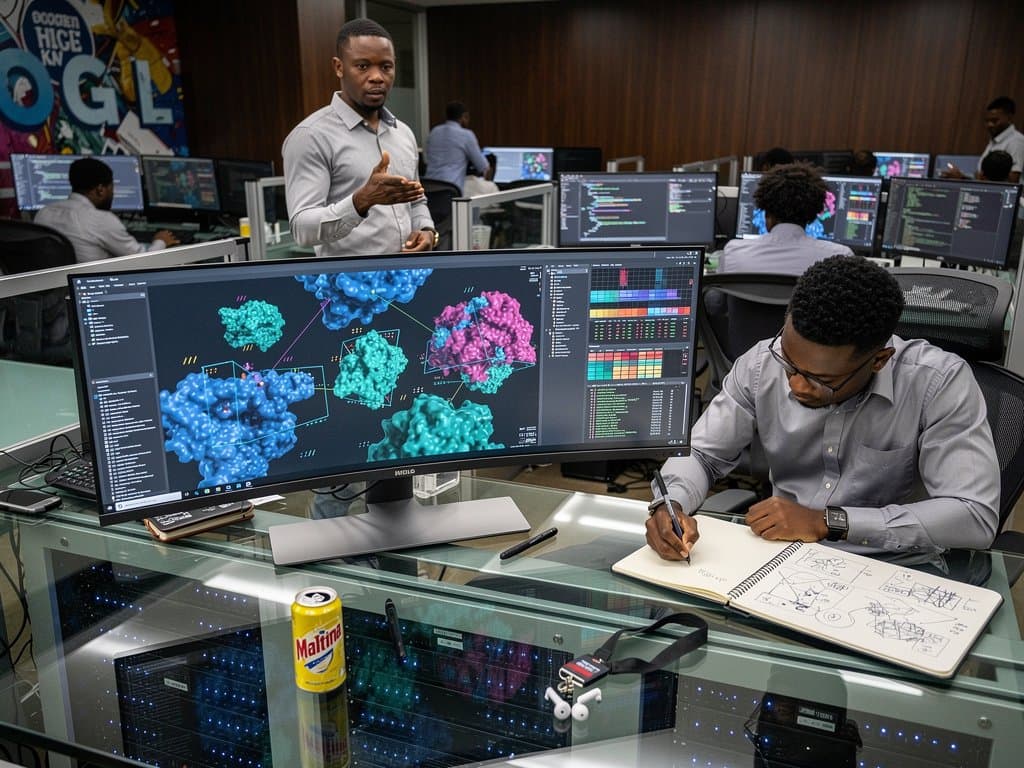
Musk targets coding and analysis roles first. xAI's Grok speeds up displacement. Access Bank states its AI chatbots manage 70% of queries in 2024 filings, despite 15 million users. This limits new hires.
Paystack uses machine learning for fraud detection. It cuts manual reviews by 40%, per company data. Central Bank of Nigeria (CBN) licenses these under Payment System Vision 2025. Reuters.
Kenya's GiveDirectly ran UBI trials. It distributed $22 million USD to 20,000 households since 2018.
Nigeria's 700,000 Developers Face AI Pressure
Nigeria leads Africa with 700,000 developers, Andela's 2024 Developer Report states. GitHub Copilot slashes junior demand by 30%, GitHub data shows.
Lagos hosts hackathons training 2,000 in TensorFlow yearly. NITDA's 2024 National AI Strategy allocates N10 billion ($6.4 million USD at N1,560/$1) for reskilling and ethics. Funding delays persist.
Starlink delivers 50 Mbps rural internet in tests. Nigeria's 40% informal economy offers no buffers, World Bank 2024 data notes. Musk highlights global risks.
Fintech Automation Surges in Nigeria Over Kenya
Fintech fuels 60% of Nigeria's GDP growth, CBN 2024 figures confirm. Interswitch's AI handles remittances for 10 million unbanked users. It eliminates data entry jobs.
CBN's cashless policy processes N600 trillion ($385 million USD) annually. Abuja youths shift to prompt engineering, earning N500,000 ($320 USD) monthly.
Kenya's M-Pesa sustains 200,000 agent jobs with partial AI. Nigeria's Opay mixes AI and humans for 30 million users.
NITDA and CcHUB Reskill 50,000 for AI Era
NITDA partners Microsoft for AI academies. It aims to train 50,000 by 2026. CcHUB incubates AI agritech startups, employing 1,000 locals. AltSchool Africa certifies 5,000 developers yearly.
Digital wallets support cash pilots. Abuja data centers use solar hybrids for reliability. CNBC.
CBN and SEC Shape Nigeria's AI Fintech Rules
CBN requires AI transparency in lending via its 2023 circular. SEC Nigeria regulates crypto-AI tools. The Data Protection Act 2023 mandates ethical AI use.
Tech hubs push public-private funds. The EU AI Act influences high-risk fintech rules from 2026. African AI investments reached $500 million USD in 2024, TechCrunch reports. TechCrunch.
Musk AI job loss funding matches NITDA's retraining push. Nigeria invests in skills to counter 20,000 job threats and build resilient tech ecosystems.
Frequently Asked Questions
What does Musk AI job loss funding entail?
Musk advocates government cash payments as universal high income. AI targets white-collar jobs first. This cushions economies like Nigeria's tech sector.
How does AI impact Nigeria's tech hubs?
CcHUB trains 5,000 youths yearly, but 33% unemployment persists. AI automates fintech roles; NITDA reskills via N10 billion strategy.
Why prioritize Musk-style funding in Africa?
Youth joblessness hits 33% amid AI tools displacing juniors. Cash enables pivots to prompt engineering and hybrid roles.
What regulations guide AI in Nigerian fintech?
CBN enforces lending AI transparency. NITDA's 2024 strategy covers ethics. SEC regulates crypto-AI; Data Protection Act ensures compliance.