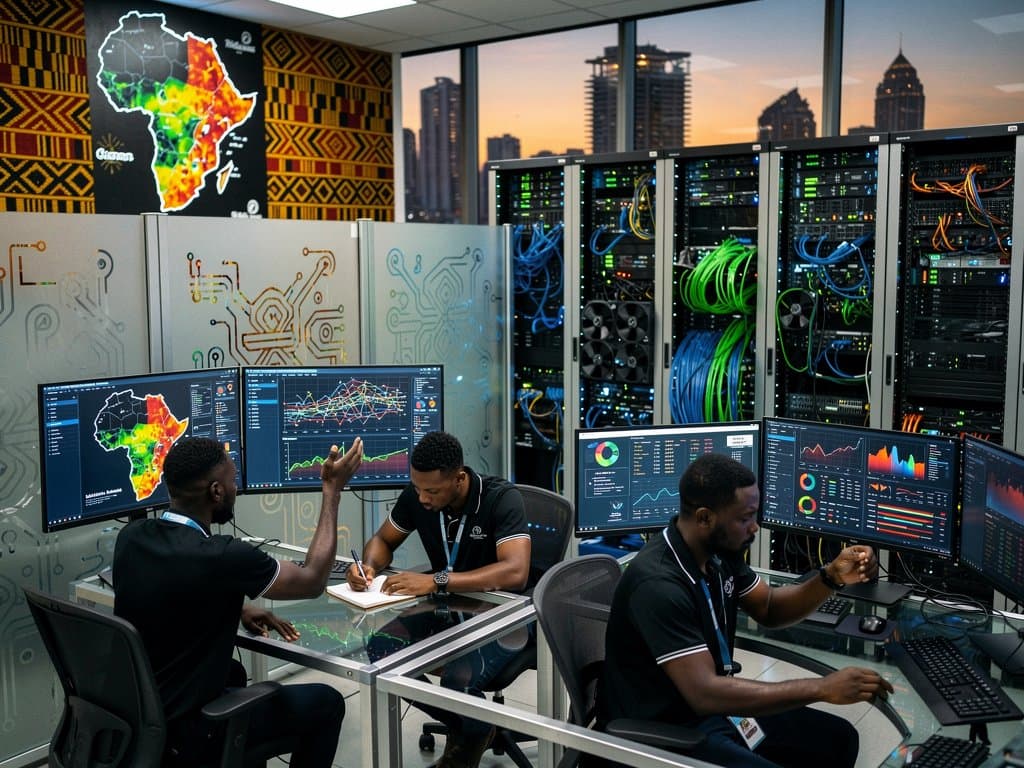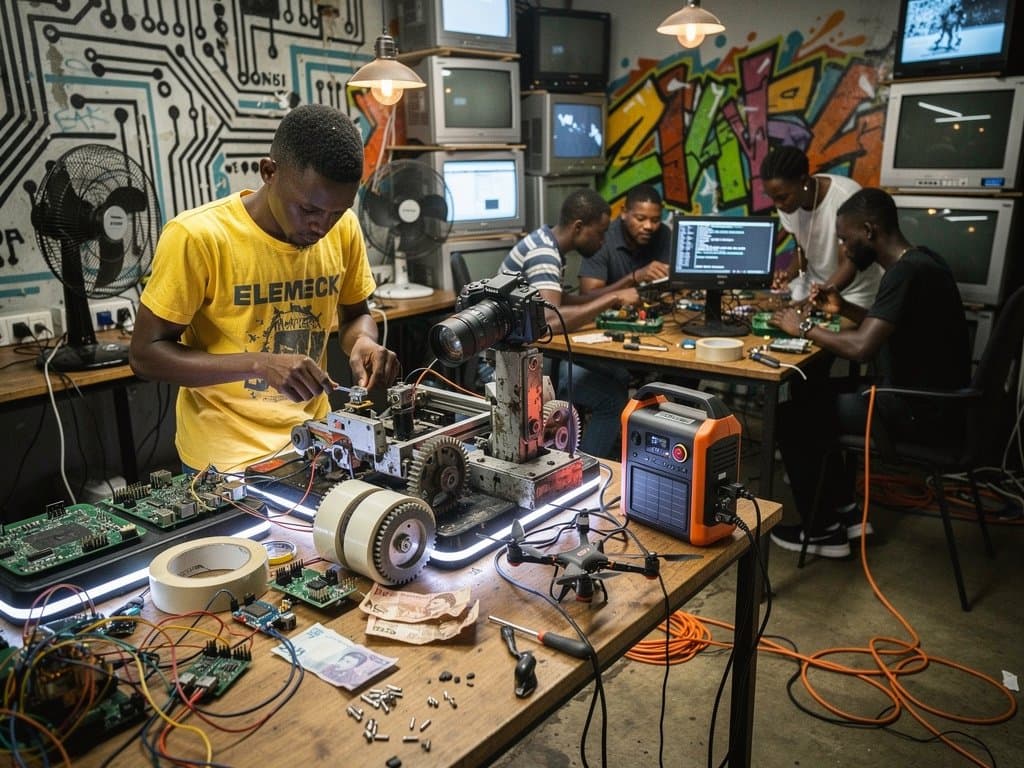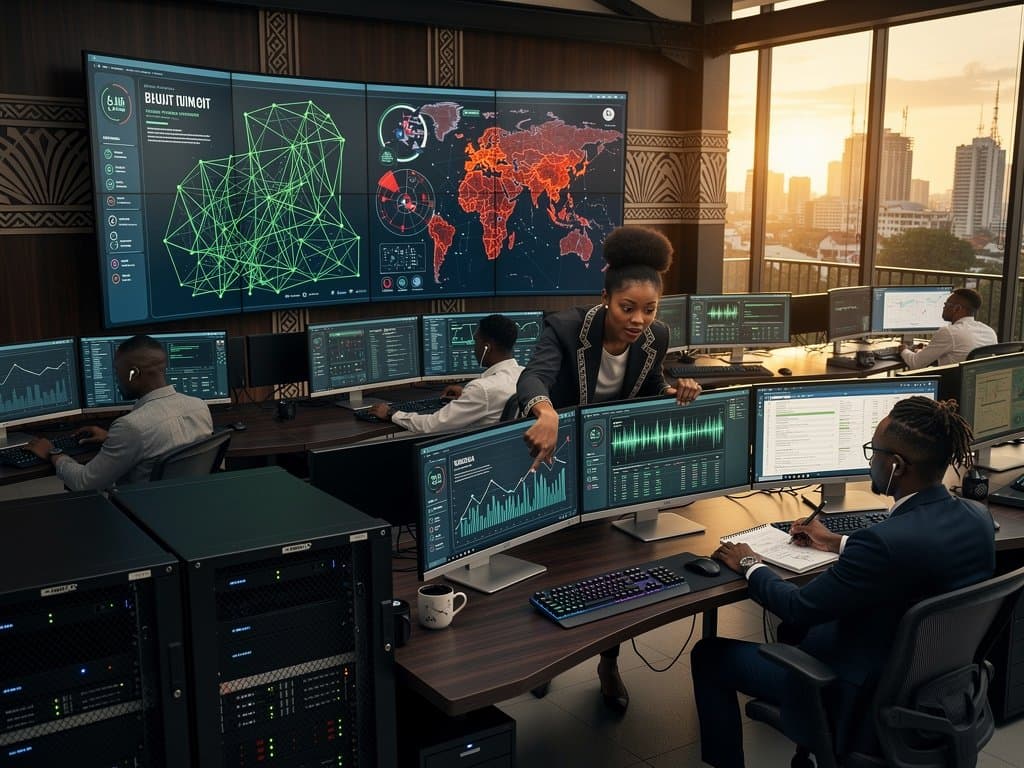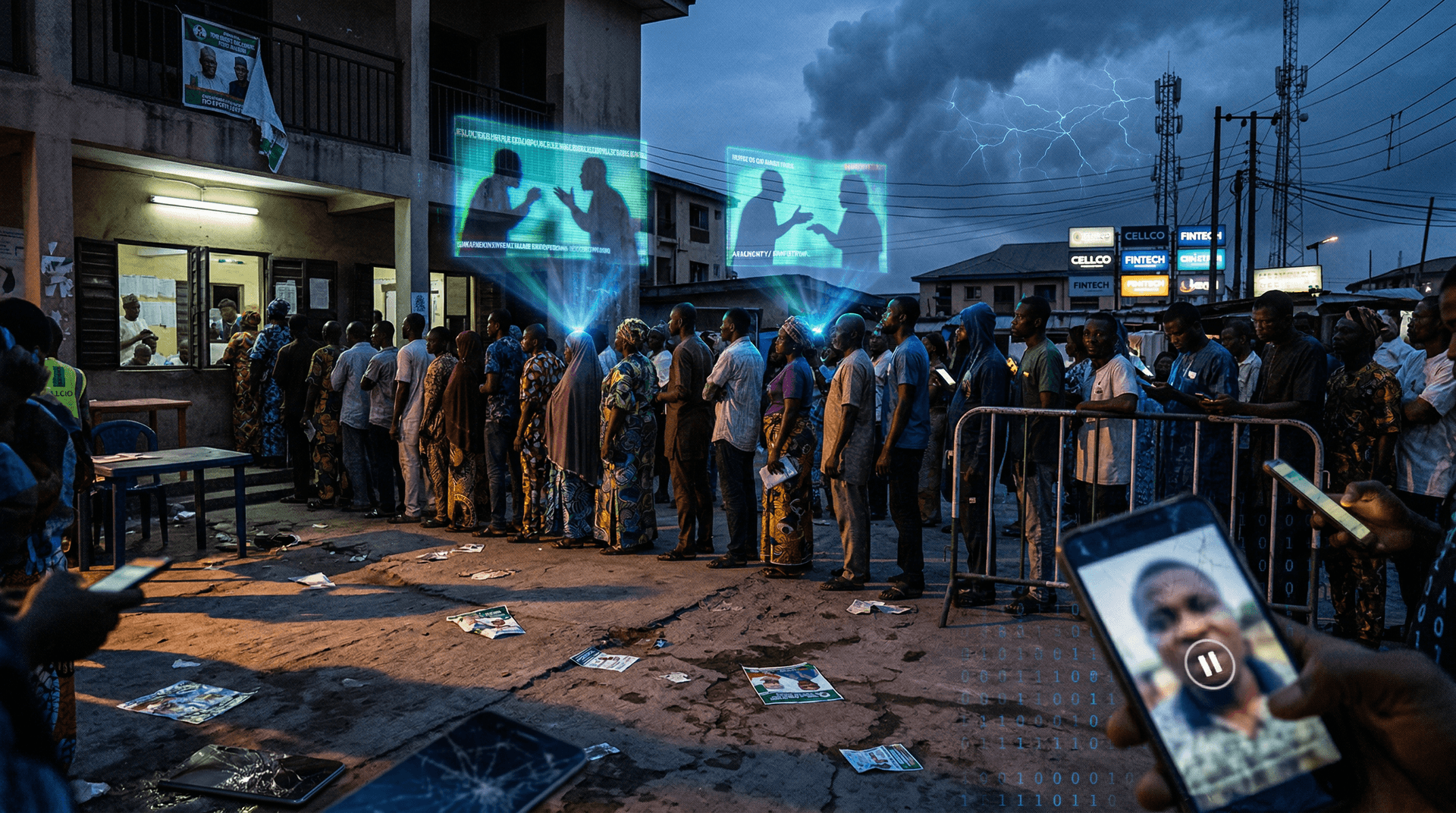
AI African polls face deepfake disruptions during Nigeria's April 2026 elections. NITDA recorded 150 incidents in Q1 2026, a 300% increase from 2025. Local tech firms accelerate misinformation risks.
Voters in Lagos viewed a deepfake video of candidate Chinedu Okoro on April 9, 2026. The video falsely promised NGN 1 million payouts. Lagos State Police confirmed its falsity on April 10, 2026.
Deepfakes Target Nigeria Voters in AI African Polls
Lagos-based DeepVoice AI sells video generation tools for NGN 50,000 per clip. Politicians deploy these to influence voters amid Nigeria's 45% internet penetration.
Rural areas face amplified risks. NITDA data from April 11, 2026, shows low media literacy doubles deepfake impact where power outages force mobile data reliance.
Opposition parties accuse APC of deploying AI bots on X (formerly Twitter). These bots spread corruption allegations. X Analytics reported 2 million suspicious posts in Abuja on April 8, 2026.
Nigeria's fragmented regulations hinder responses. NITDA lacks binding AI audit rules, unlike Kenya's Communications Authority mandates.
Nigeria Tech Boom Fuels AI African Polls Risks
African AI startups raised USD 1.2 billion in 2025, per Partech Africa. Nigerian firms captured 40%, or USD 480 million, fueling tools like voter analytics.
Flutterwave integrates AI chatbots into its payment platform, licensed by CBN. These analyze mobile money data trails. Serianu warned of propaganda risks in its April 2026 cybersecurity report.
Paystack, under Stripe, processes NGN 500 billion annually. Its AI tools map voter behaviors, heightening Nigeria-specific vulnerabilities from 87% mobile penetration but 60% unreliable power access.
Cybersecurity Gaps Expose AI African Polls
NITDA guidelines trail rapid AI adoption. Most firms bypass voluntary audits due to Naira volatility at NGN 1,650 per USD.
Kenya's IEBC suffered AI-driven breaches in voter databases during March 2026 by-elections. Attackers used open-source tools like DeepFaceLab.
South Africa's IEC repelled AI-orchestrated DDoS attacks in March 2026. Kaspersky Lab attributes 70% of 2026 African cyber incidents to AI enhancements.
Nigeria tested blockchain voting in Enugu on April 5, 2026. Deepfakes bypassed Ethereum-based verification, per INEC internal memo dated April 11, 2026.
VerifyNG offers deepfake detection software at NGN 10,000 monthly. Only 15% of parties subscribe, citing currency fluctuations.
Investors Fund AI Tools Despite Poll Risks
TLcom Capital led a USD 50 million Series A in EchoMind on March 15, 2026. Funds support campaign analytics platforms targeting underfunded candidates.
EchoMind CEO Tunde Adebayo stated on April 10, 2026: "AI levels the playing field in Nigeria's competitive polls."
Novastar Ventures invested USD 30 million in similar tools last quarter. McKinsey projects a USD 5 billion AI market in African elections by 2030.
Partech Africa now mandates electoral risk assessments for portfolio firms, protecting Nigeria's USD 4 billion tech sector.
AI Threats Spread Across African Markets
Ghana's December 2025 elections saw AI voice clones of President Nana Akufo-Addo. Afrobarometer survey on April 1, 2026, found they swayed 8% of youth voters.
Ethiopia's SkyTech provided AI drones for rally surveillance. Human Rights Watch documented abuses on April 9, 2026.
Rwanda's National Electoral Commission adopted AI monitoring, contrasting Nigeria's gaps. CcHUB reports 60% of its ethical AI trainees join political firms as of April 2026.
EU regulators fined OpenAI USD 20 million on April 8, 2026, for transparency lapses. NITDA plans an AI regulatory bill for June 2026.
Securing Future AI African Polls
Governments must mandate AI watermarks on political content. NITDA proposed this framework on April 12, 2026.
X rolled out deepfake labels in Nigeria on April 10, 2026.
AltSchool Africa trained 50,000 Nigerians in deepfake detection since January 2026. Lagos pilots achieved 75% completion rates.
ShieldAI boasts 95% bot detection accuracy. Ventures Platform led its USD 2 million seed round on April 11, 2026, for election safeguards.
Stronger regulations will protect AI African polls. Nigeria's tech ecosystem grows securely with targeted investor scrutiny and infrastructure upgrades.