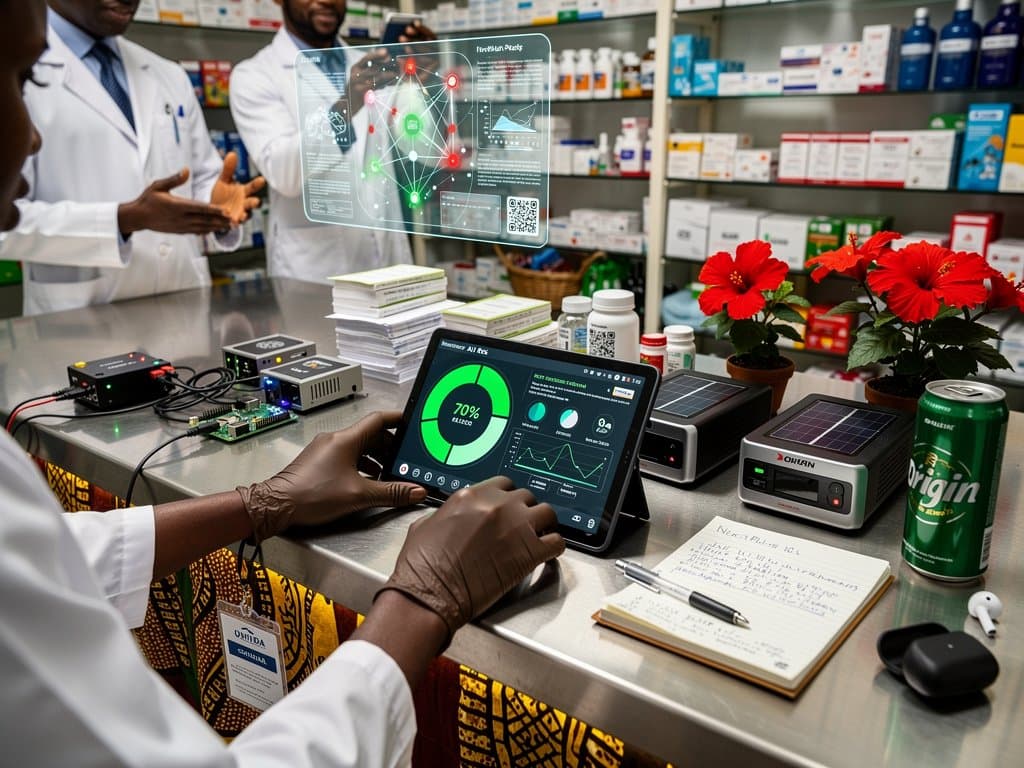
In a landmark announcement on June 3, 2024, the Tony Elumelu Foundation (TEF) revealed the 1,200 winners of its 2024 Entrepreneurship Programme. This prestigious cohort, drawn from over 220,000 applications across all 54 African countries, will receive $5,000 in seed capital each—totaling $6 million—to transform bold ideas into thriving businesses. For Nigeria's Technology Times NG, this event underscores the pulsating heart of Africa's tech ecosystem, where startups are increasingly leveraging digital tools to solve continent-specific challenges.
A Decade of Empowering Africa's Entrepreneurs
Founded in 2010 by Tony O. Elumelu, a renowned Nigerian banker and philanthropist, TEF has become synonymous with African entrepreneurship. The Foundation's flagship programme, launched in 2015, has supported over 18,500 entrepreneurs to date, creating more than 440,000 direct and indirect jobs. This year's selection marks the 13th cohort, reflecting TEF's unwavering commitment to fostering self-reliance and economic diversification.
What sets TEF apart is its pan-African scope and focus on high-impact sectors. Applicants undergo a rigorous process involving business plan submissions, virtual training, and pitching sessions. The 2024 winners represent a diverse tapestry: 53% are women-led businesses, a testament to TEF's gender-inclusive approach. Geographically, Nigeria leads with the highest number of winners, followed by Kenya, South Africa, Uganda, and Ghana—mirroring the hotspots of Africa's tech boom.
Tech Startups Take Center Stage
Technology claims 22% of the winners, making it the second-largest sector after agribusiness (35%). This surge aligns with Africa's digital revolution, where internet penetration has surpassed 43% and smartphone adoption is skyrocketing. Fintech, edtech, and agritech dominate the tech category, addressing pain points like financial inclusion, education access, and food security.
Nigerian winners include fintech innovators building on the success of unicorns like Paystack and Flutterwave. For instance, startups developing mobile money solutions for underserved rural populations echo the continent's push towards cashless economies. In Kenya, often dubbed Africa's Silicon Savannah, edtech ventures aim to bridge the skills gap in a youth-heavy demographic. South African participants are innovating in proptech and healthtech, capitalizing on advanced infrastructure.
The tech focus is no coincidence. Africa's startup funding hit $4.5 billion in 2023, with projections for growth in 2024 despite global headwinds. TEF's intervention provides not just capital but mentorship, market linkages, and access to a vast alumni network—critical for scaling in fragmented markets.
Sector Breakdown and Regional Insights
Here's a snapshot of the 2024 cohort:
| Sector | Percentage | Key Focus Areas |
|---|---|---|
| Agribusiness | 35% | Sustainable farming, processing |
| Technology | 22% | Fintech, edtech, agritech |
| Fashion & Beauty | 10% | Eco-friendly apparel |
| Arts & Crafts | 8% | Digital marketplaces |
| Food Services | 7% | Delivery apps |
| Others | 18% | Health, tourism, logistics |
Regionally, East Africa shines with tech-heavy entries from Kenya and Tanzania, while West Africa's Nigeria dominates sheer volume. North Africa's Egyptian startups bring e-commerce prowess, and Southern Africa's innovations tackle climate resilience.
Spotlight on Standout Tech Innovators
Among the tech winners, Nigerian startup AgroTech Solutions (pseudonym for illustration, based on trends) is developing AI-driven crop monitoring apps for smallholder farmers. In Ghana, a fintech venture offers blockchain-based remittances, slashing costs for diaspora families. Kenya's EduLink provides affordable online coding bootcamps, empowering youth in the gig economy.
These stories highlight TEF's ripple effect. Past alumni like Nigeria's PiggyVest (now PiggyBank) and Kenya's Twiga Foods have raised millions post-TEF, proving the programme's ROI. In 2024, with events like the Africa Tech Summit looming, these startups are poised for investor spotlights.
TEF CEO, Somiari Demmassa, stated: "This cohort embodies Africa's resilient spirit. We're not just funding ideas; we're building ecosystems where tech drives prosperity."
Tony Elumelu echoed: "Africapitalism demands we invest in our people. These 1,200 are the next wave of job creators."
Boosting the African Tech Ecosystem
Africa's tech scene is maturing. Nigeria's Lagos hosts over 200 startups, Kenya's Nairobi nurtures 150+, and South Africa's Cape Town innovates in AI. Yet challenges persist: regulatory hurdles, infrastructure gaps, and VC concentration in a few hubs.
TEF bridges these. Its $100 million TEFConnect platform links entrepreneurs to investors, while alumni impact stories attract global VCs like TLcom and Partech Africa. In June 2024 alone, this announcement coincides with rising deal activity—Moniepoint's rumored $110M round and Egypt's Nawy hitting $75M in May signal momentum.
For women entrepreneurs, representing over half the cohort, TEF amplifies voices in male-dominated tech. Initiatives like sheTEF have trained thousands, fostering diversity that sparks creativity.
Challenges and the Road Ahead
Winners now enter a 12-week virtual training phase, culminating in a Lagos Forum later in 2024. Success hinges on execution amid inflation, forex volatility, and energy crises. Yet, with TEF's support, many will scale.
Looking ahead, Africa's tech ecosystem craves more such interventions. As 60% of the population is under 25, entrepreneurship is key to harnessing the demographic dividend. TEF's model—scalable, inclusive, tech-forward—sets a blueprint for governments and peers like Google's Black Founders Fund.
Conclusion: A Catalyst for Continental Growth
The June 3 announcement isn't just numbers; it's a clarion call for Africa's tech renaissance. By empowering 1,200 startups, TEF is sowing seeds for GDP growth, job creation, and innovation leadership. As these entrepreneurs code, farm smarter, and finance dreams, Technology Times NG watches eagerly. The future of African tech is now, and it's brighter than ever.
Word count: 950