Provo city leaders outlined ethical AI strategies for urban services during the April 11, 2026, debate. Nigeria's Lagos and Kenya's Nairobi tech hubs adapt these amid power outages and regulatory hurdles.
Provo AI Debate Mirrors African Urban Challenges
Provo's mayor and advisors deployed AI for traffic flow and energy use. The city's 115,000 residents endure density akin to Lagos wards. A 2025 Brigham Young University study reported AI cut emergency response times by 28%.
Nigerian developers customize these tools despite data shortages. NITDA's 2026 AI Strategy commits NGN 15 billion (USD 9.5 million) to local pilots. The plan prioritizes data sovereignty against foreign cloud reliance.
Lagos internet penetration hits 55% per ITU 2026 data, with costs at USD 1.50 per GB. Provo's edge computing sidesteps such bandwidth limits.
Ethical AI Deployment Fits Lagos Regulations
Mayor Karl Clawson emphasized resident-first AI. "AI must serve residents first," Clawson stated. Provo pilots applied natural language processing to gather public input.
A USD 2.5 million Utah state grant supported the initiative. City reports documented 35% cuts in water leak repair costs. Lagos State Water Corporation reports parallel leak issues across 20 million residents.
Provo selected open-source Llama 3 for predictive maintenance. Municipal teams achieved 70% adoption by Q1 2026. Nairobi's iHub pilots reached 45% uptake amid Kenya's Data Protection Act.
Nigeria's Data Protection Act imposes fines up to 2% of annual revenue, mirroring Utah's AI Act. Compliance draws venture capital.
Provo Lessons Tailor to Lagos Tech Hubs
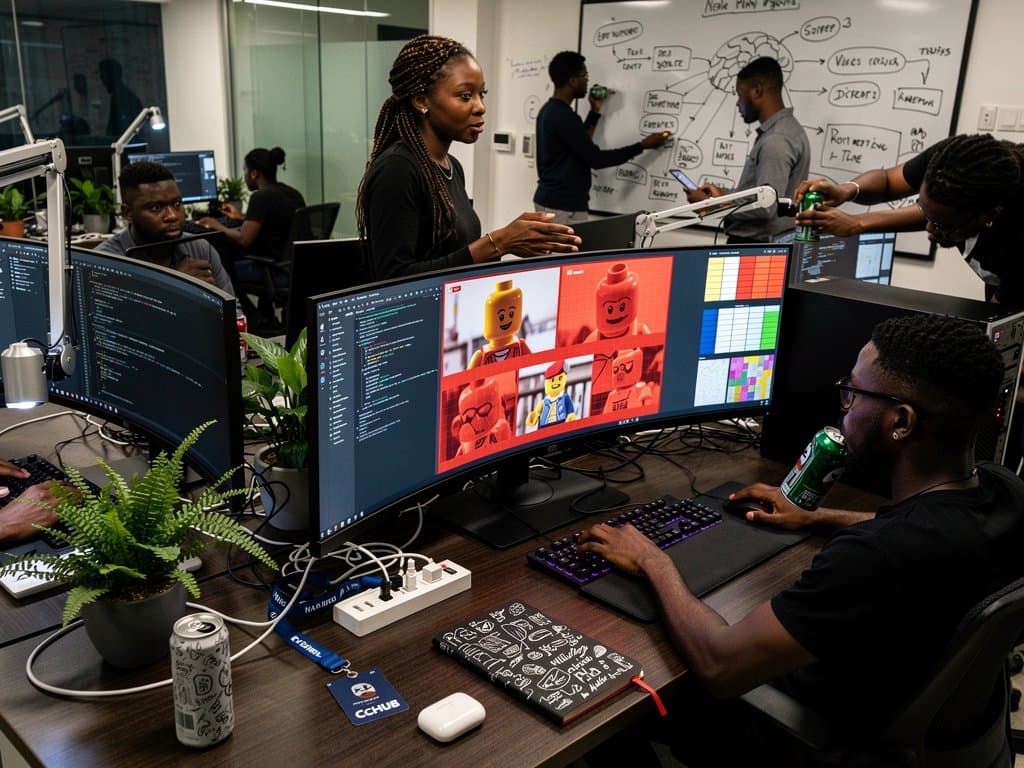
Lagos, with 20 million residents, hosts CcHUB's AI accelerators. Provo urges affordable AI for traffic congestion, where commuters lose 100 hours yearly per World Bank data.
Andela trains 5,000 developers annually in AI at its Lagos campus. Public-private partnerships drove 40% efficiency gains in Provo. Nigerian AI startups secured USD 450 million in 2025 funding, per Partech Africa.
Power outages strike 200 days yearly, according to Nigeria's Bureau of Statistics. Provo's solar-powered edge AI suits firms like Intron Health, which processes health data offline.
CBN regulations require fintechs to secure AI models locally, boosting trust.
Nairobi Draws Parallels from Provo AI Debate
Nairobi's iHub and Safaricom Spark nurture 300 AI startups. Provo's ethics boards now guide 60% of Utah cities. Kenya drafts similar frameworks before 2026 elections.
East Africa's AI market reached USD 1.2 billion in 2026, Briter Bridges reports. Provo generated 1,200 jobs, addressing Nairobi's 15% youth unemployment per KNBS.
Safaricom's M-Pesa AI flags fraud across 10 billion transactions yearly. Provo cut municipal fraud by 22% with similar detection.
African AI investments surged 55% to USD 2.8 billion in 2025, Disrupt Africa notes. Provo prioritizes measurable local returns.
Funding Unlocks African AI Adoption
Provo secured USD 10 million from Silicon Slopes investors for civic AI. Lagos fintechs like Flutterwave embed AI after USD 250 million funding rounds.
Nigerian AI companies accessed NGN 50 billion (USD 31.5 million) in Bank of Industry loans during Q1 2026. Provo's grant models inspire blended public-private finance. Abuja startups amassed USD 1.1 billion in lifetime funding, Tracxn data shows.
Provo required open APIs, which slashed costs by 25%. African hubs use Hugging Face models optimized for low bandwidth and intermittent power.
Policy Alignment Speeds AI Implementation
NITDA issued guidelines on March 15, 2026, mandating local data centers. MainOne processes 20% of Nigeria's AI workloads in Lagos.
Kenya's Digital Economy Blueprint allocates KES 100 billion (USD 775 million). The African Union aims for 30% GDP growth from digital tech by 2030.
McKinsey projects 500,000 AI jobs in Nigeria by 2030. Provo added 300 roles in two years. AltSchool Africa trains talent pipelines.
Provo's offline-first AI addresses Nigeria's 55% internet access and frequent blackouts.
Next Steps After Provo AI Debate
Provo's framework powers Lagos waste management pilots targeting 40% efficiency gains. Nairobi pursues agritech AI for smallholder farmers.
NITDA hosts an Abuja summit in June 2026 to benchmark the Provo AI debate. AVCA predicts USD 5 billion in African AI inflows this year.
Iyinoluwa Aboyeji of Future Africa noted, "Provo shows AI thrives on community buy-in." His firm supports 50 AI ventures across Nigeria and Kenya.
Lagos and Nairobi hubs expand these pilots into regional models, navigating distinct CBN and CBK regulations.