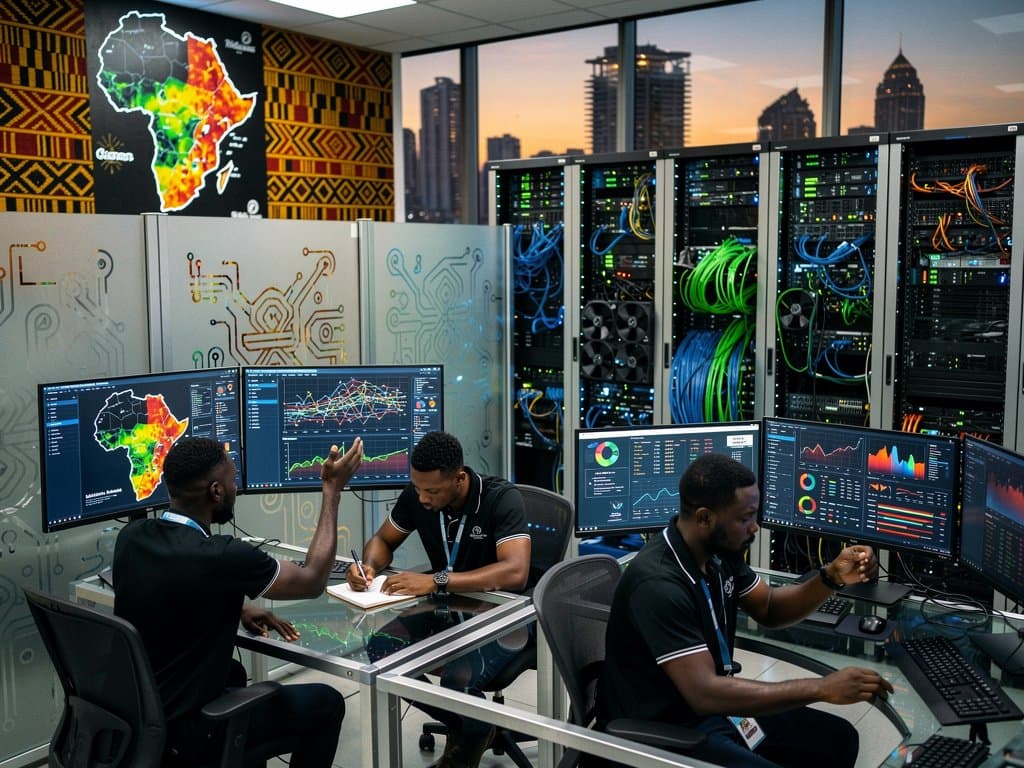
- 1. NIST limits CVE enrichment to 4,000 high-impact vulnerabilities yearly.
- 2. Nigerian fintechs deploy in-house scanners under NITDA rules.
- 3. Changes accelerate defenses amid BTC $77,144 volatility.
NIST terminated CVE enrichment for over 25,000 vulnerabilities yearly in its National Vulnerability Database (NVD). Director Laurie E. Locascio announced the change on October 24, 2024. Private vendors now provide CVSS v4.0 scores. Nigerian fintechs accelerate defenses under NITDA oversight. (28 words)
This shift frees NIST for high-impact threats. Previously, NVD added structured data to CVEs from MITRE. NITDA Director General Kashifu Inuwa Abdullahi enforces fintech compliance in Nigeria.
Bitcoin traded at $77,144 with a $1.544 trillion market cap, per CoinGecko on November 15, 2024. Nigerian platforms deploy in-house tools for crypto security.
NIST CVE Enrichment Shift Enhances Nigerian Fintech Cybersecurity
MITRE assigns CVE identifiers through CNAs. Vendors like Tenable deliver analysis. Lagos developers embed scanners in CI/CD pipelines.
CcHUB trains engineers despite power outages. High broadband costs force targeted scans. CBN Governor Olayemi Cardoso reported NGN 1.2 trillion daily fintech volumes in Q3 2024.
Opay and Moniepoint patch mobile exploits fast. NITDA mandates align with global standards.
Annual CVE Surge Prompts NIST Scale-Back
NIST faces over 30,000 CVEs yearly, causing backlogs. The agency uses AI for low-risk cases. CISA prioritizes high-severity flaws.
NITDA adopts similar efficiencies for Lagos data centers. Abdullahi stated this in a November 2024 NITDA webinar. Fear & Greed Index hit 21 (extreme fear) on Alternative.me, November 15, 2024.
Fintech cyber risks rise in Nigeria's volatile markets.
Custom Tools Speed NIST CVE Enrichment Alternatives
Nigerian fintechs reduce NVD reliance. Abuja startups hire penetration testers. NITDA Cybersecurity Centre requires compliance.
Power shortages drive edge computing. MainOne's recent broadband upgrade enables real-time feeds. Flutterwave CTO Fred Oladeinde discussed adaptations in a TechCabal interview.
Ethereum reached $2,421.45 with $292.2 billion cap (CoinGecko, November 15, 2024). Remittance firms secure cross-border flows.
Nigerian Cybersecurity Startups Seize Opportunities
Founders build vulnerability SaaS platforms. Lagos accelerators fund cyber tools. Andela trains talent for scanners.
Investors support rivals to Qualys. NITDA grants boost R&D. Mobile-first security provides edges.
Solana hit $89.10 ($51.3 billion cap, CoinGecko). Nigerian nodes decentralize CVE triage. Pan-African hubs like Kenya's watch closely, but Nigeria leads via CBN licensing.
NITDA Aligns NIST CVE Enrichment Changes
NITDA syncs via global agreements. Fintech licenses demand CVE monitoring. Guidelines encourage private enrichment.
Data regulations favor local clouds like MainOne. Nigeria outperforms Kenya through AltSchool Africa talent.
XRP traded at $1.48 ($91 billion cap, CoinGecko). Platforms patch proactively. CBN caps crypto inflows, yet volumes grow.
Crypto Security Thrives Post-NIST CVE Enrichment Pivot
Platforms audit wallets for CVEs. NIST targets zero-days. BNB stood at $639.71 (CoinGecko).
Traders demand audits. Startups launch blockchain scanners. MiCA rules launch in 2026. Glassnode tracks exploits.
In-house NIST CVE enrichment builds Nigerian fintech resilience. NITDA frameworks ensure CBN-licensed firms process NGN trillions securely amid infrastructure challenges.
Frequently Asked Questions
What happens when NIST ends CVE enrichment?
NIST limits NVD additions like CVSS scores to high-impact flaws. Private firms use tools like Tenable for analysis. This speeds prioritization in Nigeria.
How does NIST CVE policy affect Nigerian fintech?
Fintechs invest in-house scanners amid NITDA mandates. CBN-licensed firms gain mobile security edges. Infrastructure spurs resilient tools.
Why does NIST scale back CVE enrichment?
Overwhelming CVE volume caused backlogs. AI handles low-risk tags. High-severity get reviews, freeing policy focus.
What replaces NIST CVE enrichment in Nigeria?
Qualys-like scanners integrate into pipelines. NITDA pushes blockchain audits. Local R&D fills gaps.