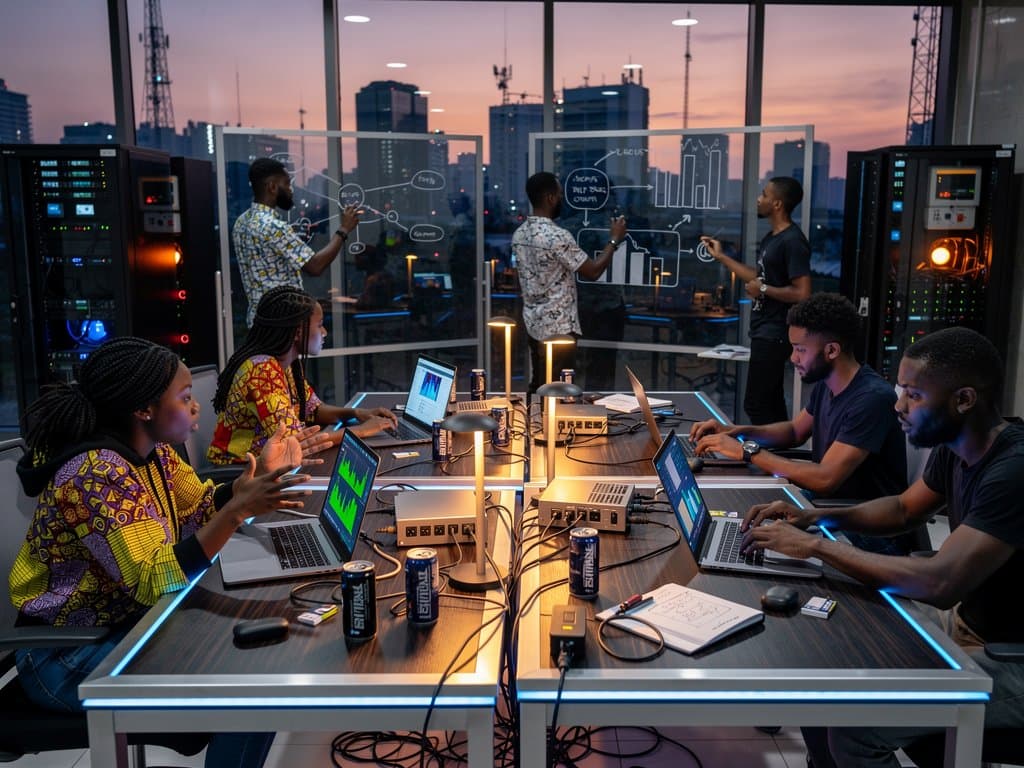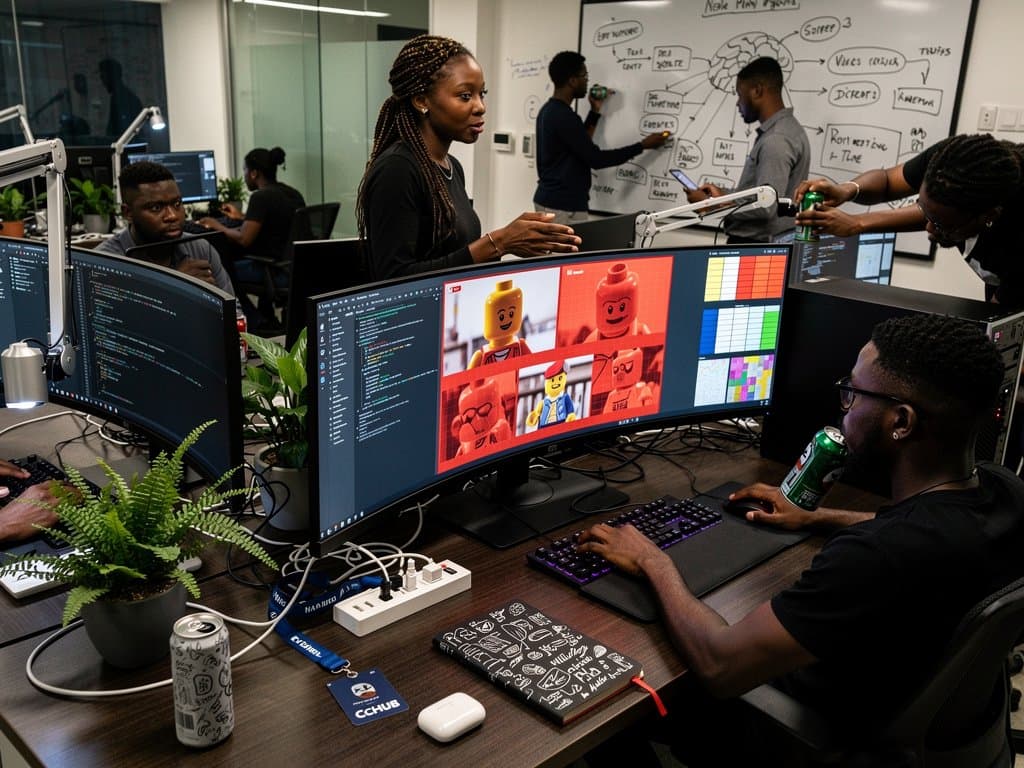
On April 26, 2023, the virtual stage lit up with ambition as Google for Startups Accelerator: Africa held its Demo Day, presenting 20 exceptional Black-led startups to a global audience of investors, mentors, and tech enthusiasts. This culmination of an intensive 12-week equity-free acceleration program highlighted the vibrant software innovation surging from the African tech ecosystem, particularly in Nigeria, Kenya, South Africa, and beyond.
The Road to Demo Day: Building Africa's Software Future
Launched as part of Google for Startups' Black Founders Fund initiative, the Accelerator: Africa program selected 40 startups earlier in 2023 from hundreds of applicants across the continent. These founders, predominantly from Nigeria (with strong representation from Lagos' Yaba tech hub), Kenya, Egypt, South Africa, and other nations, received tailored mentorship, technical workshops on cloud computing, AI/ML, product scaling, and access to Google's vast resources like Google Cloud credits worth up to $350,000 per cohort.
The program's focus on software categories—ranging from fintech APIs and AI-driven analytics to edtech platforms and developer tools—aligned perfectly with Africa's digital transformation needs. "Africa's software ecosystem is no longer emerging; it's exploding," noted Femi Longe, a prominent Nigerian tech leader and advisor to similar programs. "Events like this Demo Day bridge the gap between local ingenuity and global capital."
Over the weeks, participants honed their pitches, refined MVPs (minimum viable products), and networked with alumni from previous cohorts, including unicorns like Flutterwave and Paystack. By Demo Day, the top 20 were battle-ready, each allocated five minutes to dazzle judges with demos of their software solutions tackling real African challenges like financial inclusion, healthcare access, and education equity.
Standout Software Innovators from the Pitch Arena
The pitches were a masterclass in software ingenuity:
- Fintech Trailblazers: Nigerian startup PayDues unveiled a SaaS platform for automated invoice reconciliation using AI, targeting SMEs in Africa's informal economy. Their software integrates with mobile money systems like M-Pesa and MTN MoMo, promising 40% faster payments. Another, Kenya's Lendah, pitched a blockchain-secured lending API that assesses credit via alternative data from mobile usage—crucial in a continent where traditional banking reaches only 40% of adults.
- AI and Data Powerhouses: From South Africa, DataProphet showcased manufacturing optimization software using machine learning to predict equipment failures, already piloted in Johannesburg factories. Egypt's IntelliDoc demoed an NLP-powered medical record analyzer, reducing diagnostic time by 60% for under-resourced clinics.
- Edtech and DevTools: Nigeria's Edves evolved its school management software with new AI tutoring modules, serving over 1,000 schools. Ghana's Creeq pitched a no-code platform for developers to build scalable web apps, democratizing software creation for non-coders.
These weren't just ideas; most had live betas with paying users, underscoring the maturity of Africa's software scene. Investors from Sequoia Capital Africa, TLcom Capital, and Google's own funds were in attendance, sparking immediate term sheet discussions.
Why This Matters for Africa's Software Ecosystem
Africa's tech ecosystem has seen explosive growth, with software startups raising over $4 billion in 2022 alone, per Partech Africa reports. Yet challenges persist: talent retention, infrastructure gaps, and funding biases. Google's Demo Day addresses these head-on.
In Nigeria, home to Africa's largest tech hub, events like this fuel the 'Lagos as Africa's Silicon Valley' narrative. The country's software exports—think remittance apps and logistics platforms—are booming, with firms like Interswitch powering regional digital payments. Kenya's 'Silicon Savannah' contributes fintech software like Tala's credit scoring algorithms, while South Africa's Cape Town offers robust cloud-native solutions.
The Black Founders Fund emphasis ensures underrepresented voices amplify. Women-led startups, like Rwanda's agritech software firm optimizing crop yields via satellite data, gained visibility. This inclusivity is vital: African women entrepreneurs control 44% of small businesses but receive less than 1% of VC funding.
Post-Demo Day, participants gain continued Google support, including potential Black Founders Fund grants up to $150,000. Alumni networks provide ongoing mentorship, fostering a self-sustaining software ecosystem.
Investor Buzz and Next Steps
Feedback was electric. "The quality of software demos rivals Silicon Valley," tweeted one VC attendee (pre-rebrand). Interest poured in for B2B SaaS tools addressing Africa's unique needs, like offline-first mobile apps resilient to power outages.
Looking ahead, Google hinted at expanding cohorts and regional hubs. For African founders, this Demo Day is a beacon: software isn't just code—it's the engine of economic leapfrogging.
As Nigeria's tech minister Isa Pantami emphasized in recent digital economy pushes, investing in software talent is key to GDP growth. With events like this, Africa's software renaissance is accelerating.
In summary, the April 26 Demo Day wasn't just pitches; it was a declaration. Africa's software innovators are ready to code the continent's future, one API at a time.
Technology Times NG will follow these startups' journeys. Stay tuned for funding announcements.
(Word count: 912)