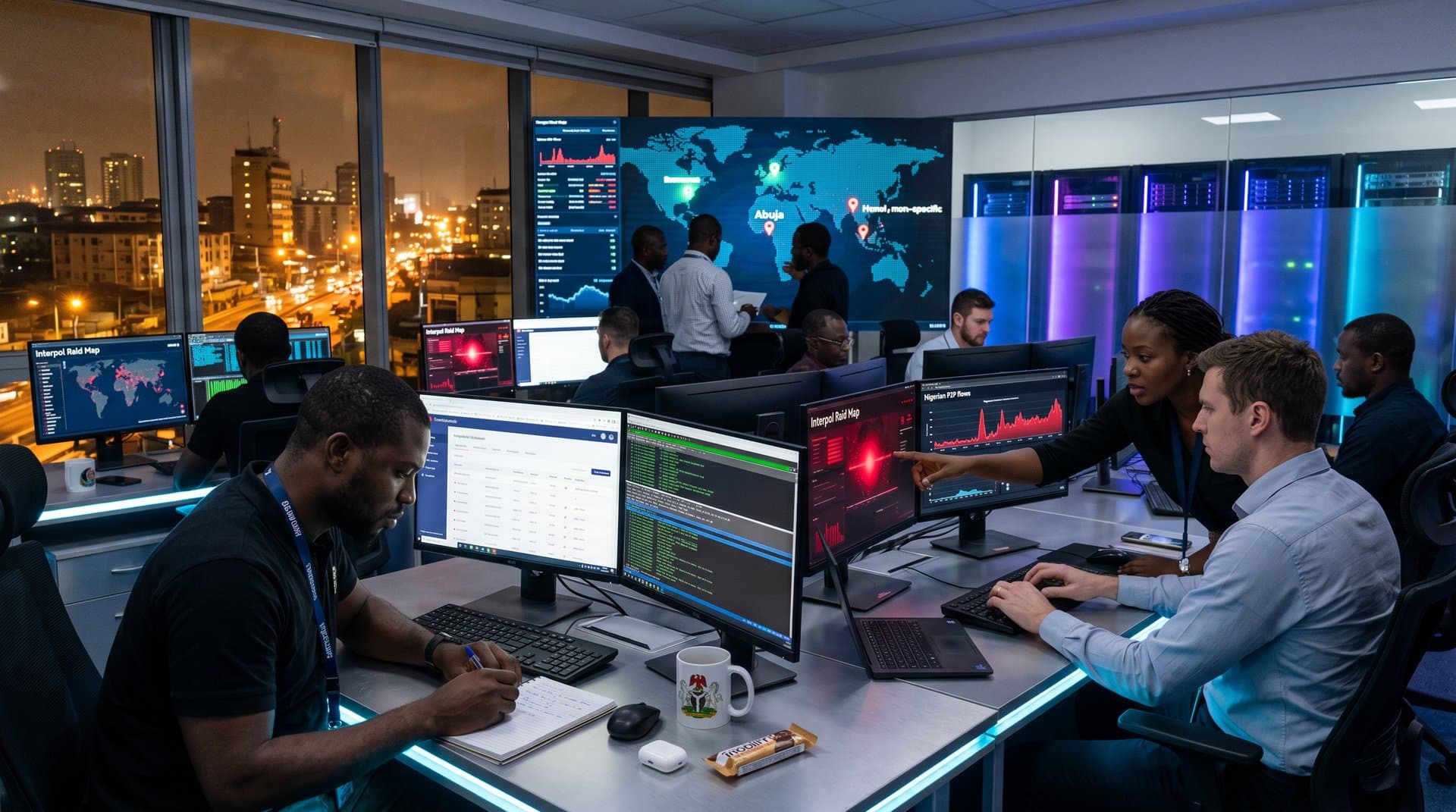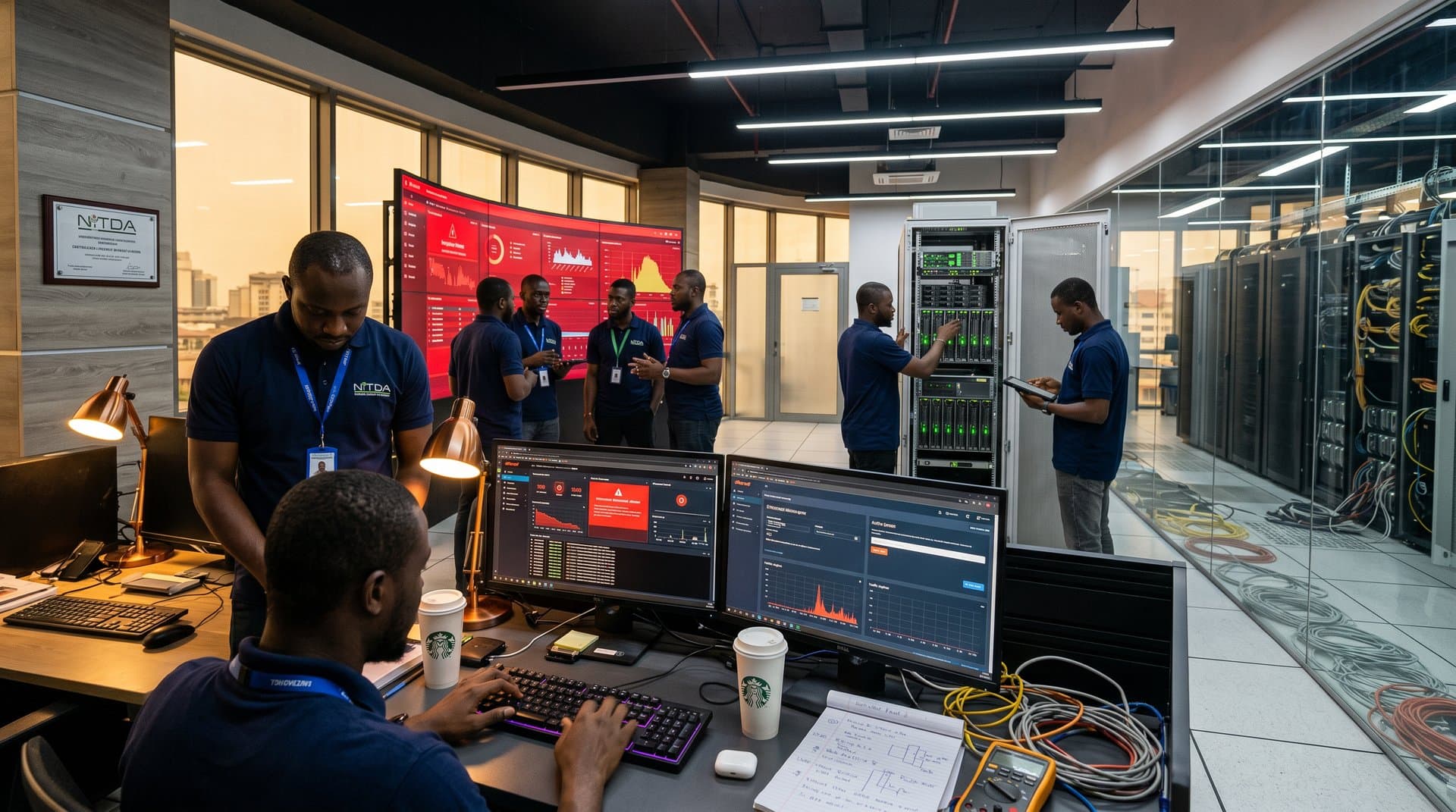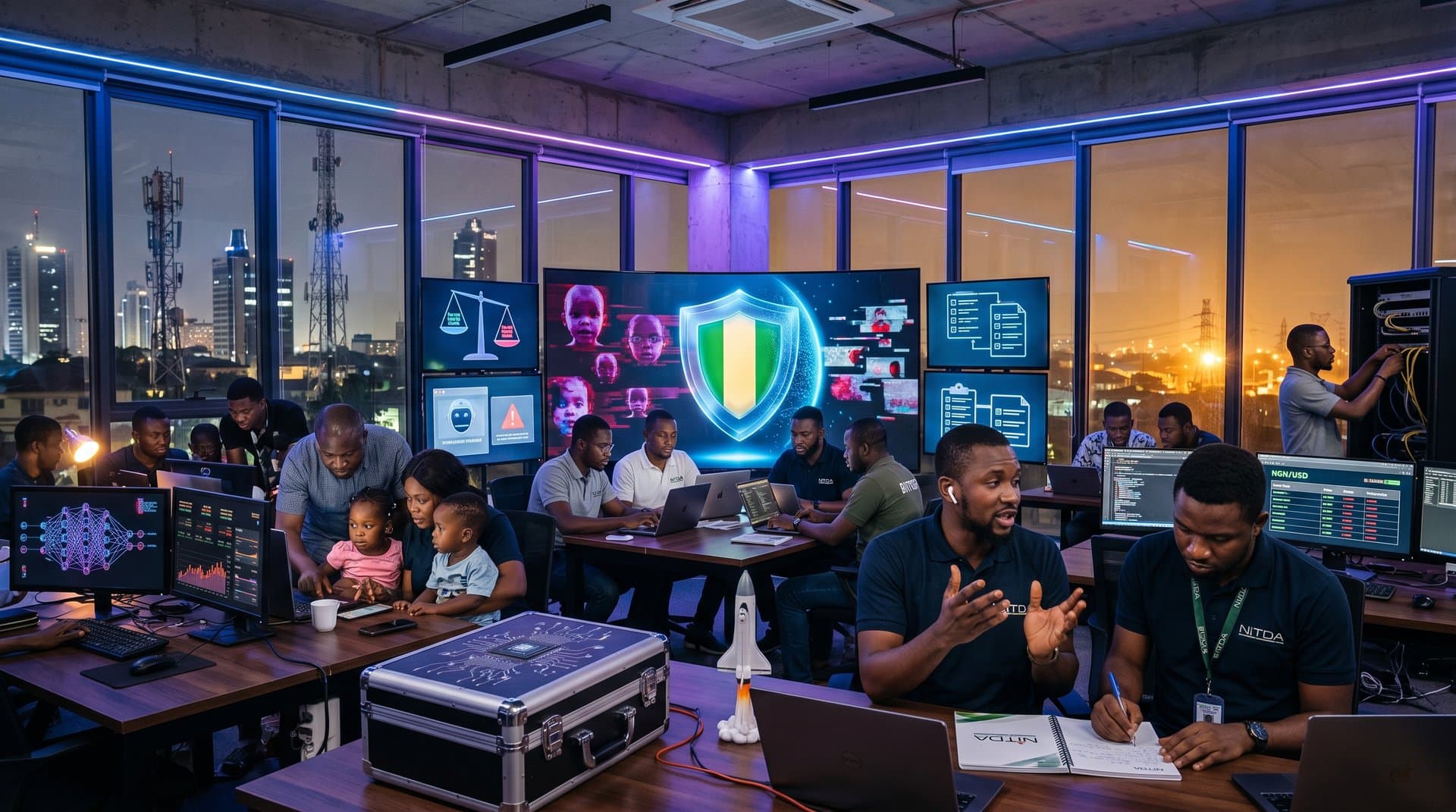
- 1. Connecticut Public Act 24-64 bans deepfakes targeting minors with 48-hour removal.
- 2. NITDA echoes $10,000 fines via bias audits for AI hiring discrimination.
- 3. CcHUB equips Lagos hubs with open-source tools for 90% AI compliance.
Connecticut AI regulations via Public Act 24-64 ban deepfakes targeting minors and impose $10,000 fines for hiring bias. Governor Ned Lamont signed it June 6, 2024. NITDA Director Dr. Kashifu Inuwa Abdullahi reviews it for Nigeria's National AI Strategy.
Lagos startups face 18-hour power outages and 45% internet penetration. Yet CcHUB applies these rules early, per Hartford Courant reporting.
Deepfake Bans Shield Nigerian Parents and Elections
Connecticut AI regulations prohibit non-consensual deepfake pornography of minors. Platforms remove content within 48 hours of reports. Fines hit $10,000 per violation, per the state press release.
Nigeria saw 200+ deepfakes in 2023 elections, per Premium Times Nigeria. CcHUB trains 500 founders yearly on ethical AI datasets. NITDA advances similar bans against social media exploits in Abuja and Kano.
Fragmented regulators like NCC slow enforcement. Lagos hubs deploy Hugging Face open-source detectors preemptively.
Bias Audits Protect Workers in Nigeria's Talent Market
Connecticut AI regulations require employers to disclose AI in hiring and run annual bias audits. Decisions demand explainability. Violations draw $10,000 USD fines.
Andela in Abuja pilots voluntary audits amid 2.5 million youth unemployment, per National Bureau of Statistics Nigeria. Power instability hampers verifications. AWS Lagos cloud tools enable NITDA mandate compliance.
Andela's 5,000 developers embed fairness checks. This strengthens TLcom Capital pitches.
High-Risk AI Assessments Challenge Lagos Fintechs
Connecticut AI regulations mandate annual impact reports on high-risk systems. Regulators scrutinize bias, privacy, safety. Non-compliance leads to public listings.
Paystack audits fraud models quarterly, dodging CBN's $10,000-equivalent penalties. Bloomberg reports U.S. AI litigation surged 300% in 2024. Flutterwave tests disclosures matching Connecticut standards.
Open-source tools lower costs for startups amid NGN 1,600/USD volatility.
NITDA Adopts Connecticut's Risk Framework for Africa
Nigeria's AI Strategy mirrors Connecticut AI regulations' high-risk focus. Lagos workshops after Courant coverage teach mitigation, led by CcHUB's Iyinab Femi-Loye.
Erratic internet biases datasets. World Bank 2024 notes 65% rural exclusion. NITDA partners Kenya's CA on pan-African standards, differing from South Africa's POPIA silos.
Future Africa's Iyinoluwa Aboyeji urges audits: "Ethics drives Series A funding."
Pan-African Lessons: Kenya and South Africa Comparisons
Kenya's Data Protection Act requires AI audits like Connecticut's, with KES 5 million fines. South Africa's PAIA demands transparency but skips deepfake details.
Rwanda's SMART Africa pilots NITDA frameworks. TechCabal notes Lagos fintechs gain investor edges via early alignment.
Startups Embed Compliance for Investor Appeal
Lagos edtech bans deepfake tutors. Jumia integrates explainable AI in gigs. CBN license alignment avoids NGN 10 million fines.
AltSchool Africa adds bias checks for 1,000 students yearly. Proactive moves draw $200 million diaspora capital as standards converge.
Preparing for NITDA Enforcement in Nigeria
Conduct NIST audits via CcHUB kits. Train on 90% accurate deepfake tools.
NITDA prioritizes hub collaborations. Connecticut AI regulations become African advantages. Compliance prepares firms for global tenders.
Frequently Asked Questions
What are Connecticut's main AI regulations?
Public Act 24-64 bans deepfakes of minors, requires bias audits in hiring AI, and mandates impact assessments for high-risk uses. Fines reach $10,000 per violation.
How do these protect workers?
Employers disclose AI in hiring and explain decisions. Bias audits curb discrimination. Andela in Nigeria tests similar voluntary measures.
What lessons for Nigerian tech hubs?
NITDA's strategy aligns with Connecticut's risk focus. CcHUB and Paystack conduct preemptive audits, attracting ethical investors.
How do regulations affect companies?
Annual impact reports check bias and privacy. Lagos fintechs like Flutterwave adopt quarterly reviews to meet CBN standards.