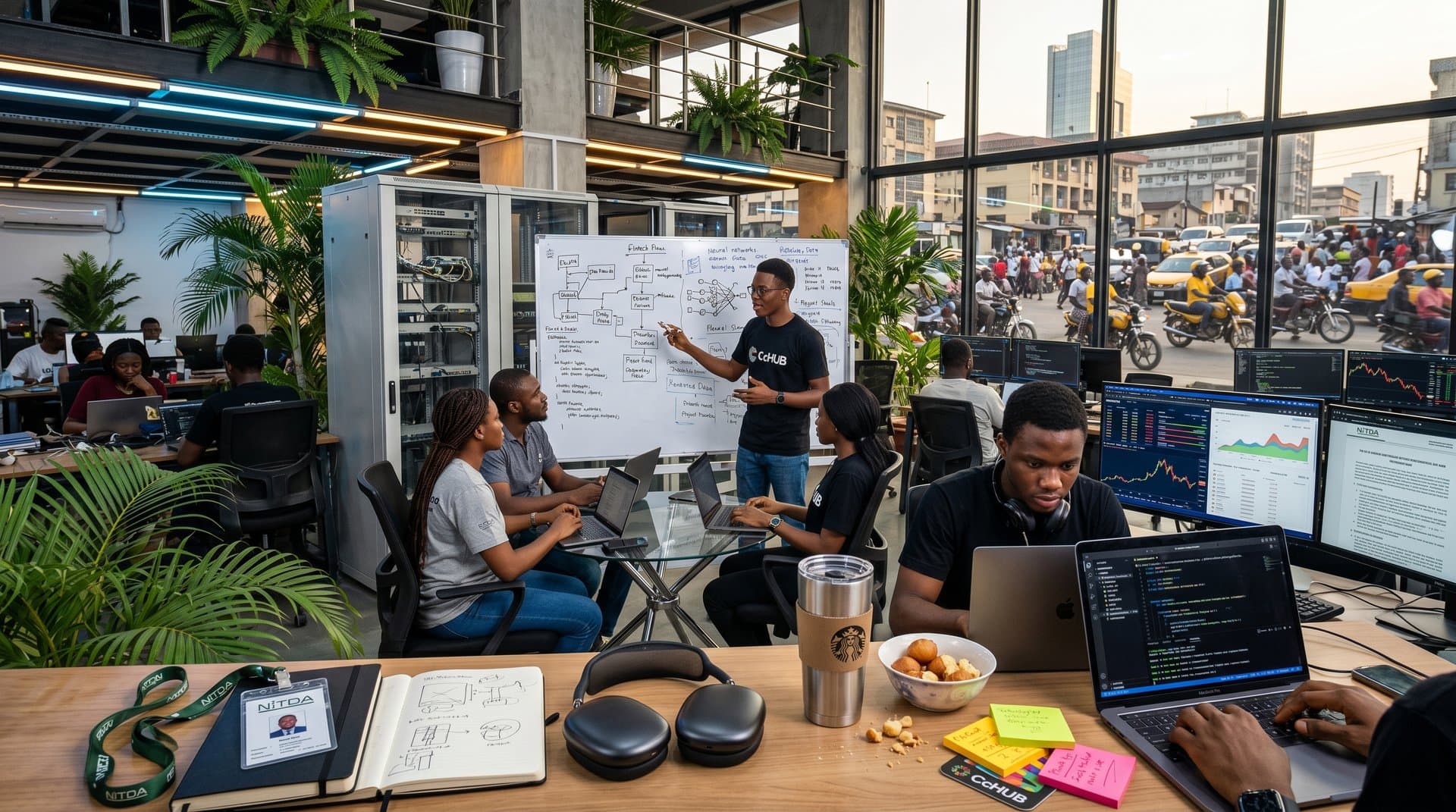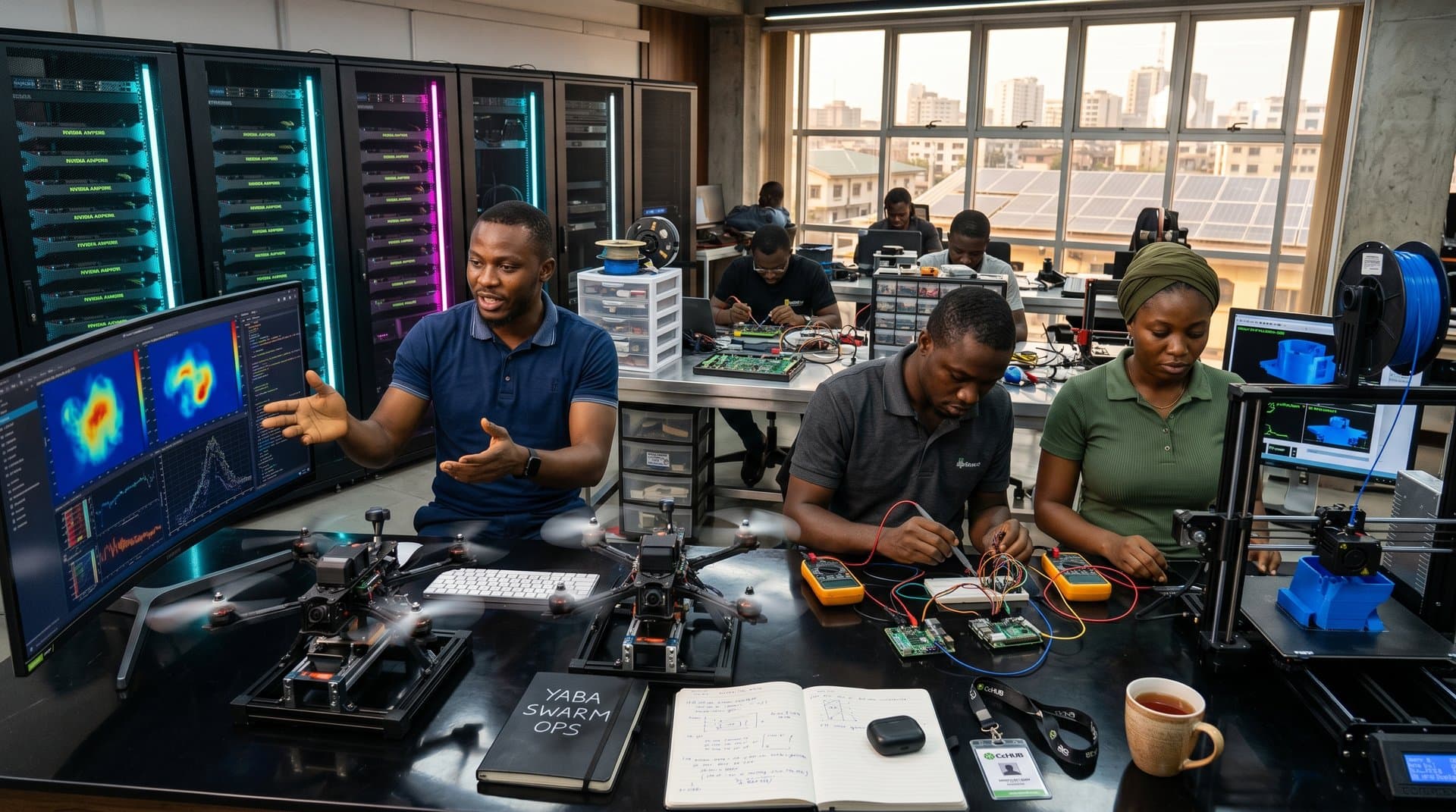
- 1. Stanford AI institute merger unites 100+ faculty from HAI and SAIL.
- 2. AI Index 2024 reports 20% growth in Africa's AI talent pool.
- 3. NITDA targets 100,000 developers using Stanford's open resources.
Stanford University merged its Human-Centered AI (HAI) institute and Stanford AI Laboratory (SAIL) on April 22, 2024. The move unites over 100 faculty to develop agentic AI systems for low-resource settings. Nigerian developers access new open-source tools via NITDA partnerships in Lagos and Abuja (32 words).
Stanford launches new AI research group, reported TechCrunch journalist Kyle Wiggers on April 22. The merger breaks silos for multimodal models suited to Nigeria's power outages and Kenya's bandwidth limits.
Why Stanford Pursued the AI Institute Merger
Stanford President Jonathan Levin called fragmented research the main driver, per the Stanford HAI news updates. HAI's human focus pairs with SAIL's algorithms. Nigeria's Andela, with 5,000 engineers, adopts unified GitHub toolkits despite 40% rural internet downtime (NCC 2024 data).
The AI Index Report 2024, led by Yoav Shoham, shows Africa's AI talent grew 20% from 2022-2023. Nigeria topped with 15% more AI publications (Google Scholar data). This grounds the merger's global impact in African realities.
Kenya's Apollo Agriculture tests crop-yield models under these tools. Startups navigate CBN regulations in Nigeria and CBK rules in Kenya.
## AI Education Gains in Nigeria and Beyond
The merger scales online platforms to 50,000+ African students yearly. Nigeria saw 25% enrollment jump in Stanford AI courses in 2024 (Coursera data from AI Index).
Lagos' AltSchool Africa tailors edge AI for 4G zones. NITDA's National AI Strategy, under Director General Kashifu Inuwa Abdullahi, rolls it out in 10 hubs. The agency targets 100,000 developers by 2025.
Rwanda's kLab and Egypt's AUC adapt releases despite varying data laws—Nigeria's NDPR, Kenya's Data Protection Act, Egypt's SCA rules.
## Nigerian Researchers Benefit from Merger
Stanford offers virtual fellowships to Nigerian talent. Andela alumni co-authored three NeurIPS 2023 ethical AI papers (Stanford report citation).
Researchers deploy pre-trained models for fintech fraud detection at CBN-licensed banks like Flutterwave. Nigeria's 85% mobile penetration (NCC Q1 2024) supports real-time AI amid NGN volatility.
NITDA's AI guidelines match Stanford's, protecting $500M USD agritech data flows yearly (NITDA estimates).
## Startup Impacts Across Pan-Africa
Unified Stanford benchmarks aid founders. Nigerian VCs at EchoVC used them in $200M USD deals last year (EchoVC disclosures).
CcHUB summits in Lagos demo low-power tools with Kenya's iHub solar backups and South Africa's 22 On Sloane hubs. Egypt's Fawry scales under FRA licenses.
20 University of Lagos diaspora at Stanford mentor via Discord. This supports Nigeria's 60% broadband goal by 2025 (NCC plan).
## Nigeria's NITDA Response and Future Steps
NITDA seeks MoUs for training, per Abdullahi's April 2024 keynote. Developers track 50+ GitHub releases quarterly.
Lagos tests EdTech agents in 100 schools despite 18-hour power averages (NERC 2024). TLcom VCs validate pitches with Stanford data for scale in Nigeria, Kenya, South Africa, Senegal.
The merger positions Africa for agentic AI leadership. NITDA projects 30% talent growth by 2026, tying Stanford tools to local infrastructure fixes.
Frequently Asked Questions
Why is Stanford restructuring for AI’s next era?
Stanford merges HAI with SAIL to focus on agentic AI. This unites 100+ faculty for deployable systems beyond silos.
How does Stanford AI institute merger boost African tech education?
Merger expands open courses via Stanford Online. NITDA and hubs like CcHUB adapt for Nigeria and pan-Africa.
What does Stanford AI institute merger mean for Nigerian researchers?
Provides pre-trained models for fintech, agritech. GitHub collaborations enable work despite infrastructure challenges.
What is the next era of AI from Stanford's perspective?
Scalable agents and multimodal systems for real-world use. Africa gains low-resource adaptations.