- 1. Nigeria grid delivers under 5,000 MW to 200 million people (World Bank, 2023).
- 2. Quantization techniques slash AI energy use by 4x (Google Research, 2023).
- 3. Sparse models deliver 10x efficiency gains for local startups (Stanford AI Index, 2024).
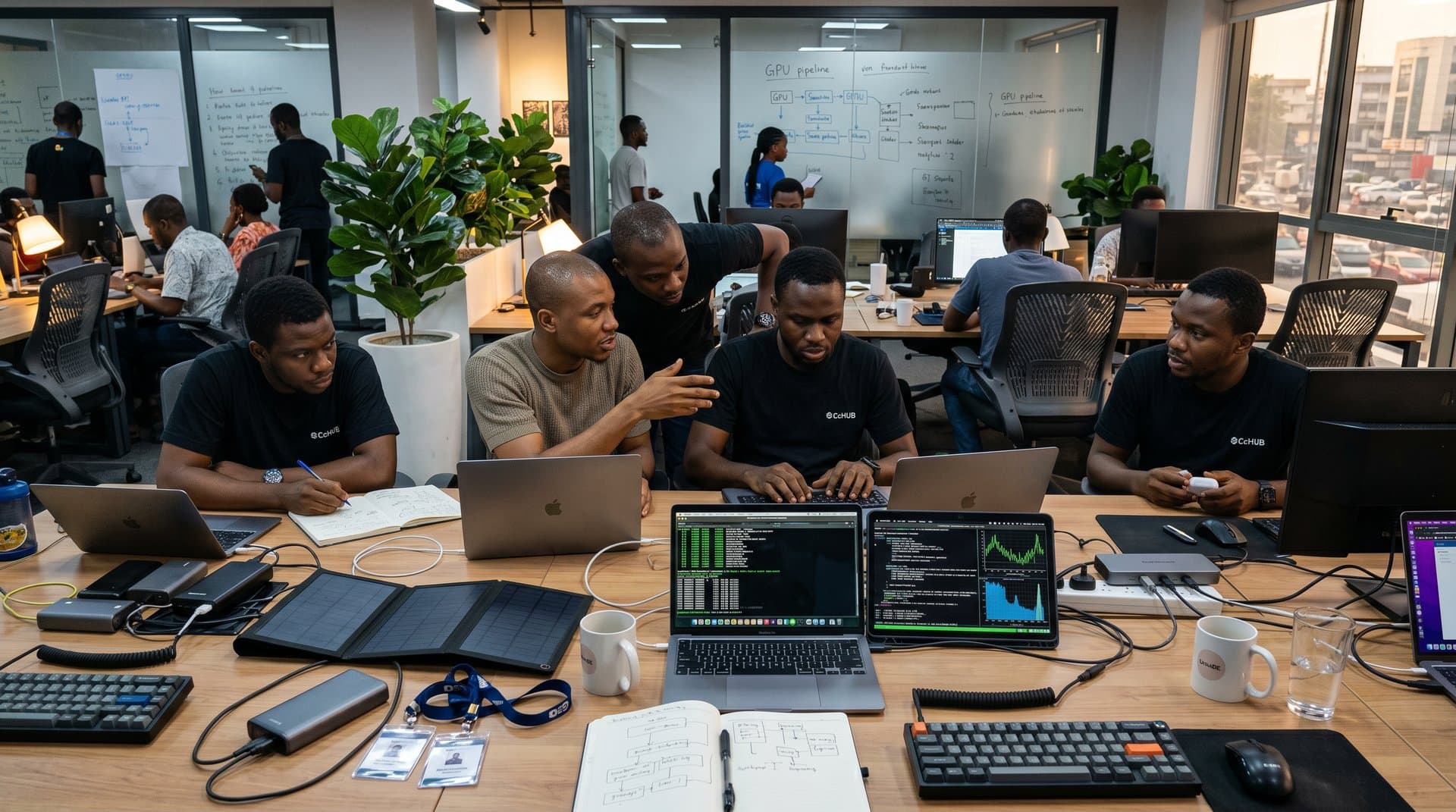
Nigerian AI startups drive Africa AI energy innovation. They coin "bragawatts"—efficient power metrics from The New York Times (Dec 3, 2024)—to fight blackouts. Lagos founders deploy solar backups and edge computing. NITDA Director Kashifu Inuwa backs digital goals amid grid failures (NITDA Annual Report 2024).
Nigeria's grid supplies under 5,000 MW to 200 million people (World Bank, 2023). Global players like Microsoft target 5 GW data centers by 2030 (IEA Electricity 2024 report). CcHUB innovators prioritize low-power chips and renewables.
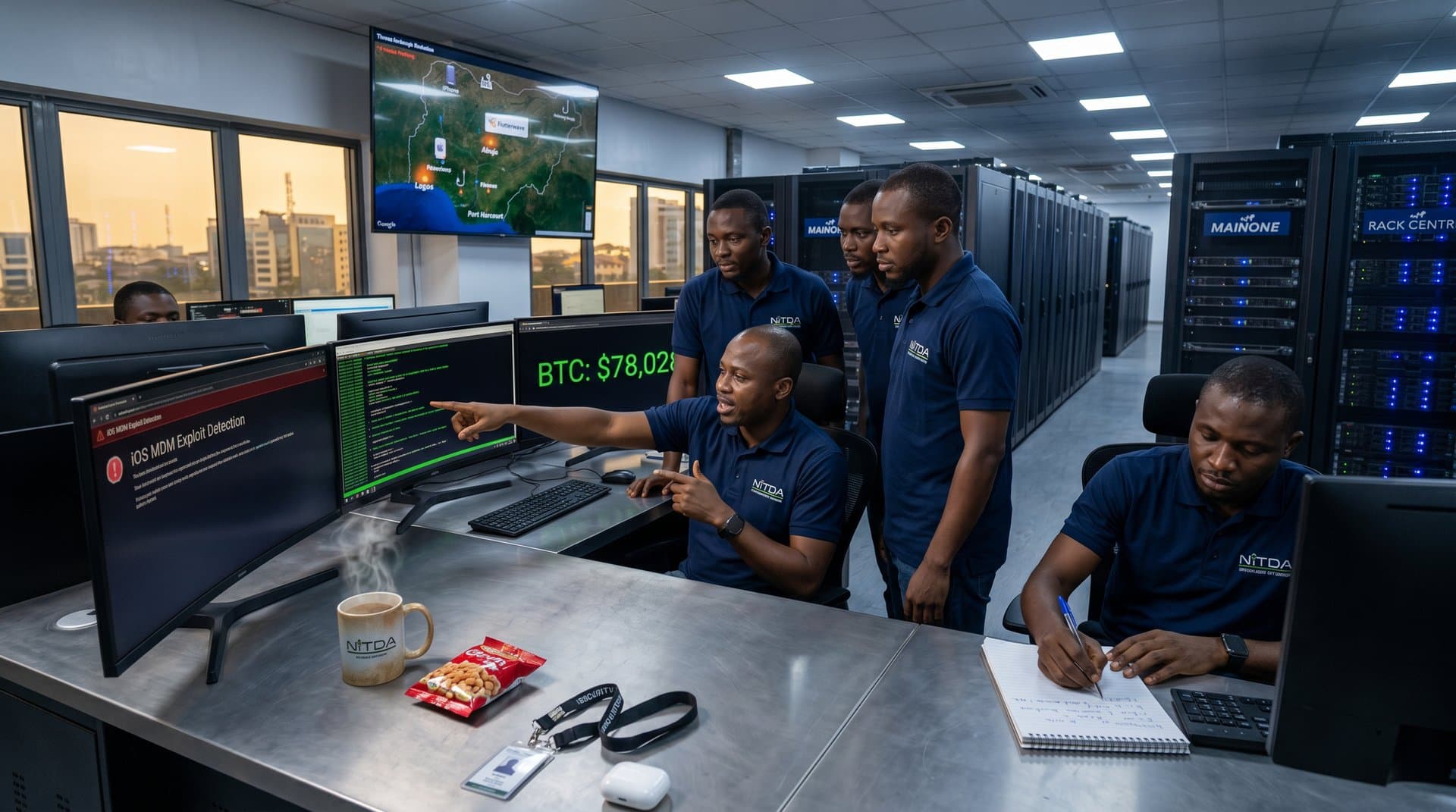
Bitcoin miners provide blueprints. BTC trades at $78,043 (CoinMarketCap, Dec 2024). They built off-grid systems early.
Bragawatts Reshape Nigeria's AI Power Metrics
Bragawatts satirize hyperscaler boasts of gigawatts. Nigerian teams track kilowatt-hours per inference.
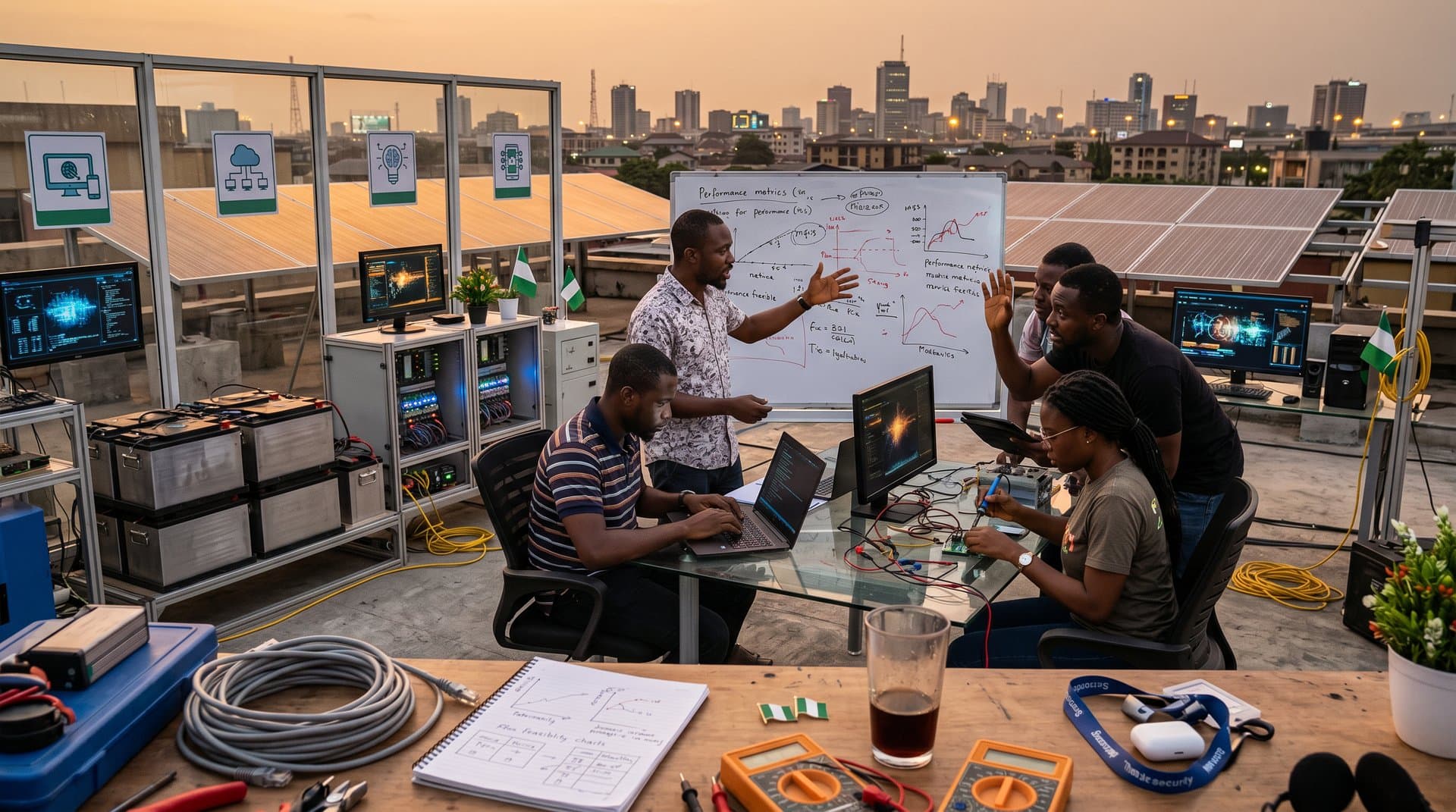
Lagos developers run models on solar-powered Raspberry Pi clusters. These outperform global averages. NITDA's green data center guidelines (2024) ensure compliance in Nigeria.
Edge AI operates on devices. Farmers use it in agritech apps despite spotty internet, boosting yields 20% (CcHUB case study, 2024).
Nigeria Blackouts Forge Resilient AI Strategies
Nigeria generates 4,000-5,000 MW nationally (World Bank, 2023). AI requires steady power the grid lacks. Startups build microgrids and diesel-solar hybrids.
Abuja engineers share MTN generators. Quantization cuts model energy by 4x (Google Research, 2023). Paystack runs AI fraud detection on local servers.
Healthtech deploys low-power IoT sensors. These monitor patients remotely, reducing costs 30% (NITDA Healthtech Report, 2024).
Global Gigawatt Race Tests Nigerian AI Ecosystems
Microsoft plans 5 GW U.S. centers by 2030 (IEA, 2024). Nigeria attracts hyperscalers via tax incentives. Locals fear grid overload.
Federated learning spreads training across devices. It reduces power and bandwidth needs. NITDA enforces data localization (2024 policy).
Blockchain nodes inspire decentralized AI. XRP trades at $1.43 (CoinMarketCap, Dec 2024), proving lean designs work.
Tactics Power Lagos and Northern AI Hubs
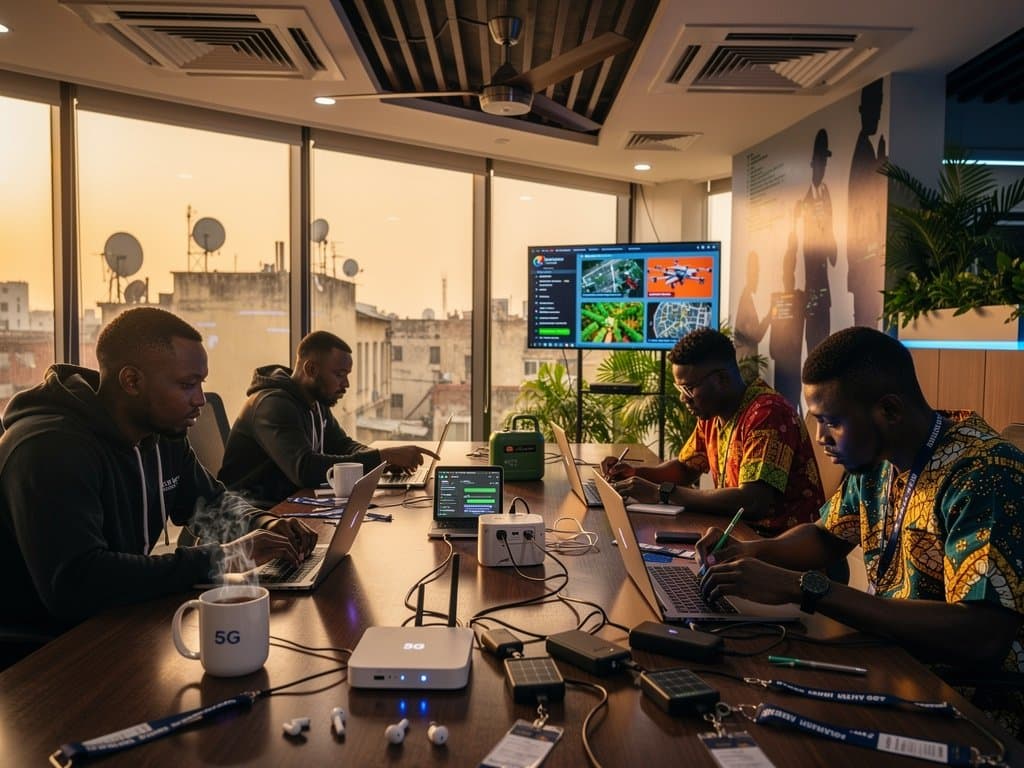
Northern solar farms energize edge nodes. Andela alumni deploy containerized data centers with batteries. BNB hits $631.71 (CoinMarketCap).
Lagos humidity challenges cooling. Crypto-style liquid immersion solves it. CcHUB tests AI-renewable integrations (CcHUB Innovation Report, 2024).
Government tax breaks drive solar adoption. Investments reach NGN 50 billion in 2024 (NITDA data).
Pan-African Lessons from Nigeria's AI Energy Play
Kenya's stable grid supports M-Pesa AI. Nigeria's constraints birth bragawatts. South Africa's Eskom issues mirror Nigeria's.
Rwanda advances green data policies. Pan-African clouds pool resources. Senegal's Sonatel invests in edge AI. Egypt's telecoms fund solar for startups.
Nigeria leads necessity-driven Africa AI energy innovation.
Africa AI Energy Innovation Outlook
Nigeria courts hyperscalers for knowledge transfer. Sparse models yield 10x efficiency (Stanford AI Index, 2024). AltSchool Africa builds talent.
World Bank funds grid upgrades (2025 plan). NITDA balances hyperscalers with local bragawatts. Nigerian startups set pan-African benchmarks.
Frequently Asked Questions
What drives Africa AI energy innovation in Nigeria?
Bragawatts measure efficient power use amid blackouts. Startups deploy solar and edge AI, per NITDA guidelines, contrasting global gigawatts.
How do blackouts shape Nigerian AI startups?
Outages force microgrids, generators, and quantization. Edge computing sustains agritech and fintech like Paystack.
What strategies define Nigeria's AI energy resilience?
Federated learning, solar farms, and liquid cooling cut needs. CcHUB and Andela hubs pioneer these.
How does crypto inform Africa AI energy innovation?
Off-grid mining tactics inspire AI. BTC at $78K highlights shared compute challenges and solutions.