- 1. Google mandates $25 USD fee for Android developers.
- 2. September 2026 update blocks 3 billion unregistered apps.
- 3. F-Droid's open-source ecosystem faces existential threats.
Google's Android ownership shifts require a one-time $25 USD developer registration fee. The policy blocks unregistered apps on 3 billion devices starting September 2026. Google announced the change on August 15, 2025. Developers previously sidestepped Play Store's 30% cut via free sideloading. Now, Naira devaluation raises costs for Nigerian coders building fintech and agritech tools.
F-Droid warns of threats to 4,000 free open-source apps, per its blog post on policy impacts. The Electronic Frontier Foundation (EFF) labels it censorship-enabling. Cory Doctorow terms it "Darth Android" in his Pluralistic newsletter dated September 2, 2025. Ars Technica detailed the shift on August 20, 2025.
Google Developer Fee Burdens Nigerian Developers
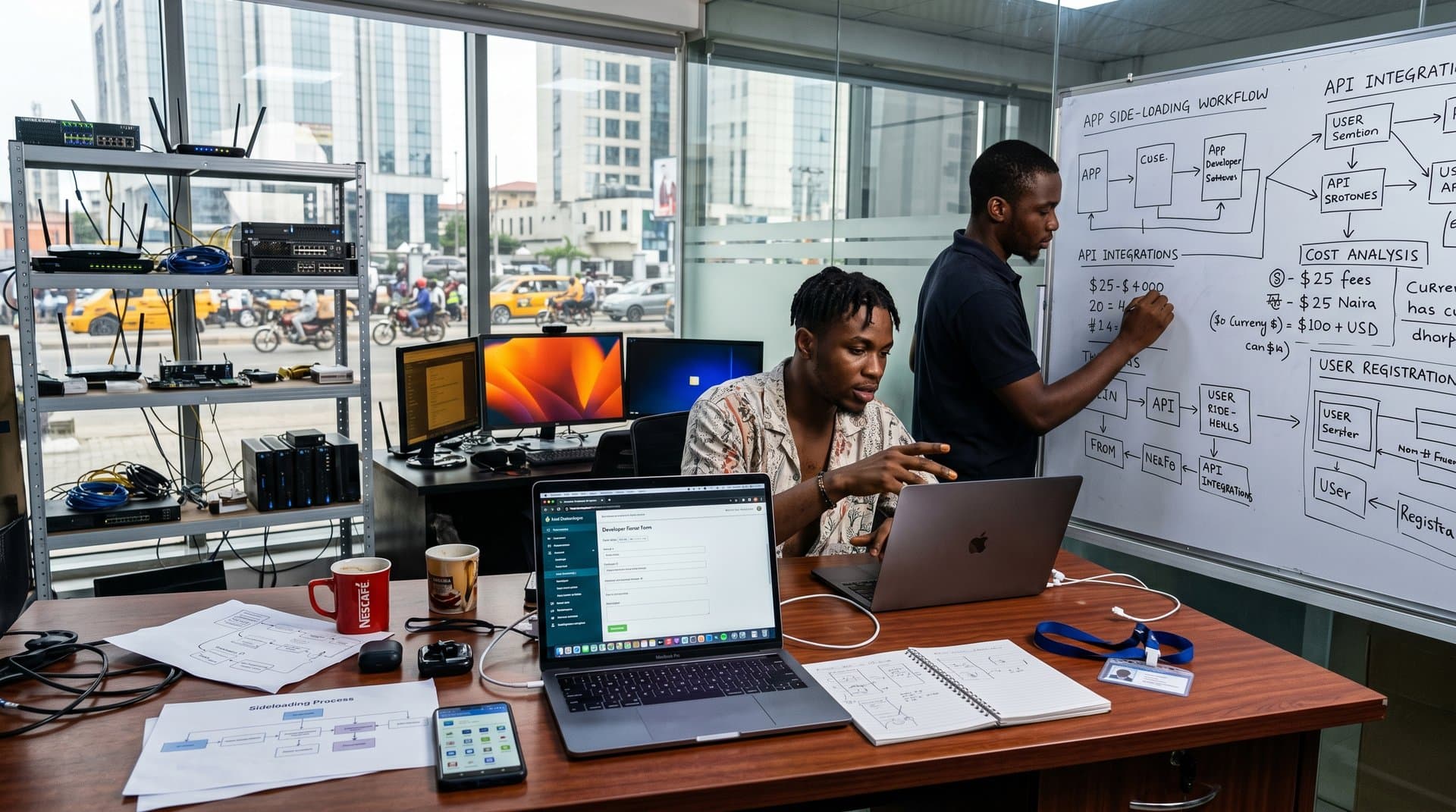
Nigerian developers pay $25 USD, or ₦41,000 at Central Bank of Nigeria (CBN) rate of 1,640 NGN/USD on October 15, 2025. Bootstrapped Lagos teams view this as one week's wages for juniors earning ₦30,000 monthly. Registration requires passport verification and tax ID submission. Agritech startups delay IoT sensor apps for tomato farmers in Kano due to these hurdles.
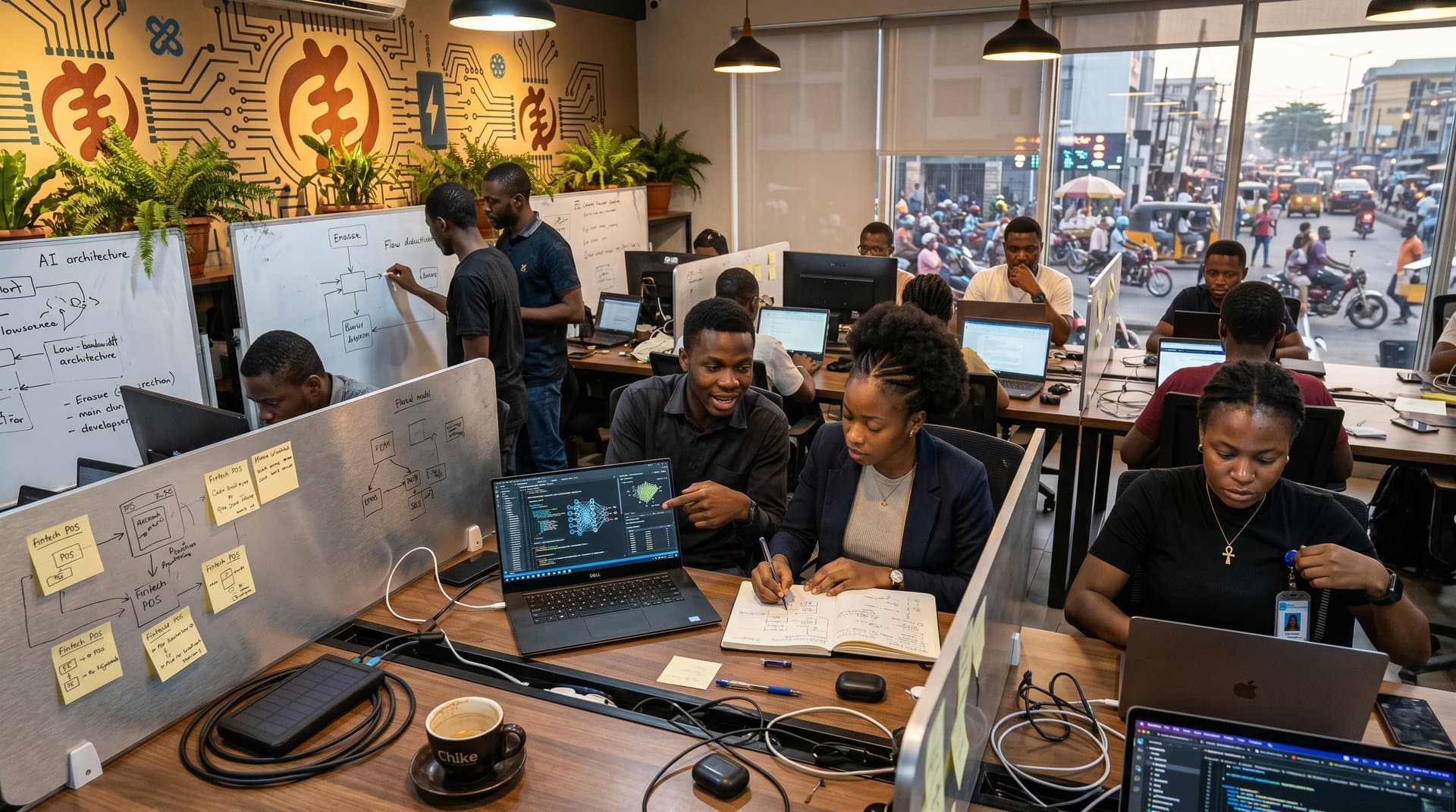
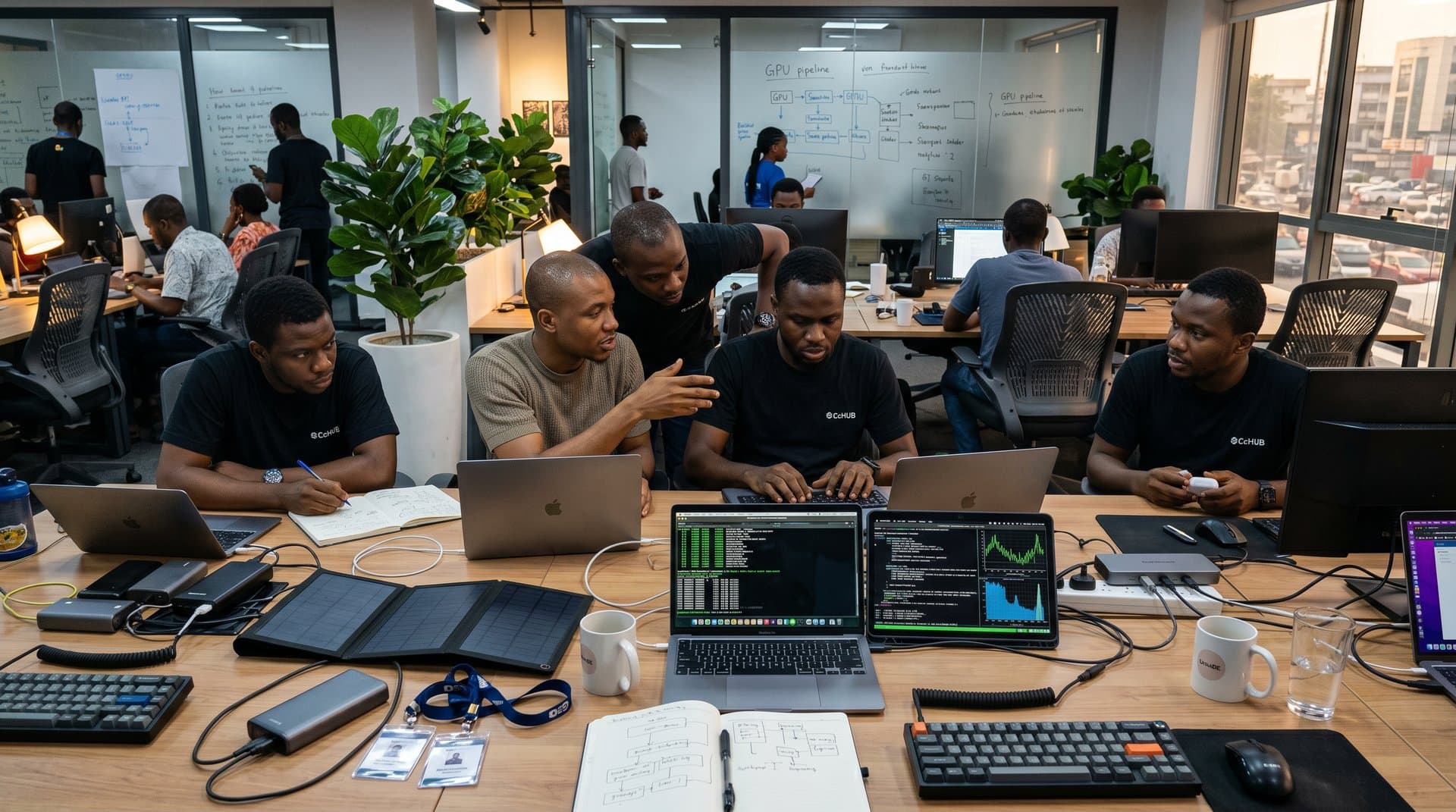
Paystack, holding CBN Payment Service Provider license, relies on sideloaded wallets to avoid Play Store fees. Post-2026, unregistered versions vanish from devices. NITDA's 2024 Digital Nigeria report advocates open innovation, directly conflicting with app blocks. CcHUB teams in Yaba navigate 12-hour daily power outages, per Nigerian Electricity Regulatory Commission (NERC) Q3 2025 data.
Keep Android Open documents retroactive device restrictions. Andela's Nigeria alumni report disrupted freelance pipelines serving US clients.
F-Droid Blocks Challenge Nigeria's Developer Ecosystem
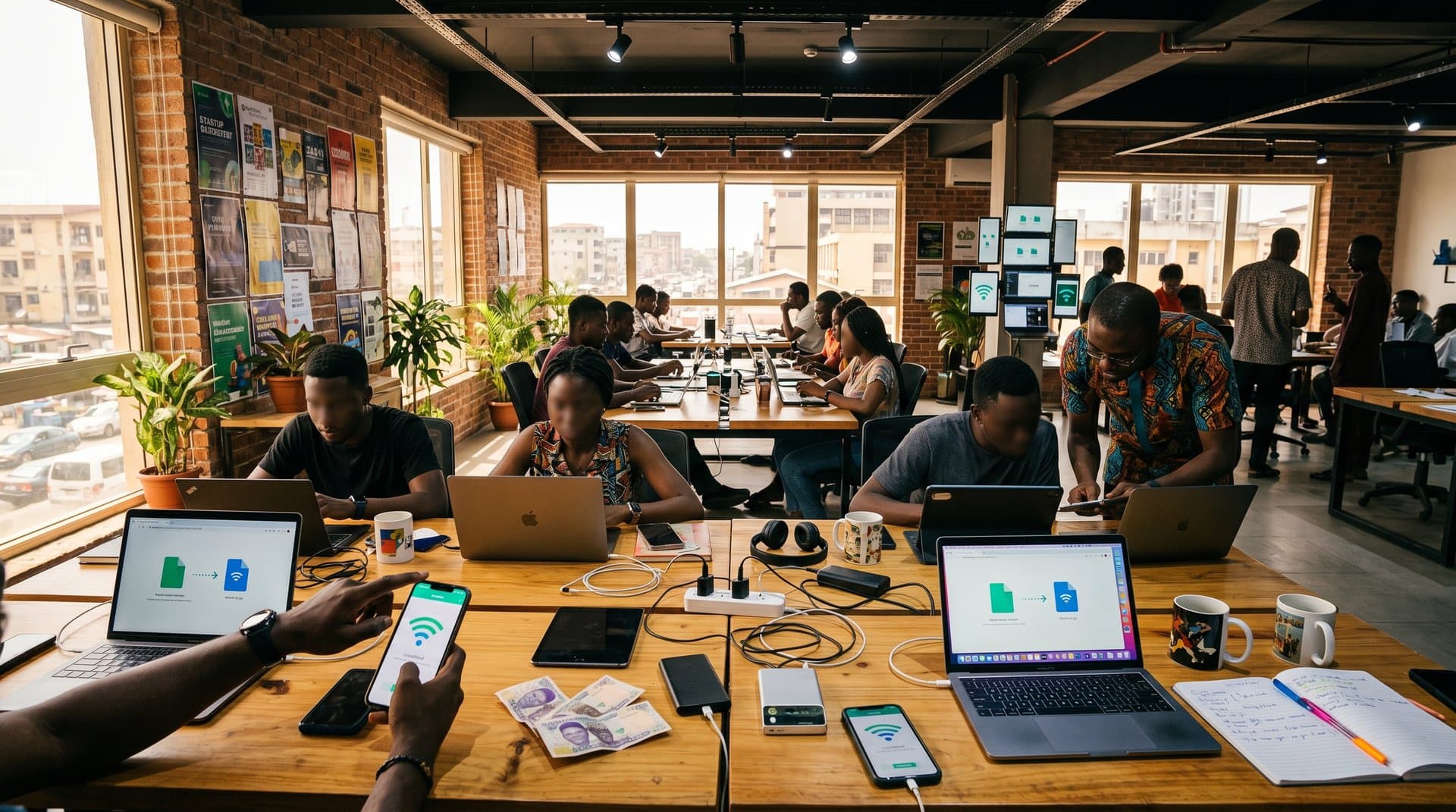
Users activate Developer Options by tapping build number seven times in Settings. Sideloading triggers a 24-hour device cooldown. A seven-day temporary allow list adds steps. Rural Nigeria, with 45% internet penetration per NITDA's 2025 Digital Economy Diagnostic, faces acute friction.
F-Droid hosts privacy-focused apps like blockchain wallets for remittances. Nigerian fintechs prototype here before securing CBN sandbox approval. NITDA's Nigeria Data Protection Regulation (NDPR) 2023 emphasizes openness, but blocks risk compliance gaps. EFF urges global exemptions for emerging markets.
Android commands 89.7% market share in Nigeria, per Statista's Q3 2025 Mobile OS Report. Kenya's CBK-licensed M-Pesa apps face similar sideloading reliance.
Android Ownership Shifts Challenge Nigerian Fintech
Flutterwave, CBN-licensed for remittances, leveraged Android openness for agent networks. New rules echo iOS restrictions, hitting emerging markets hardest. NITDA's 2023 Data Sovereignty Guidelines prioritize local control, yet centralized blocks expose data risks.
Developers pivot to Progressive Web Apps (PWAs) or Ubuntu Touch. Lagos Tech Meetup groups on October 10, 2025, trained 200 on fee registration. Huawei grows HarmonyOS share to 15% in Nigeria, per Counterpoint Research Q2 2025 report. South Africa's Icasa regulators watch for precedents.
EU's MiCA crypto rules effective January 1, 2026, spur similar adaptations. Nigeria's iDEA Hub hosts free workshops in Abuja and Enugu.
Egypt's fintechs under FRA licensing test F-Droid alternatives amid 70% Android dominance, per GSMA 2025 data.
Adaptation Tactics for Android Ownership Shifts
Register at developer.android.com. Mirror F-Droid on AWS Nigeria regions for low-latency access. NITDA engages Google via September 2025 letters seeking Africa-specific exemptions.
Track uptake via Google Play Console stats. Open-source forks like LineageOS gain traction. Rwanda's soft-power hubs explore GrapheneOS. Adaptation builds resilience against currency swings and grid failures.
Nigerian developers lead with resourcefulness, turning policy friction into innovation edges.
Frequently Asked Questions
What is Google's Android developer registration policy?
Google requires a $25 USD fee and identity verification since August 2025. Unregistered apps face blocks in September 2026 update, affecting billions of devices.
How do Android ownership shifts impact African developers?
Nigerian coders face $25 USD fees amid Naira volatility. Sideloading for fintech and agritech tools becomes harder. F-Droid apps risk inaccessibility.
What are the sideloading steps under new Android policy?
Tap build number seven times for Developer Mode. Wait 24 hours post-sideloading. Use seven-day temporary allow list. Nine steps total deter low-connectivity users.
Why does EFF criticize Android ownership shifts?
EFF sees identity checks as censorship enablers, not security boosts. It threatens F-Droid open-source apps and user freedom.