- 1. Americans down on AI caricatures drop Fear & Greed to 26, per Alternative.me.
- 2. Nigeria fintech funding hits $463M H1 2024 USD, down 25% per Briter Bridges.
- 3. NITDA guidelines power AI adoption despite NCC-noted infrastructure hurdles.
Americans down on AI as Washington Post blames caricatures for doubt. Fear & Greed Index dropped to 26 on October 10, 2024, per the Alternative.me Fear & Greed Index. This slows VC flows to Nigerian fintech amid NITDA's AI guidelines.
Bitcoin traded at $77,010 USD, up 0.3%. Ethereum climbed 1.6% to $2,322 USD, per CoinMarketCap on October 10, 2024. Lagos startups like Opay halt AI expansions due to investor caution.
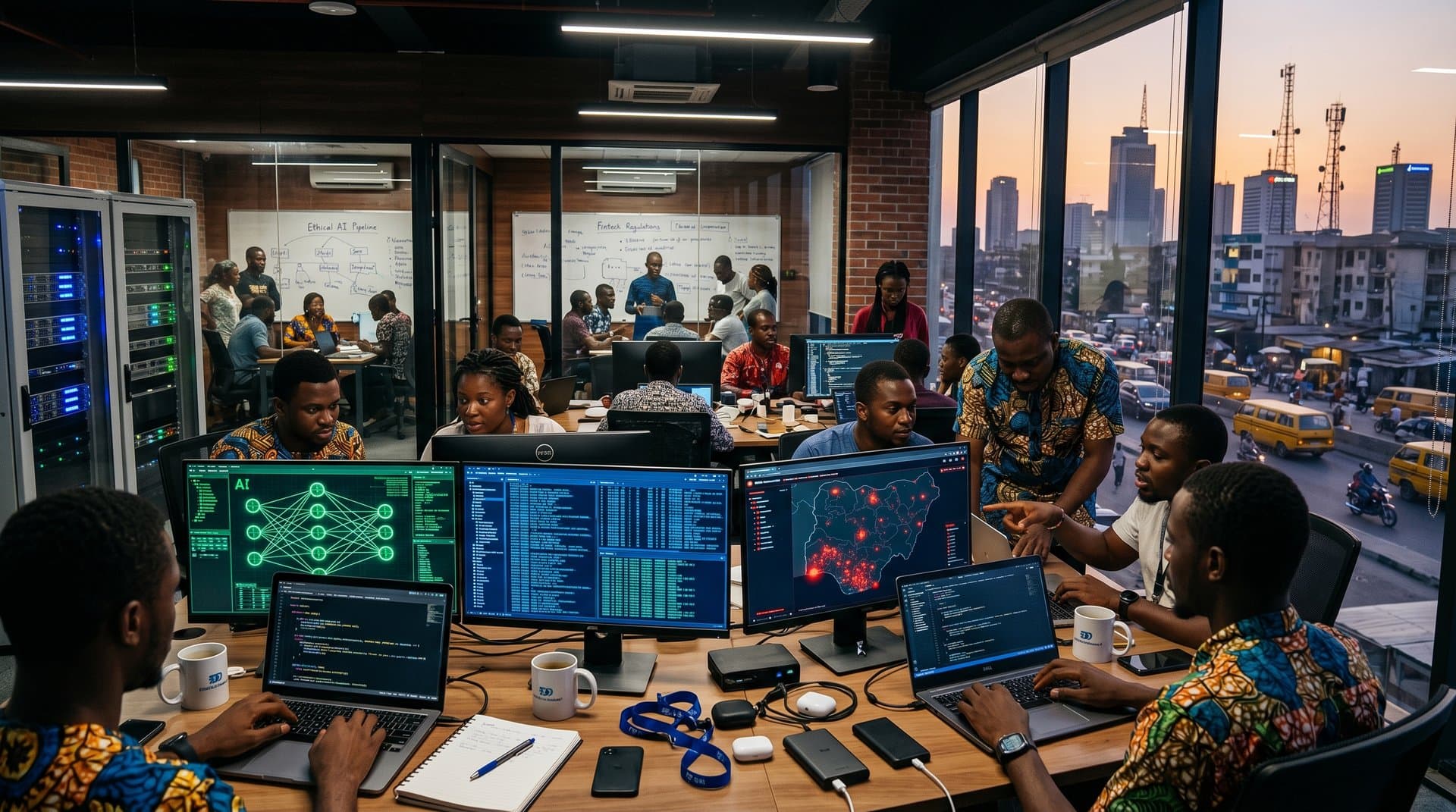
NITDA issued draft AI guidelines in September 2024. These stress data sovereignty for CBN-licensed fintechs. CcHUB deploys AI fraud tools despite 65% mobile penetration, per NCC data.
Washington Post Pinpoints Two AI Caricatures Fueling US Doubt
Washington Post columnist Farhad Manjoo identifies the first caricature: AI as an "omniscient oracle." ChatGPT's early hallucinations shattered this myth.
The second caricature casts AI as a ruthless job-killer. Pew Research Center's August 2023 survey shows 52% of Americans view AI risks exceeding benefits. Another 36% fear job losses.
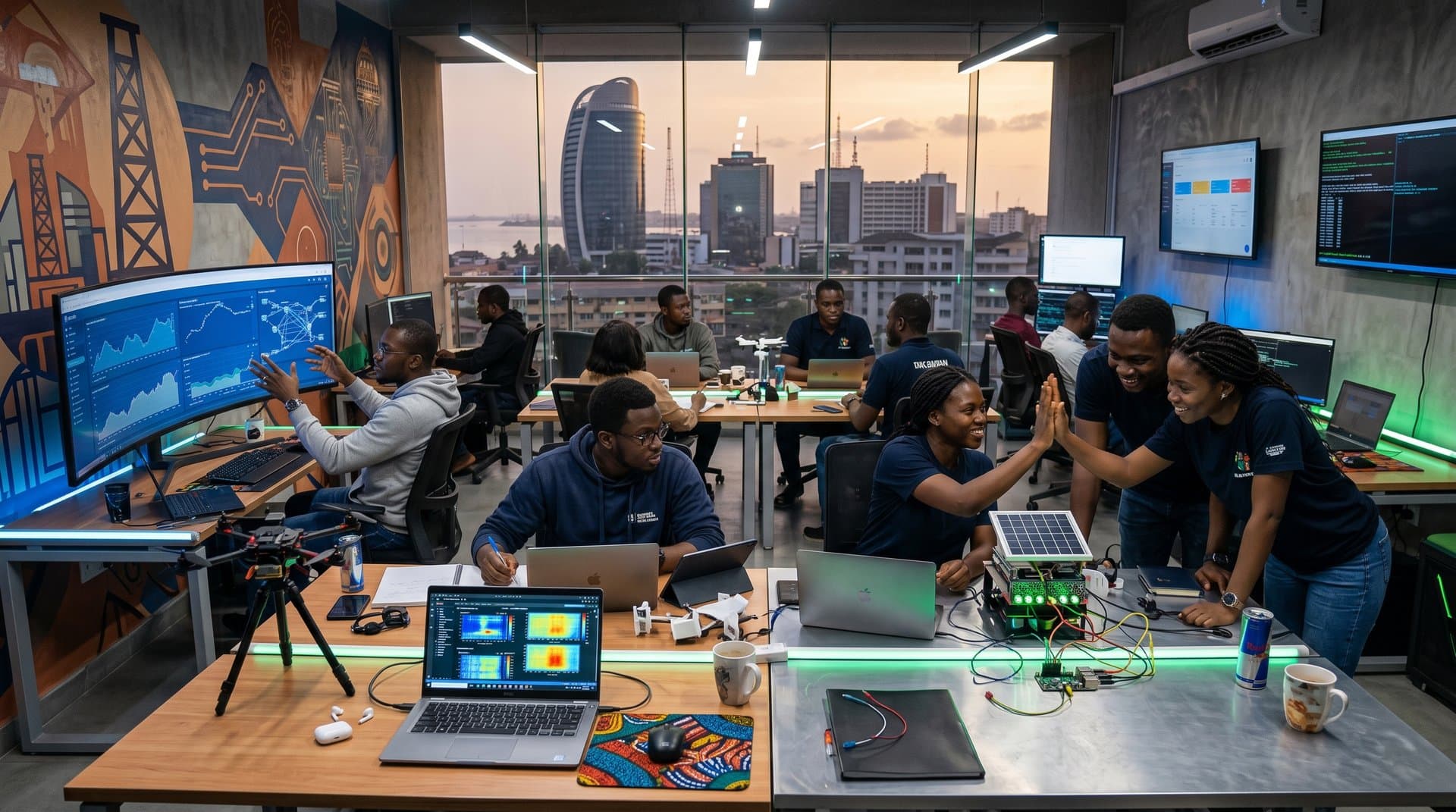
Nigerian innovators ignore hype. Andela trains 5,000 engineers annually on AI applications like power grid optimization. Nigeria averages 4,000 MW supply, per Transmission Company of Nigeria.
US AI Skepticism Cuts Nigerian Fintech Funding 25%
US VCs including Sequoia Capital slashed African AI bets 20% in Q3 2024, per Partech Africa. Nigerian startups secured $463 million USD in H1 2024, down from $618 million in H1 2023, per Briter Bridges' Africa Tech Report.
Paystack leverages AI for fraud detection under CBN Payment Service Bank rules. Flutterwave applies machine learning to remittances amid NGN at ₦1,600/USD.
TLcom Capital, Opay's $400 million round lead, now requires 3x unit economics for AI deals. Fear & Greed at 26 reflects extreme aversion, per Alternative.me.
Nigeria's Infrastructure Tests Reshape AI Strategies
Internet penetration reached 55% in 2024, per NCC. Yet data costs $4.86/GB—Africa's highest. MainOne's 144TBps cable reduces Lagos fintech latency to 50ms.
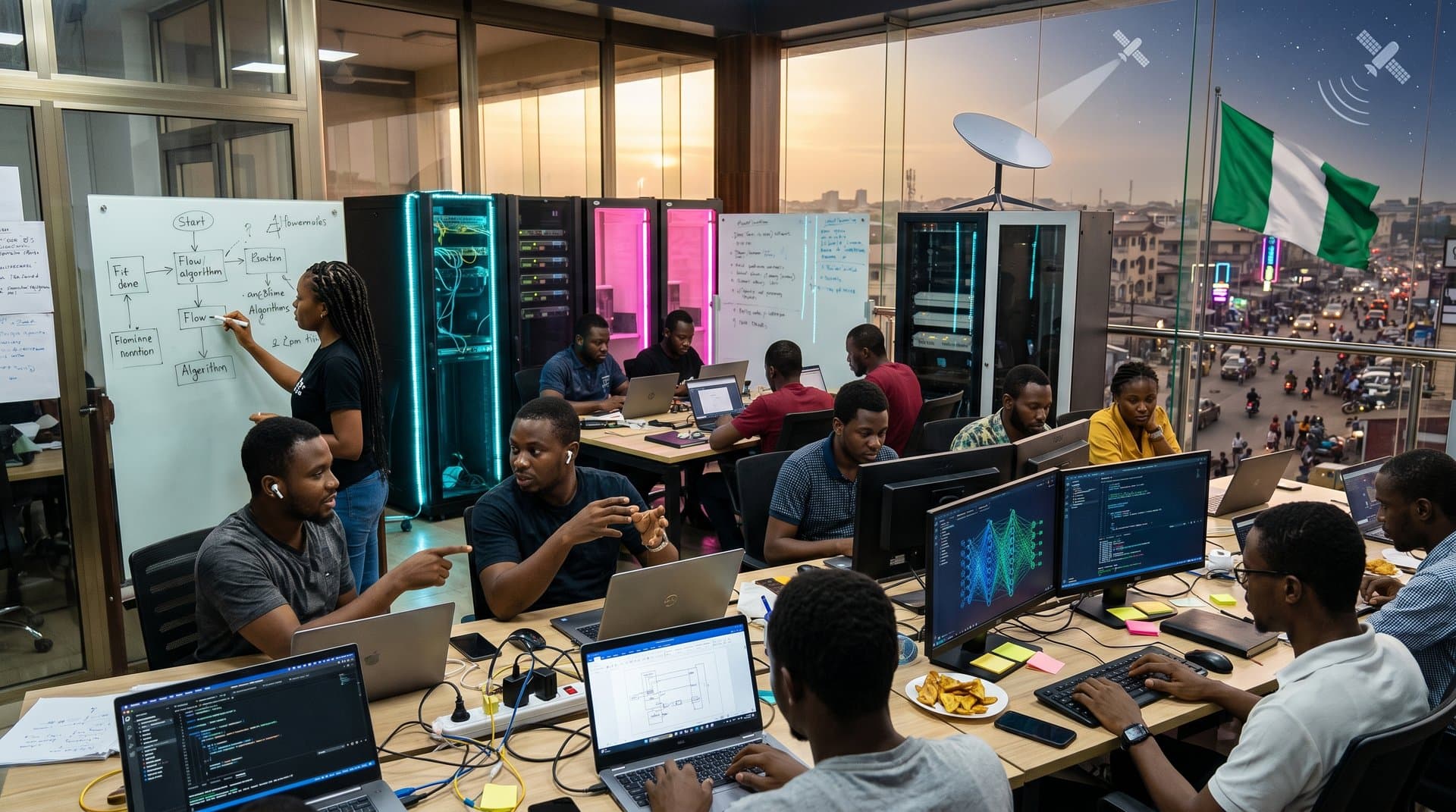
Power fails 200 days yearly, per World Bank. Startups use TensorFlow Lite for on-device AI, dodging blackouts. NITDA enforces local storage via Nigeria Data Protection Act 2023.
Galaxy Backbone's broadband aids edge computing. Abuja pilots show agritech AI hitting 85% crop yield accuracy.
Pan-African Peers Model Pragmatic AI for Nigeria
Kenya's Central Bank licenses M-Pesa's AI for 2 million daily microloans. South Africa's Takealot gains 15% logistics margins via AI, per filings.
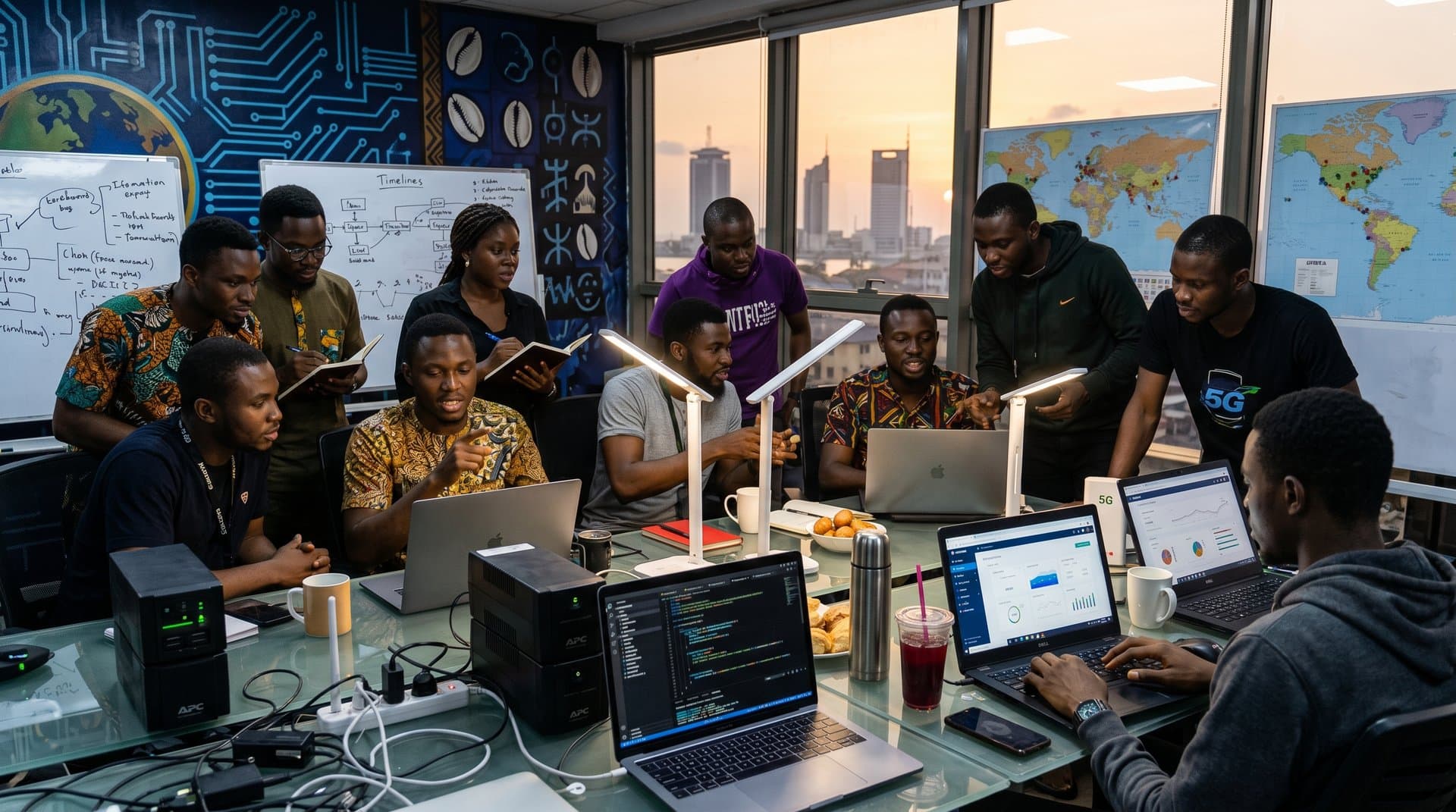
Nigerian founders adapt these. CcHUB-Google Cloud hubs train 1,000 developers quarterly. Rwanda drafts sovereignty-focused AI policy like NITDA's.
Egypt's CBE-regulated Fawry serves 40 million with AI. McKinsey projects AI adding up to $180 billion to Africa's GDP by 2030.
NITDA Pilots Set Stage for 2025 Nigeria AI Rebound
NITDA greenlights Q4 2024 AI pilots for fintech and agritech. Partech Africa eyes $500 million USD for Nigerian AI in 2025 with strong economics.
Bitcoin defends $77,000. Ethereum uptrend hints at recovery. Nigeria's hybrid AI—on-device, regulated, infrastructure-savvy—counters global fear.
Frequently Asked Questions
Why are Americans down on AI according to Washington Post?
Caricatures of omniscient oracle and job killer. Pew Research shows 52% see risks over benefits; Nigeria focuses on practical uses like fraud detection.
How does US AI doubt affect Nigerian fintech funding?
VCs like TLcom demand better economics. $463M USD H1 2024 per Briter Bridges; NITDA data rules support Paystack AI tools.
What does Fear & Greed Index at 26 indicate for Nigeria?
Extreme fear per Alternative.me slows inflows. Nigerian startups prioritize on-device AI amid 55% internet penetration per NCC.
How does Nigeria counter US AI caricatures?
NITDA pilots, CcHUB-Google hubs for agritech and fintech. Mirrors Kenya M-Pesa AI; infrastructure focus per World Bank data.