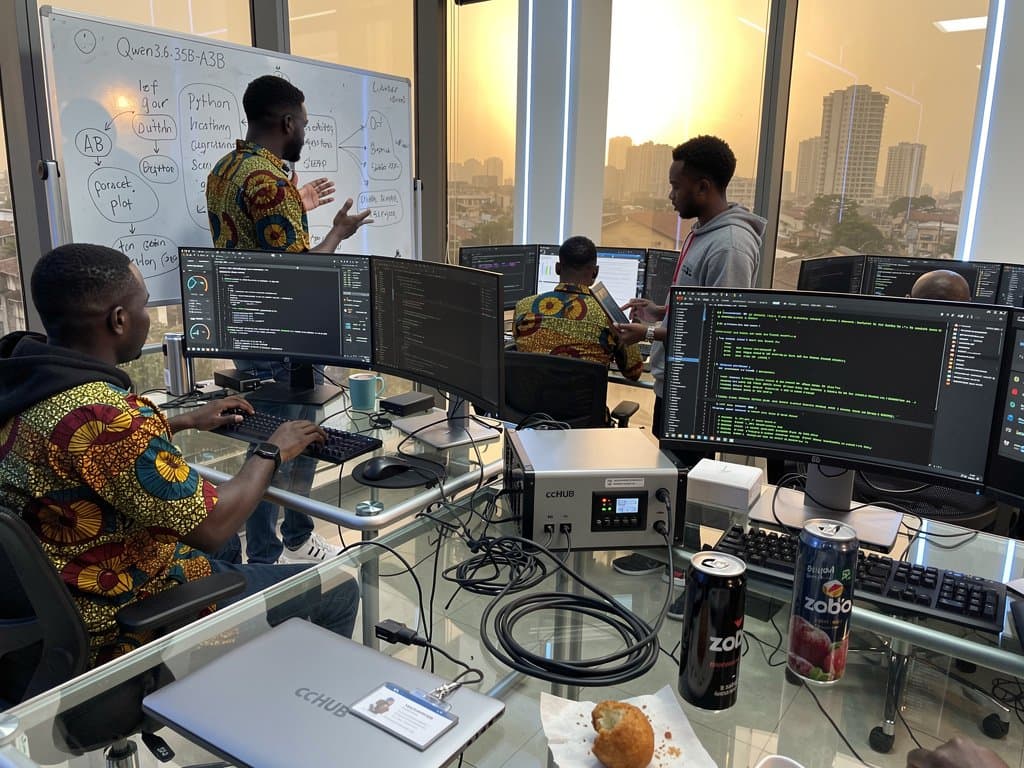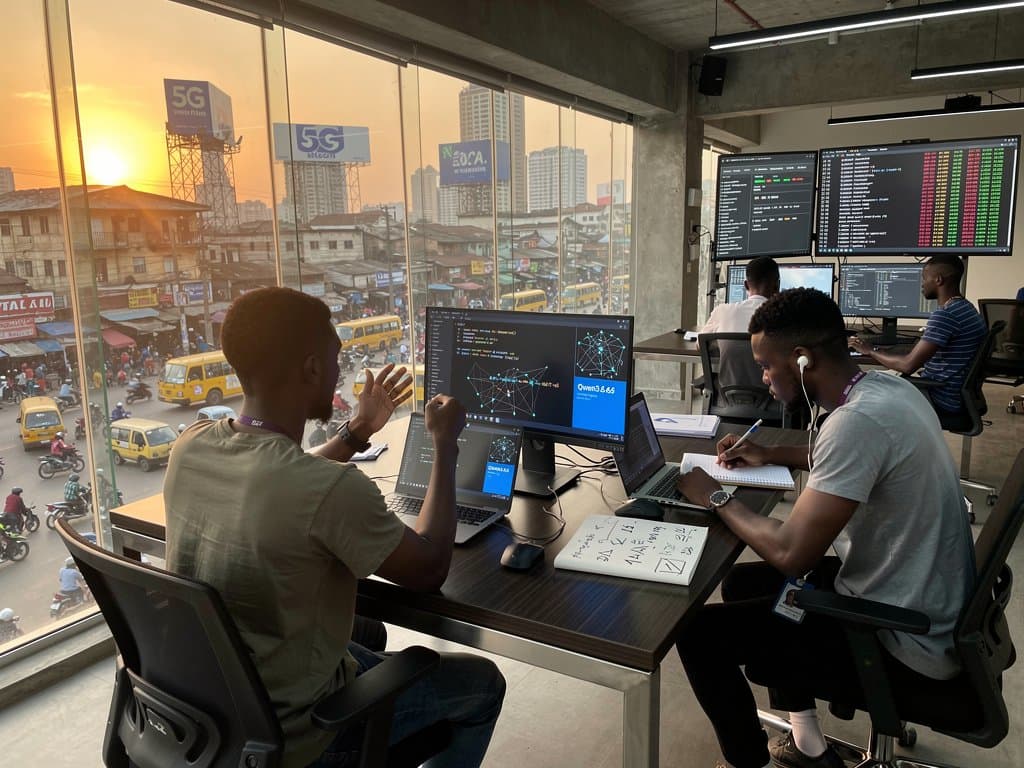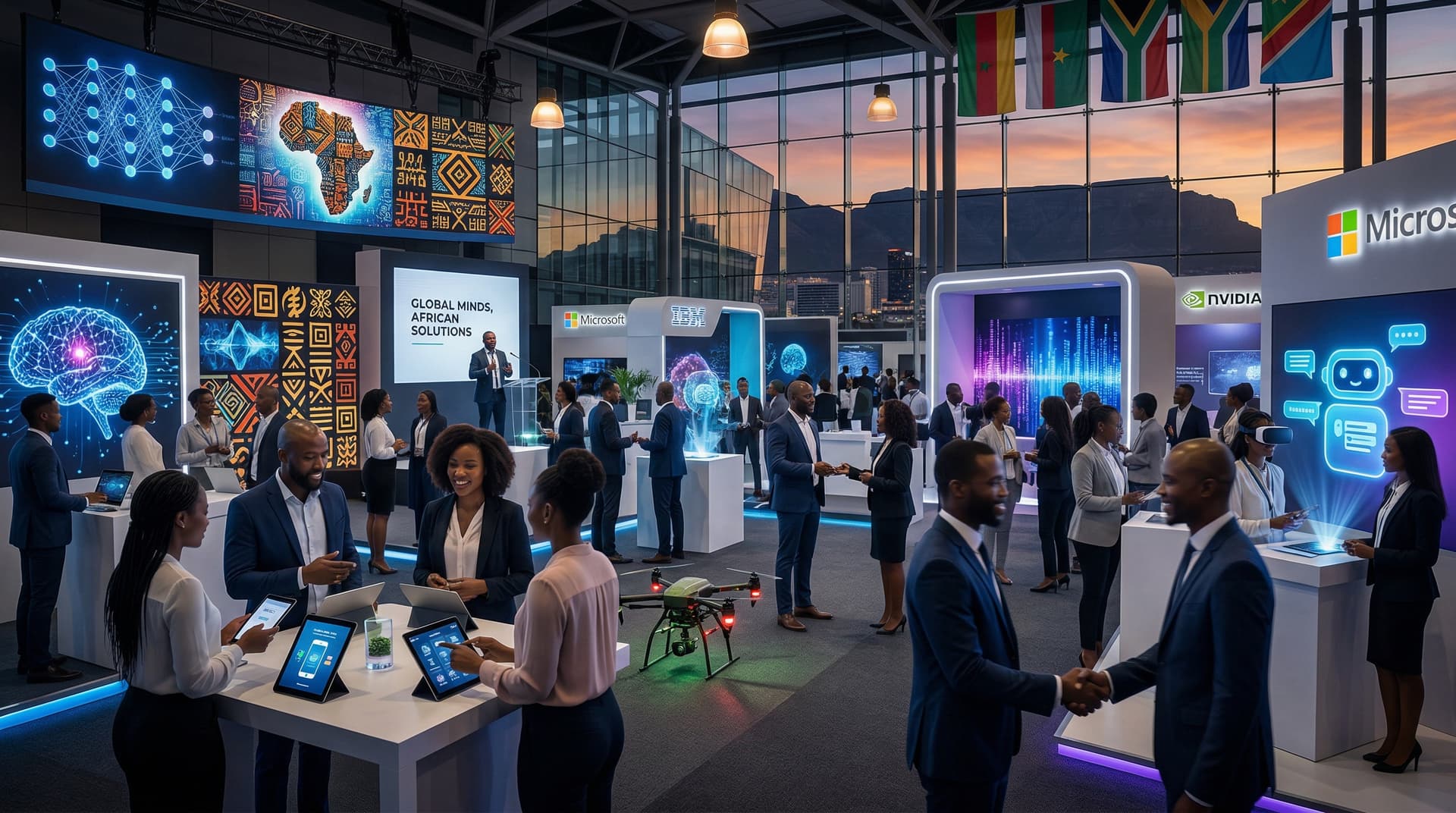
Johannesburg, South Africa – November 3, 2023 – In a bustling hall at the Sandton Convention Centre, the third edition of AI Expo Africa concluded on November 2, drawing over 5,000 attendees, 100+ exhibitors, and a lineup of global and local AI pioneers. This flagship event for Sub-Saharan Africa's AI landscape underscored the continent's growing prowess in artificial intelligence and machine learning, positioning Africa as an emerging hub for AI-driven solutions amid global tech shifts.
A Gathering of Minds and Machines
Kicking off on October 31, the expo featured three days of immersive keynotes, panel discussions, workshops, and live demonstrations. Themes ranged from generative AI's transformative potential to ethical considerations in deploying machine learning models across diverse African contexts. With South Africa serving as the epicenter – often dubbed the 'Silicon Savannah' alongside Kenya and Nigeria – the event highlighted how AI is addressing pressing issues like food security, healthcare access, and financial inclusion.
Microsoft, IBM, and NVIDIA were among the international heavyweights present, showcasing cloud-based AI tools optimized for low-bandwidth environments common in Africa. Local champions like South Africa's DataProphet and Botswana's Tawazun also shone, demonstrating ML algorithms that predict manufacturing defects and optimize renewable energy grids, respectively.
Spotlight on African AI Startups
The startup showcase was a standout, with over 50 pitches from across the continent. Nigerian firm Ingressive for Good presented its AI literacy programs, aiming to train 10,000 developers in ML by 2024. Kenya's Ajua, leveraging AI for customer insights in informal markets, secured on-site partnerships. South African outfit Aerobotics wowed with drone-powered ML for precision agriculture, helping farmers boost yields by 30% in drought-prone regions.
"Africa's AI story is no longer about catching up; it's about leading in context-specific innovations," declared expo co-founder James Francis. Panels delved into data sovereignty, with speakers from the African Union's digital transformation committee stressing the need for homegrown datasets to avoid biases in Western-trained models.
Generative AI: Hype Meets Reality
Generative AI dominated conversations, with sessions on tools like Stable Diffusion adapted for African languages. A workshop by Hugging Face explored fine-tuning open-source LLMs for Swahili and Yoruba natural language processing. Attendees tested real-time applications, from AI-generated Kiswahili poetry to ML-driven translation for cross-border trade.
Challenges were candidly addressed: only 2% of global AI research originates from Africa, per a recent UNESCO report. Infrastructure gaps, talent shortages, and regulatory voids were hot topics. Solutions proposed included public-private partnerships, like Google's recent $2 million commitment to African AI research hubs announced pre-expo.
Machine Learning in Action
Practical demos brought theory to life. IBM's watsonx platform simulated fraud detection for mobile money services, vital for Nigeria's fintech boom. NVIDIA's booths ran edge AI on Jetson devices for offline healthcare diagnostics, targeting rural clinics. A hackathon challenged teams to build ML models for predicting disease outbreaks using open African health data, with winners from Egypt and Ghana.
Ethical AI took center stage in a fireside chat featuring Dr. Joy Buolamwini of the Algorithmic Justice League, who urged African policymakers to embed fairness audits in national strategies. Echoing this, Rwanda's minister of ICT highlighted their AI policy draft, inspired by similar efforts in Ethiopia and Tunisia.
Implications for Nigeria and Beyond
For Nigeria, Africa's largest tech market, the expo reinforced momentum from Lagos' Yaba hub. Participants noted integrations with local unicorns like Flutterwave, using ML for transaction risk scoring. Nigerian startups returned with investor leads, eyeing the $1.5 billion African AI market projected by 2025, per McKinsey.
The event's ripple effects extend regionally. Post-expo announcements included a pan-African AI ethics framework collaboration between South Africa, Kenya, and Morocco. Exhibitors reported 200+ B2B deals, signaling accelerated adoption.
Looking Ahead: Africa's AI Horizon
As AI Expo Africa 2023 wrapped, optimism prevailed. With events like this fostering collaboration, Africa's tech ecosystem is poised for exponential growth. Challenges remain – from energy constraints to skill gaps – but innovations on display prove resilience. The continent's youthful demographic (60% under 25) and mobile penetration (over 50%) provide fertile ground for ML ubiquity.
Next year's edition promises deeper dives into quantum ML and AI governance. For now, Johannesburg's spotlight has illuminated a path: Africa isn't just participating in the AI era; it's redefining it.
Technology Times NG will continue tracking AI's evolution in Africa's tech landscape.
(Word count: 912)