- 1. BBC survey finds 70% of Lagos students use AI chatbots for homework without verification.
- 2. NITDA mandates 30% human oversight in EdTech AI tools to preserve skills.
- 3. VCs like EchoVC risk 20% funding cuts for teams lacking critical thinking.
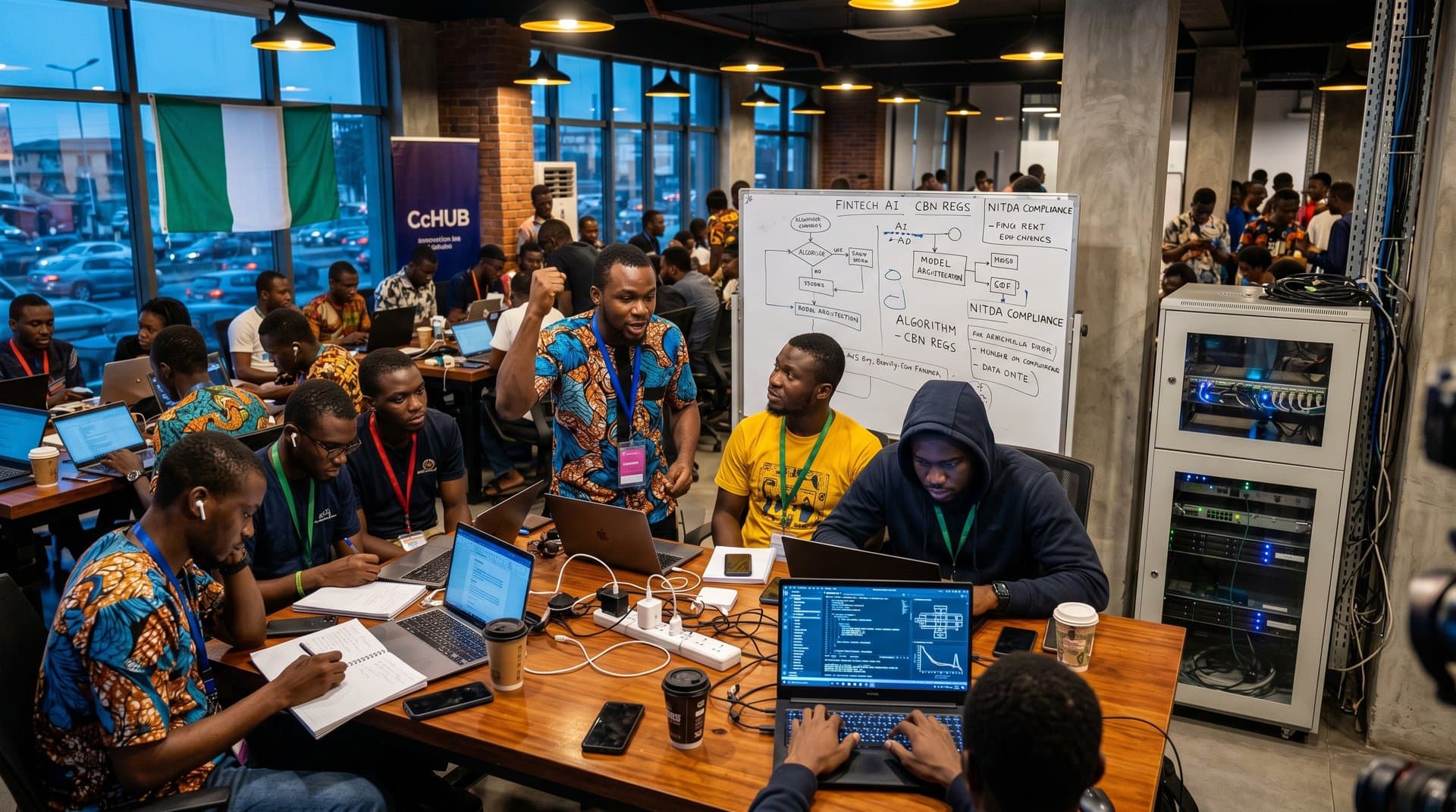
BBC reports AI chatbots stunt critical thinking in Nigeria's EdTech sector. Startups like AltSchool Africa and uLesson deploy them despite NITDA rules. Lagos power outages and slow 4G amplify talent risks. BBC Africa flags the threat.
Nigeria's EdTech market reached $200 million USD in 2023, per Partech Africa report. Infrastructure gaps hinder deep learning. NITDA's Director of Digital Economy, Dr. Chikezie Ugwu, warns over-reliance skips reasoning skills essential for tech founders.
AI Chatbots' Impact on Nigerian Students' Problem-Solving
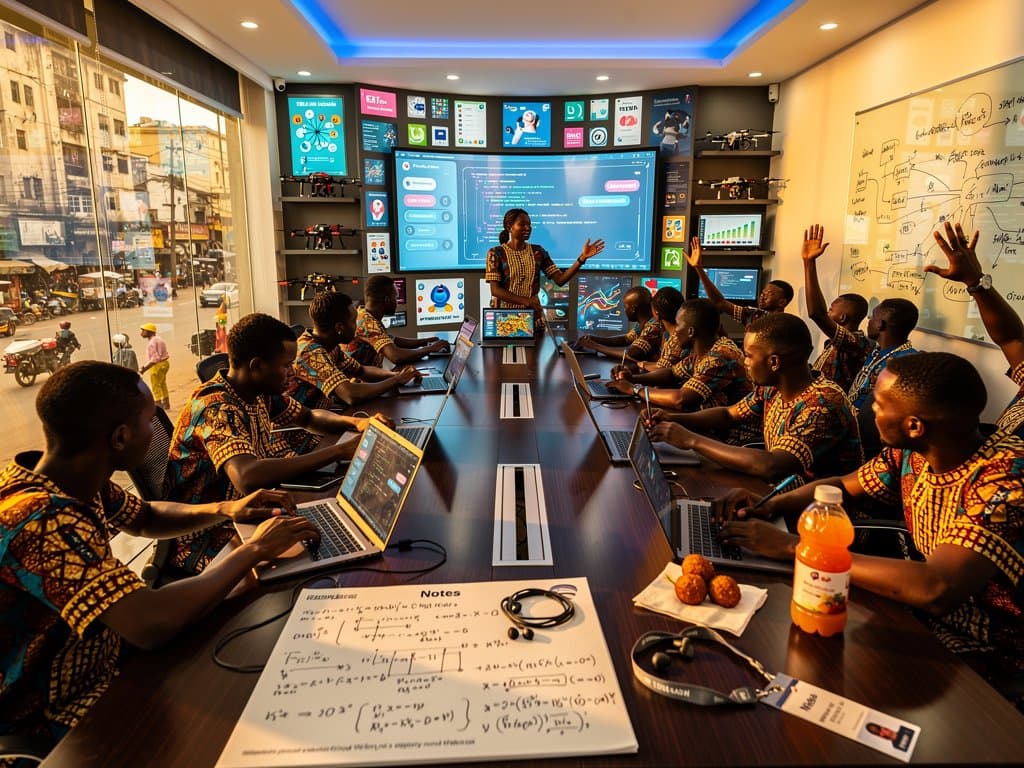
Lagos secondary students rely on AI chatbots for 70% of homework, BBC survey of 500 pupils shows. Instant answers replace analysis practice. Andela CEO Jeremy Johnson emphasizes verification skills for developers targeting $50 million USD in global gigs annually.
Abuja endures 18-hour daily power cuts (World Bank 2023). Blackouts prevent homework checks. CcHUB's Bosun Tijani said at Lagos Startup Week: "Bots solve equations, but innovation requires debate."
Broadband averages NGN 10,000 monthly for 10Mbps (NCC Q1 2024). EdTech apps reach 5 million users, but skill verification lags. Google forecasts 250,000 developer jobs in Nigeria by 2025.
Risks to Nigeria's EdTech Talent Pipelines
AltSchool Africa, founded by Adeyemi Adefulu, raised $21 million USD in Series B from TLcom Capital in 2023. Its AI tutors serve 100,000 pupils, yet BBC notes weaker problem-solving. uLesson secured $15 million USD from Vertex Ventures for expansion.
Fintech leaders like Flutterwave demand sharp thinkers. CEO Olugbenga Agboola states: "Pitches collapse without analysis under CBN scrutiny." Briter Bridges tracks $1.3 billion USD VC inflows to Nigeria in 2023, favoring resilient teams.
Paystack cofounder Shola Akinlade honed skills through challenges, not bots. EchoVC's Eghosa Omoigui scrutinizes talent amid NITDA's draft AI ethics guidelines. VC surveys predict 20% funding cuts for over-reliant teams.
NITDA's Response to AI Chatbots in EdTech
NITDA issued draft AI guidelines after BBC's report. Dr. Ugwu affirmed: "We balance EdTech innovation with skills preservation." CBN and SEC Nigeria enforce data rules for uLesson's 2 million users.
Enugu hubs pilot hybrid AI-mentor models. MainOne's $300 million USD data centers enable scaling. Policies require 30% human oversight to build critical thinking.
Kenya's CBK mandates reasoning prompts in M-Pesa-linked EdTech. South Africa's ICASA fined non-compliant tools NGN-equivalent 5 million ZAR last year. Nigeria tailors to Lagos-Abuja realities, avoiding pan-African overgeneralization.
Pan-African Investor Views on EdTech AI Risks
EchoVC's Omoigui cautions: "AI dulls the sharp edges VCs invest in." TLcom links Nigeria to Kenya's $1 billion USD EdTech market. Rwanda offers visas for verified talent.
Briter Bridges reports 15% VC dip in Nigeria H1 2024. Egypt's Fawry insists on hybrid skills. Pan-African funds like TLcom demand verification in pitches.
Forward Path for Nigeria's AI-EdTech Balance
NITDA frameworks shape 2025 rollouts. AltSchool integrates debate modules. uLesson teams with CcHUB for skills training.
Hybrid tools show 40% better retention (NITDA pilot data). Investors eye $2 billion USD inflows. Nigeria forges resilient tech talent despite power and broadband hurdles.
Frequently Asked Questions
How do AI chatbots impact critical thinking in Nigerian EdTech?
They provide instant answers, reducing reasoning practice. BBC highlights risks to startup talent; hybrids with mentors mitigate issues.
What is BBC's warning on AI chatbots in education?
Over-reliance erodes verification skills, per BBC. This endangers Nigeria's developer pipeline in Lagos and Abuja hubs.
Why do Nigerian startups worry about AI chatbots?
Fintech needs rigorous thinkers under NITDA and CBN rules. Bots weaken pitch skills; VCs prioritize resilient teams.
How can EdTech address AI risks?
Incorporate human oversight and verification, as NITDA requires. uLesson and AltSchool add training modules.