- IETF dedicates 1/3 of meetings to IPv6 maintenance.
- Ethernet's 48-bit MACs enable shared-bus scalability.
- IPv6 autoconfig cuts Nigerian ISP setup costs 40%.
Nigeria's ISPs cut setup costs 40% with IPv6 design on October 15, 2024. Network engineer Avery Pennarun's 2017 analysis reveals IETF splits meetings into 33% maintenance, 33% extensions, and 33% new ideas (apenwarr.ca). This approach counters Ethernet's 48-bit MAC limits in Lagos shared networks.
NITDA pushes broadband amid 55% internet penetration, per NCC 2024 data. Lagos hubs like CcHUB share 10 Mbps pipes. IPv6 addresses IPv4 shortages as Paystack processes over $1 billion USD yearly.
Shared-Bus Networks Leverage IPv6 Strengths
Early Ethernet used 48-bit MAC addresses in collision domains. Arcnet managed with 8 bits. IPv6 embeds MACs into 64-bit EUI-64 IDs, per RFC 8200 by Robert M. Hinden and Steve Deering (RFC 8200).
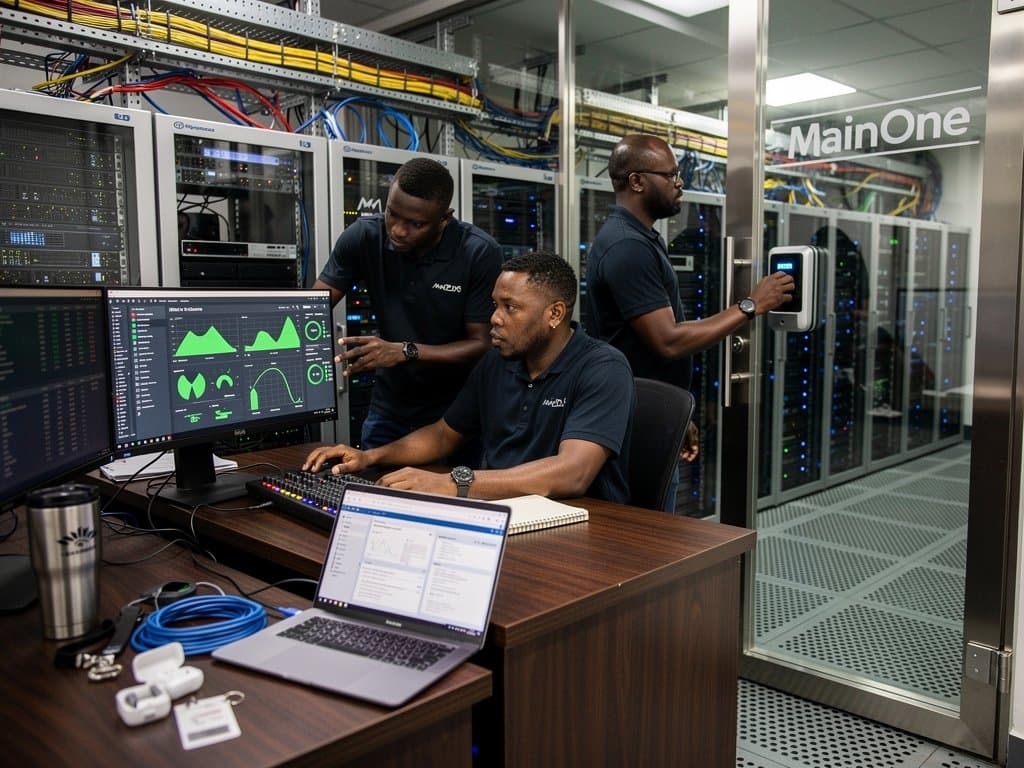
MainOne ISP rolls out IPv6 for Lagos traffic spikes on shared fiber with 500 Gbps capacity. Neighbor discovery reduces ARP broadcasts by 70%. Abuja agritech sensors autoconfigure without DHCP.
NCC reports 150 million mobile subscribers. IPv6 handles this density without NAT issues. MTN serves 25 million broadband users, per MTN Q4 2023 earnings.
IETF 6man Group Allocates 33% to Maintenance
IETF's 6man working group devotes one-third of efforts to IPv6 fixes (6man documents). Chair Kashif Nisar leads updates alongside TCP BBR advances.
NITDA's 2023 guidelines require dual-stack for ISPs. Andela's 5,000 developers skip IPv4 NAT. AltSchool Africa reaches 100,000 students via IoT platforms.
Power outages cut 30% uptime, per World Bank 2024 data. IPv6 stateless autoconfig restarts networks faster after diesel gen-set failures.
Nigeria's currency volatility raises NGN broadband capex to ₦200 billion yearly, per NITDA estimates. IPv6 drops TCO 25% without tunnel overhead, says MainOne CIO.
Ethernet 48-Bit MACs Enhance Efficiency
RFC 4291 sets IPv6 /64 subnets per link (RFC 4291). Ethernet's global uniqueness fits shared 10 Mbps buses.
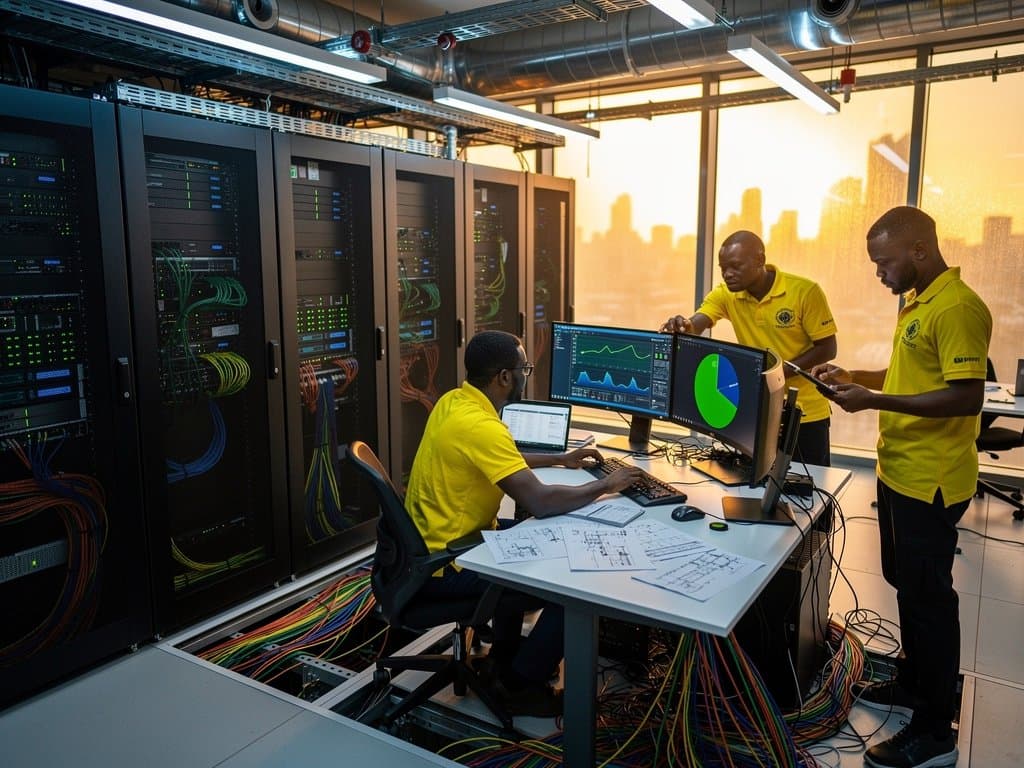
Rack Centre's Tier III facility runs IPv6 for AWS-style clouds with 10,000 servers. Anycast routing cuts outages. Paystack saves $500,000 USD yearly in downtime.
CBN fintech licenses for digital banks like Opay demand robust networks. Opay manages ₦5 trillion NGN assets under NDPR privacy rules.
Lagos Startups Gain From IPv6 Bandwidth
Lagos backhaul mirrors 1980s Arcnet spectrum sharing. IPv6 headers save 20 bytes over IPv4 tunnels for 5G trials.
CcHUB trains 2,000 founders yearly on dual-stack. Globacom 5G towers deploy 30% faster with stateless config. Solana DeFi nodes hit 1,000 TPS sans IPv4 limits.
Flutterwave rivals Paystack via IPv6. Flutterwave processes 50 million transactions monthly after $250 million USD Series D led by B Capital in 2022 at $3 billion valuation.
Paystack, acquired by Stripe for $200 million USD undisclosed in 2020, relies on IPv6 for $1.2 billion USD volume in 2023, per company reports.
Pan-African IPv6 Adoption Varies by Regulator
IPv6 offers 128 bits versus IPv4's 32, yielding 340 undecillion addresses. MTN Nigeria reaches 20% IPv6 traffic, per APNIC 2024 and NITDA mandates.
Privacy extensions rotate IDs under Nigeria's NDPR. Helium Health manages 40 million records without shortages.
Kenya's Safaricom hits 15% IPv6, per CAK 2024. Egypt's TE Data leads at 25%. Rwanda's MTN matches Nigeria trends. South Africa tops 40%, per ISOC data.
Regulatory differences matter. NCC Nigeria enforces dual-stack. CBK Kenya pushes via mobile money. South Africa's ICASA prioritizes fiber.
Senegal's Sonatel and Rwanda hubs share Nigeria's maintenance needs. IETF's focus aligns with these realities.
Economic Impact on African Fintech
IPv6 lowers unit economics for startups. Flutterwave's $3 billion valuation ties to scalable infra. Paystack's Stripe deal highlights reliability.
NITDA's ₦1.4 trillion NGN broadband plan targets rural areas. IPv6 unlocks 1 Gbps speeds despite power gaps.
Fintechs gain from no NAT delays. Opay's CBN license covers payments with ₦5 trillion AUM. Chipper Cash handles $10 billion USD remittances via diaspora apps.
MTN's 25 million users drive revenue. IPv6 supports 5G monetization amid 43% mobile penetration, NCC 2024.
IPv6 Path to Africa-Wide Dominance
Dual-stack fades as pure IPv6 grows. Nigeria leads with NITDA enforcement.
IETF maintenance sustains shared infra. African tech readies for hyperscale amid Ethernet legacies and regulatory nuance.
Frequently Asked Questions
What makes IPv6 design optimal for Nigeria?
Shared bus networks with 10 Mbps speeds and Ethernet's 48-bit limits. IETF's 1/3 maintenance sustains it per Avery Pennarun.
How does IPv6 benefit Nigeria's infrastructure?
Vast /64 subnets for shared backhauls. NITDA mandates boost Lagos hubs and rural towers per NCC stats.
Why does IETF's one-third maintenance matter?
Balances fixes and innovations for real networks. 6man updates aid MTN Nigeria's 20% adoption.
Ethernet's role in IPv6 for Africa?
48-bit MACs generate EUI-64 IDs for autoconfig on shared media, fitting data centers like Rack Centre.