- 1. Footwear AI pivot reallocates 50 engineers, inspires 1,000+ Nigeria ankara hybrids.
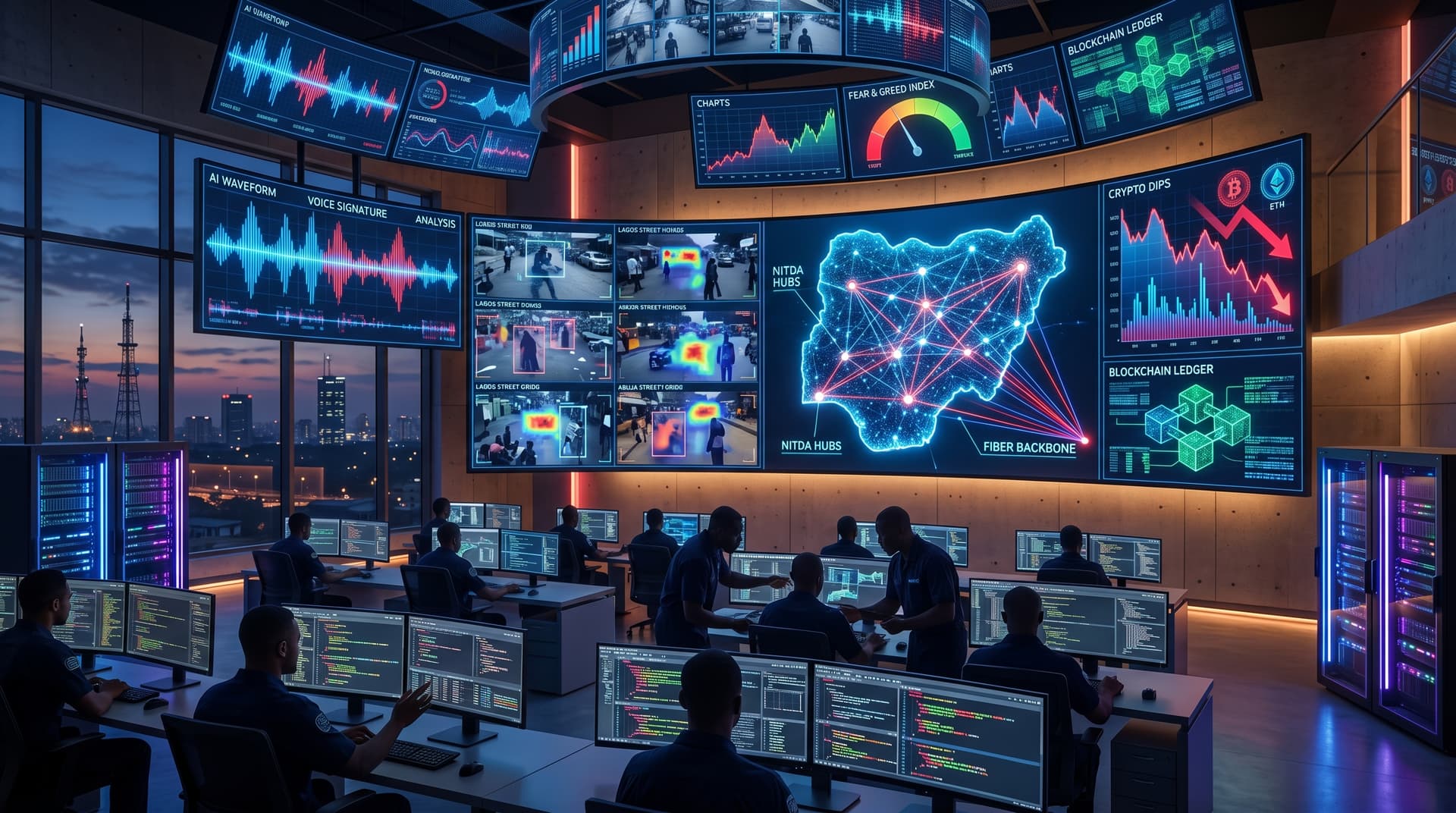
- 2. Fear & Greed Index at 23 limits VC, boosts bootstrapping with BTC at $74,862.
- 3. NITDA funds 50 pilots, NGN 100M grants under CBN rules for fashion tech.
By Chinedu Obi, Fintech Reporter April 16, 2026
The footwear AI pivot launches today. A major U.S. brand reallocates 50 engineers to generative AI for custom shoe designs from foot scans, per Cleveland.com. Nigeria's Lagos developers adapt these for ankara fabrics, said CcHUB organizer Tunde Afolabi. The Crypto Fear & Greed Index hits 23, signaling extreme fear.
Footwear AI Pivot Mechanics Fuel Custom Designs
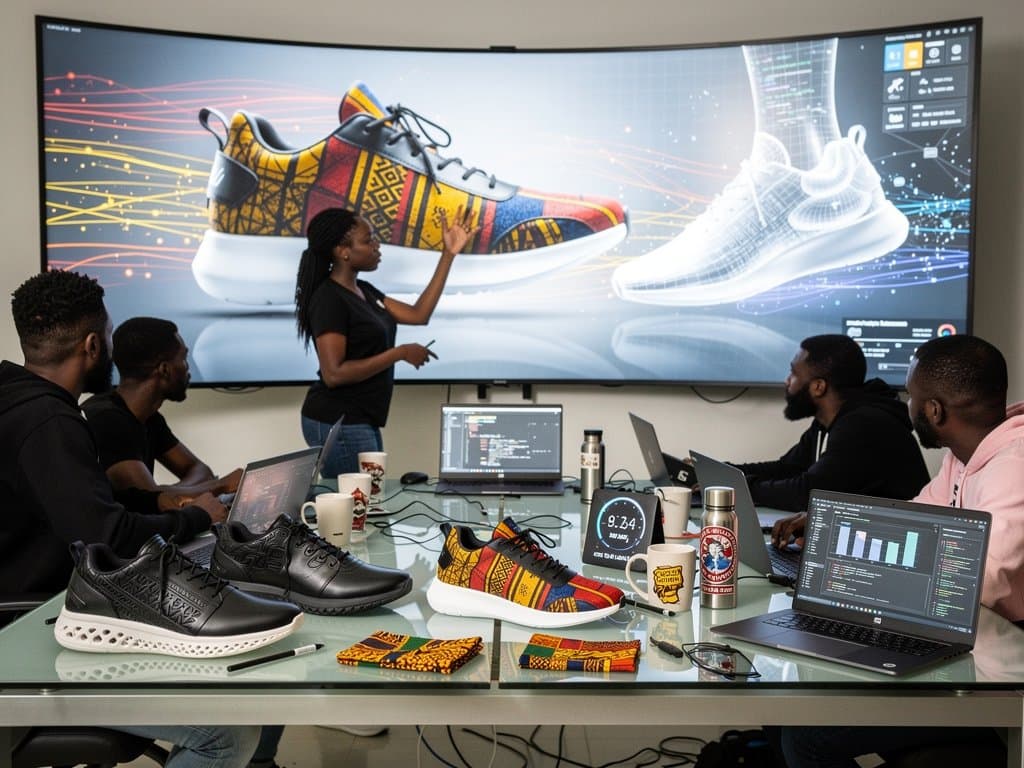
The brand's neural networks predict user preferences. They generate 3D prototypes in minutes from foot scans. Nigerian firms integrate these models via APIs into local production lines.
Lagos designer Ada Eze, founder of NaijaThreads, customized 1,000 ankara sneakers. She used open-source tools at CcHUB hackathons. "This pivot democratizes design for African markets," Eze told Technology Times NG.
Bitcoin trades at $74,862, up 1.2% per CoinGecko. Ethereum holds $2,344.82, gaining 0.3%. High volatility curbs VC funding. Nigeria startups now bootstrap aggressively.
Nigeria Startups Build AI-Fashion Hybrids
Local companies optimize supply chains with NITDA-compliant AI tools. E-commerce platforms deploy personalized recommendations. Paystack APIs handle micropayments for 5,000 custom orders monthly.
USSD wallets serve 2 million unbanked tailors in Abuja and Kano. NITDA Director Kasim Yukubu announced 50 AI pilots. These include NGN 100 million ($62,000 USD at NGN 1,613/$1) in fashion tech grants.
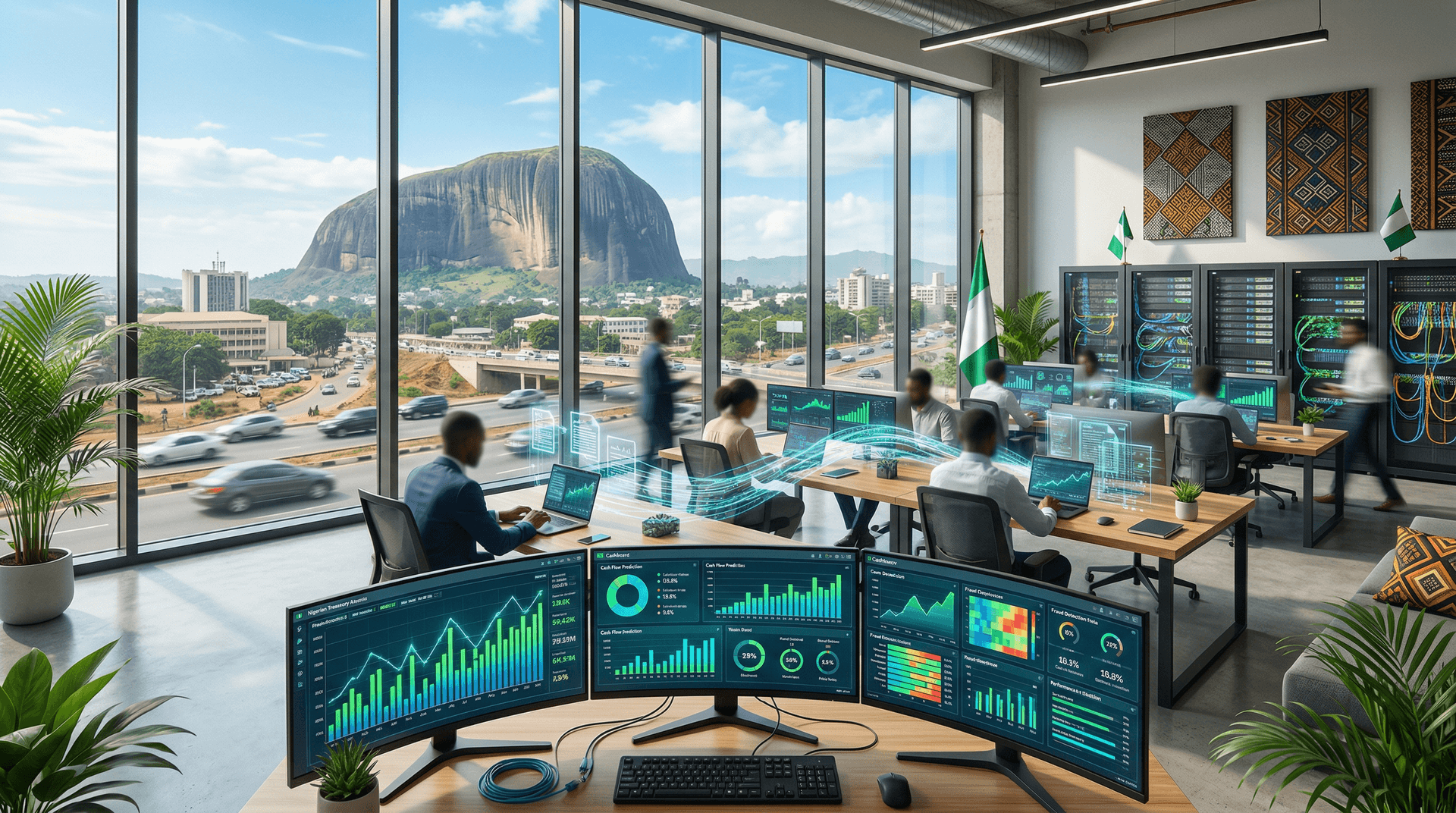
Erratic power supply—only 55% reliable in Lagos per World Bank 2025 data—pushes edge AI adoption. Starlink cuts latency by 40% in tech hubs like Yaba.
Crypto Fear Index at 23 Boosts Bootstrapping
The index at 23 limits cross-border VC to $200 million quarterly in Nigeria, says CB Insights. Investors shift to bootstrapped models. XRP rises 4.3% to $1.43.
Flutterwave's AI detects fraud in fashion e-commerce. It processes NGN 5 billion monthly volumes. Kenya's M-Pesa APIs link AI inventory systems, but Nigeria leads with 250,000 developers per Andela 2026 report.
South Africa's Takealot tests similar hybrids, yet Nigeria's 45% mobile penetration (NCC 2025) accelerates adoption. Egypt's Fawry lags due to stricter NDPR equivalents.
Infrastructure and Regulatory Support
Neural networks convert scans to 3D meshes for printing. ONNX standards enable model swaps over low-bandwidth networks. Nigerian coders simulate material lifecycles, cutting waste by 25%.
Agritech firms supply bio-fabrics tracked via blockchain. The CBN's 2023 circular enables fintech-AI payment integrations.
NDPR rules protect biometric data. Fines reach NGN 10 million for breaches. NITDA mandates bias audits for cultural accuracy in AI designs.
Lagos Hubs Drive Fashion AI Innovation
AltSchool Africa trains 500 students in generative design. Graduates launch AI sneakers with Yoruba motifs. They generate NGN 50 million ($31,000) revenue in Q1 2026.
3D printers license pivot models. Diaspora exports grow 15% via Aramex. Solar backups ensure 24/7 training. MainOne delivers 100 Gbps broadband to cloud providers.
CBN sandboxes test fashion fintech apps. SEC Nigeria eyes tokenized IP for designs. Rwanda's soft regulations attract pilots, but Nigeria's NGN 1 trillion Lagos e-commerce market dominates.
Projections for AI Fashion in Nigeria
Jumia Insights projects AI-fashion capturing 15% of Lagos e-commerce by 2028. Unit economics improve: production costs drop 30% via AI optimization. Valuation context: NaijaThreads raised NGN 200 million seed from Ventures Platform, valuing at NGN 1.2 billion.
The footwear AI pivot sets a template. It blends U.S. tech with African resourcefulness. Local startups lead amid global fear.
This article was generated with AI assistance and reviewed by automated editorial systems.