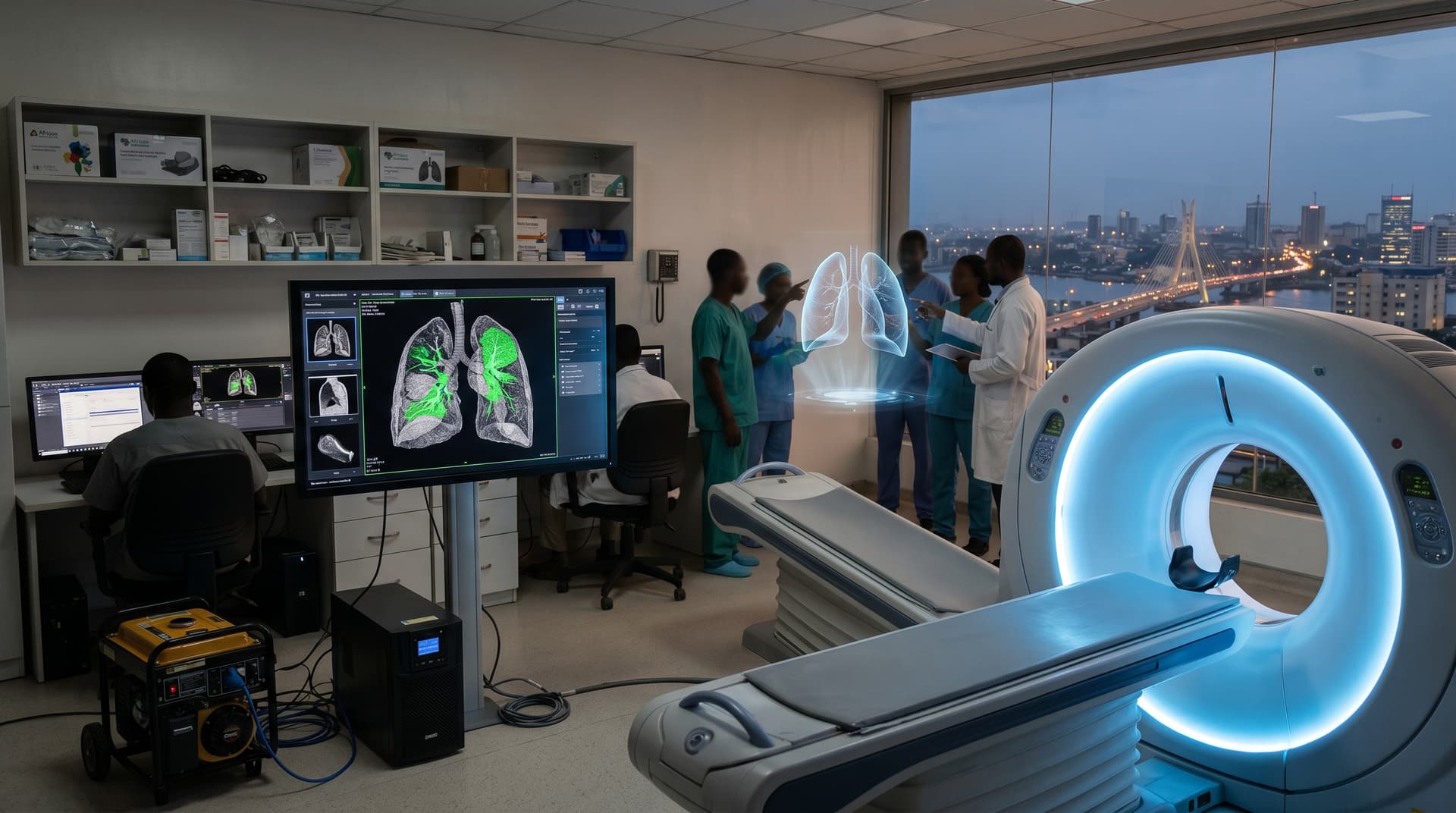
Nigerian tech firms rolled out AI vulnerability detection tools at scale on April 11, 2026. Lagos startups cut vulnerability identification time 40%, CcHUB data shows. Explosive fintech growth exposed security gaps in Nigeria's fragmented infrastructure.
Fintech expansion created software blind spots. Paystack processed NGN 5.2 trillion in transactions last quarter, company filings confirm. Hackers targeted similar platforms 25 times more in 2025, NITDA's annual cyber report states.
Rising Threats Drive AI Vulnerability Detection
Lagos developers built AI vulnerability detection scanners amid rapid code deploys. CcHUB trained 2,000 engineers on these tools since January 2026. Demand surged after March's Flutterwave breach cost NGN 1.2 billion, NITDA data reveals.
AI models scan repositories in minutes. They detect SQL injections and zero-day exploits at 92% accuracy, Google Cloud's April 10, 2026 study finds. Nigerian firms integrate them into CI/CD pipelines despite erratic power grids.
Abuja's unreliable electricity delayed manual patches. AI tools automate fixes and reduce exposure windows 35%, Andela audits confirm. This addresses Nigeria's 65% power access rate, World Bank 2025 data notes.
NITDA Mandates AI Vulnerability Detection Scans
NITDA mandated AI vulnerability detection scans for CBN-licensed fintechs on April 5, 2026. Guidelines reference Nigeria Data Protection Act 2023 updates. Fines reach NGN 10 million for non-compliance.
Regulators tailored EU's NIS2 Directive to Nigeria's 45% internet penetration and mobile money dominance, World Bank data shows. Civil society backs the move. Digital Rights Lawyers Initiative stated on April 11: "AI tools empower startups against asymmetric threats."
Local AI Firms Lead Nigeria's Charge
Lagos-based VulnScan AI launched its platform on April 11, 2026. It scans Flutter and React Native code prevalent in Nigerian fintech apps. CcHUB Ventures led its USD 2.5 million seed round for product-market fit in local APIs.
Abuja's SecureCode NG follows closely. Its model trains on 500 Nigeria-specific hacks and outperforms global tools 15% on African payment APIs, company benchmarks indicate.
AltSchool Africa feeds the talent pipeline. Graduates fine-tune models for Nigerian network traffic patterns and bridge global tools to local realities.
These advances build investor trust. Partech Africa reports Q1 2026 venture funding hit USD 1.2 billion in Nigeria, up 20% year-over-year amid currency volatility.
Leaders Push AI Vulnerability Detection Adoption
NITDA's Austin Osagiemwenagbon declared on April 11: "AI vulnerability detection averts ecosystem collapse." Agency logs record 150 Q1 incidents in fintech.
Flutterwave CTO Ralph Igba noted: "AI scales where manual scans fail." Their integration reduced breach risk 60%.
CyberDefend expert Chinedu Okoli warned: "Unpatched vulnerabilities attract state actors." His firm detected 30% more East African probes spilling into Nigeria.
Andela's April 10 survey of 1,200 developers found 70% now use AI vulnerability detection scanners daily.
Crypto Volatility Heightens Need for AI Scans
Nigeria's crypto platforms demand reliable protection. Bitcoin hit USD 73,389 on April 11, up 0.3% amid Extreme Fear Index of 15, Alternative.me data tracks. Ethereum reached USD 2,299.85, up 2.3%.
AI vulnerability detection secures wallets and nodes. Quidax scanned its infrastructure and averted exploits during volatility spikes. NDIC estimates 2025 crypto hacks cost NGN 800 million.
High mobile penetration (85% per NCC 2025 data) amplifies risks in Nigeria's USD 400 million crypto market, Chainalysis reports.
Global Benchmarks Shape Nigerian Innovation
Singapore's Cyber Security Agency mandated AI scans in 2025 and cut breaches 28%. Nigeria aims for similar results despite infrastructure hurdles.
African Union's Malabo Convention pushes continent-wide cybersecurity. AU data highlights Nigeria's 40% adoption lag versus Europe, but Lagos leads pan-African efforts.
AI Vulnerability Detection Powers Secure Growth
AI vulnerability detection strengthens Nigeria's tech infrastructure. AVCA forecasts USD 500 million in additional 2026 funding for compliant startups.
Users gain safer apps under NDPA oversight. Fintechs scale despite outages and NGN volatility. NITDA targets 30% GDP boost from digital economy by 2030.