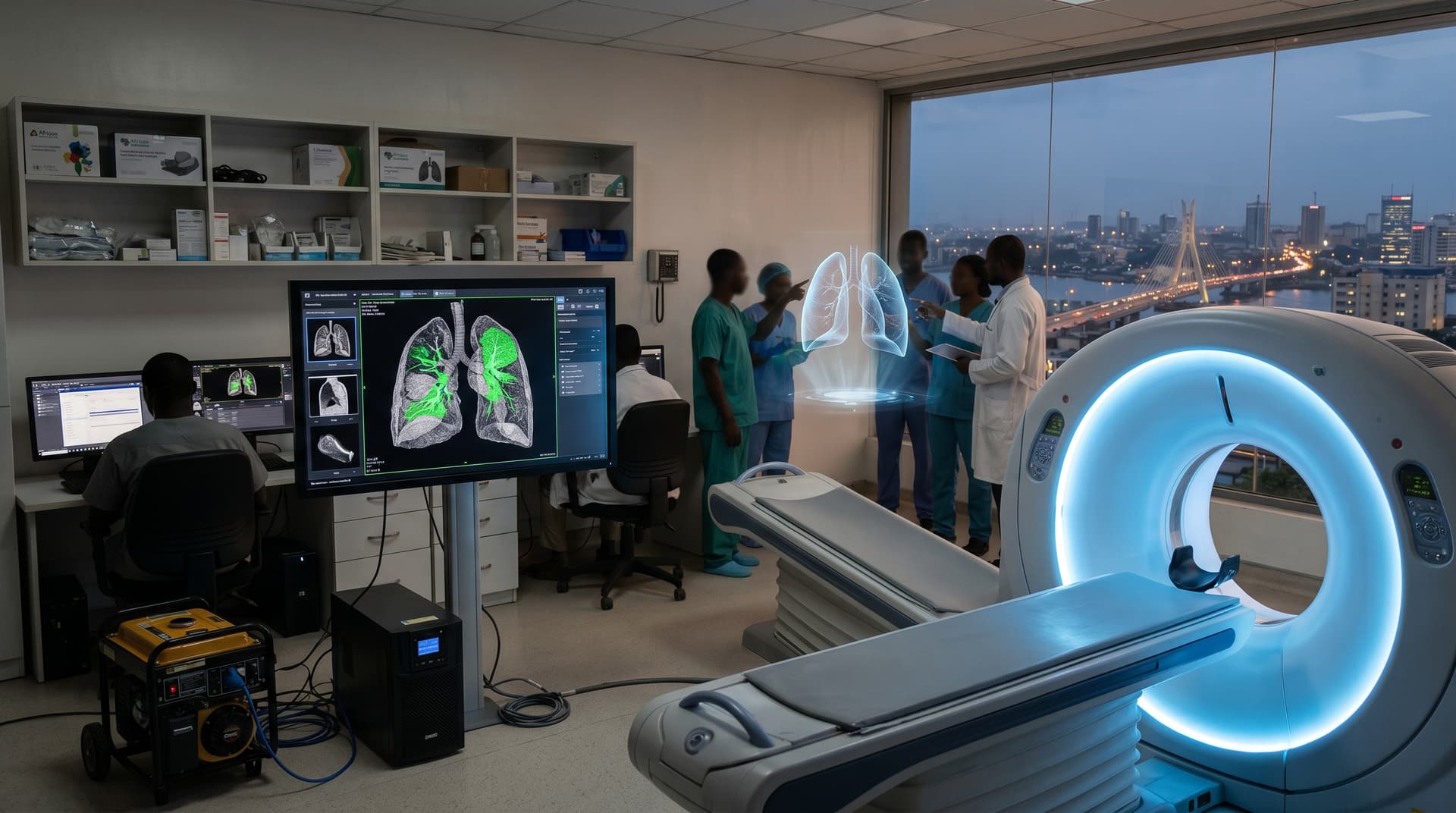
AI tools Linux kernel patches surged 30% in submissions from African developers during Q1 2026. Linux Foundation data released April 11 confirms this. Nigeria led with 450 contributions amid 45 Mbps average internet speeds and frequent power outages, per NITDA April 2026 figures.
AI code generators like GitHub Copilot and KernelGPT scan vast kernel codebases. They propose fixes for intricate drivers and subsystems. Lagos and Abuja developers adopted these tools rapidly.
AI Tools Streamline Linux Kernel Contributions
Linux kernel work requires deep C expertise and subsystem mastery. AI tools parse mailing lists and git logs to generate ready patches. A CcHUB developer in Nigeria resolved a network driver bug in 20 minutes using KernelGPT—down from two hours manually.
Developers run quantized large language models (LLMs) on 16GB RAM laptops. This sidesteps Nigeria's bandwidth limits. Linux Foundation reports show AI-assisted patches cleared review 25% faster in Q1 2026.
AI integrates seamlessly with git-send-email workflows. Junior coders in Nigeria's Yaba and Abuja hubs now contribute effectively.
Nigeria Leads Africa's Linux Kernel Push
Nigeria accounted for 12% of Africa's 3,800 kernel patches in Q1 2026, up from 8% in 2025. Linux Foundation metrics track this growth. Lagos hubs like Andela trained 200 developers on AI-kernel pipelines.
Abuja's NITDA funded 50 local open AI model instances. MTN Nigeria runs Linux servers for 5G networks. African patches target ARM processors in affordable hardware.
Power outages in Nigeria drive offline AI use for resilience. Kenya holds 9% of Africa's share through M-Pesa backend fixes. Nigeria's edge stems from its vast developer talent pool.
AltSchool Africa states 40% of graduates contribute kernel code within six months.
Mechanics of AI Tools in Kernel Development
AI models train on 30 years of commits from kernel.org. They predict patch diffs with 85% accuracy on driver code, Stanford AI Lab March 2026 study finds. Tools spot race conditions in scheduler modules.
Nigerian developers fine-tune models for solar-powered edge devices common in agritech. APIs connect AI to kernel build systems for rapid testing. One recent patch optimized eMMC storage for low-cost Android devices.
Kernel reviewers scrutinize all AI-generated code. Maintainers noted 15% more African-authored commits in the 6.12 release cycle. This spreads expertise across time zones.
Boosting Nigeria's Tech Infrastructure
Linux powers 80% of Nigerian cloud instances, MainOne April 2026 data shows. Optimized kernels reduce data center latency by 12%. Paystack deploys custom builds for its fintech payment rails.
AI tools align with NITDA's digital economy targets. Local inference cuts bandwidth costs to NGN 15,000 per GB. Yaba startups achieve 2x faster IoT prototyping.
uLesson EdTech applies kernel tweaks to low-end tablets. Agritech sensors gain from efficient power drivers. US-based Nigerian diaspora join via remote AI sessions.
Regulatory Backing and Future Outlook
Nigeria's Central Bank of Nigeria (CBN) backs open-source under 2026 sandbox rules for secure payments. NITDA requires AI training in tech curricula starting April 2026.
Linux Foundation projects 50% contribution growth by Q4 2026. Rural Nigeria faces 35% unconnectivity, World Bank 2026 data notes. Offline AI tools bridge this divide.
Developers share AI tools Linux kernel patches across Pan-African networks. Kenya's Safaricom adopts Nigerian patches for mobile money servers. This builds continent-wide tech sovereignty, distinct from Nigeria's CBN-regulated fintech to Kenya's CMA oversight.