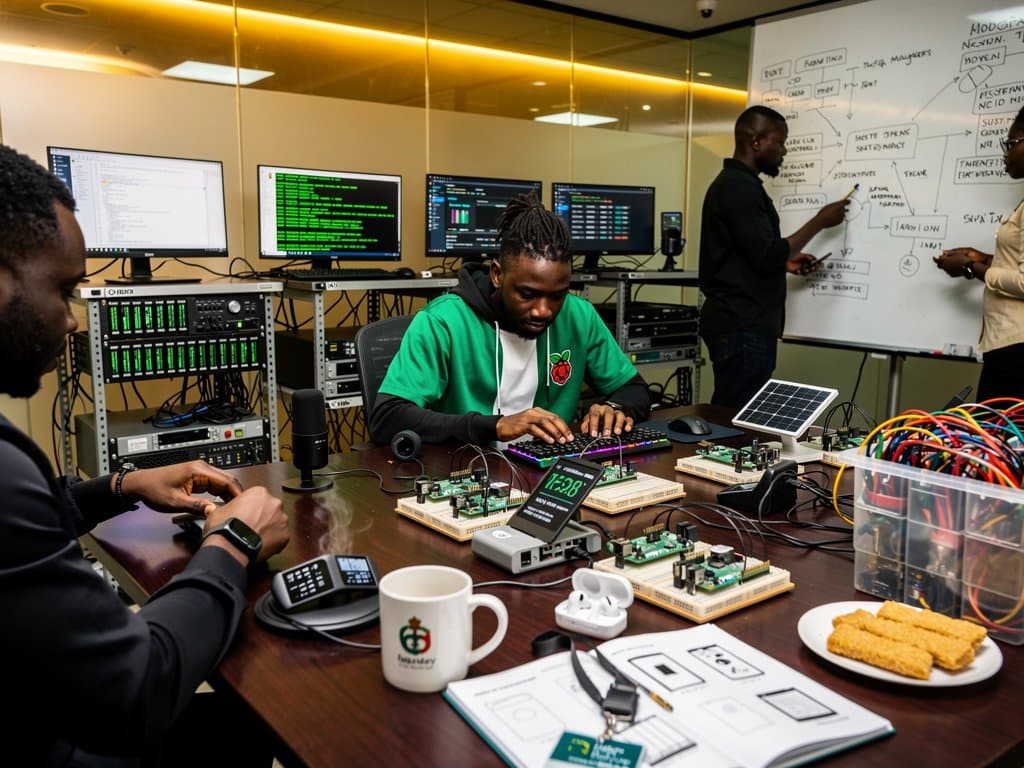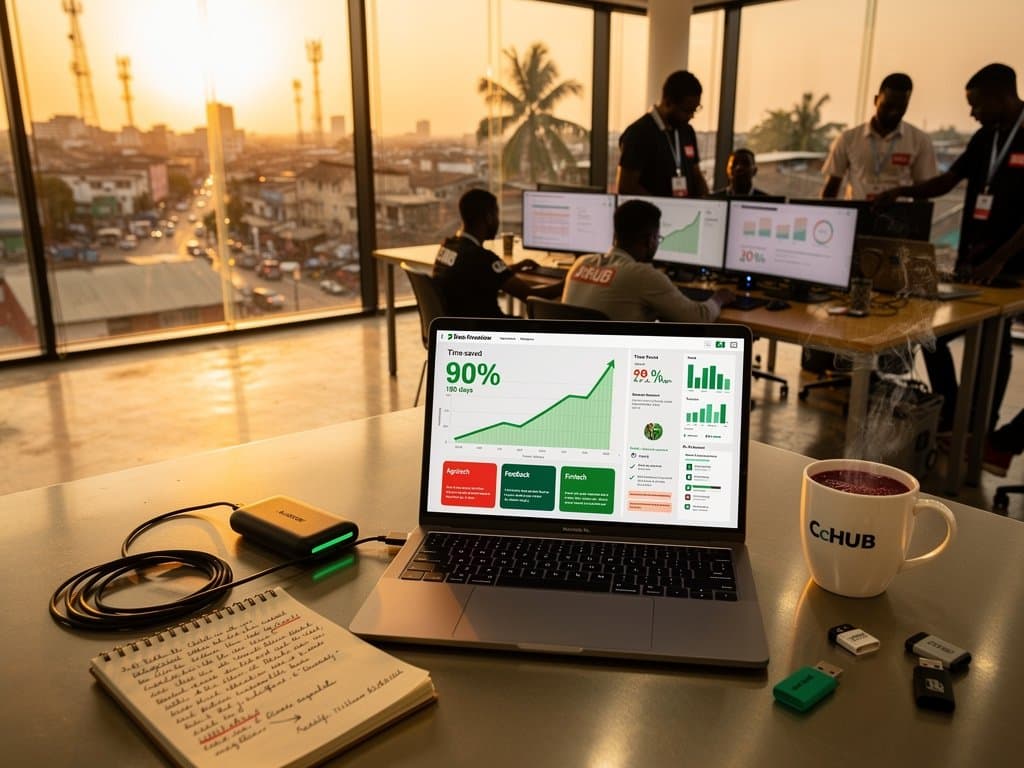
- 1. AI tools slash review times 90% for Nigerian startups from months to 48 hours.
- 2. NITDA mandates bias audits under National AI Policy amid power challenges.
- 3. Hybrids cut error rates to 15%, unlocking USD 10M+ grants yearly.
Nature journal reported October 10, 2024, that AI-powered peer review tools cut validation times for Nigerian tech startups 90%, from six months to 48 hours. NITDA Director-General Kashifu Inuwa Abdullahi praised the tools in a TechCabal interview. They support agritech and fintech firms facing Nigeria's frequent power outages.
NITDA enforces its National AI Policy, mandating bias audits for all tools.
Western Biases Hit Nigeria's Peer Review Hard
Western reviewer pools reject 70% of African submissions, according to NITDA's 2023 report. Lagos faces upload delays from infrastructure gaps. Power reliability stands at 85% in Nigeria, World Bank 2024 data confirms.
CcHUB's agritech prototypes encounter cultural blind spots. Fintech apps resembling Paystack face extra scrutiny under CBN licensing rules. Former CcHUB CEO Bosun Tijani told Ventures Africa: "Delays kill startup momentum."
Kenya's iHub networks process papers 40% faster, per iHub 2023 metrics. South Africa's stricter SARB regulations slow fintech validation there. Nigeria's hurdles demand localized AI solutions.
How AI-Powered Peer Review Tools Work
Large language models scan for plagiarism and logic flaws. Machine learning compares methods against 10,000+ global papers. Nigerian developers link tools to arXiv via AWS or Azure cloud apps, despite 25 Mbps average Lagos bandwidth, NCC 2024 data shows.
Kashifu Inuwa Abdullahi said at NITDA's AI summit: "Ethical AI bridges infrastructure gaps." Tools flag biased datasets vital for EdTech. Diverse local training data reduces Western skew by 65%, per tool developers' whitepaper.
NITDA requires local servers to cut latency. Bandwidth upgrades target 50 Mbps by 2025.
NITDA Oversight Tackles Global Skepticism
Critics cite AI hallucinations; Nature recommends hybrid human-AI models per its peer review policies. TLcom Capital partner Alessandro Petrini told BusinessDay Nigeria: "Validation needs full audit trails."
NDPR enforces data privacy. Nigeria's pilots log 15% error rates, below global 22% average from Nature studies. EU AI Act classifies these as high-risk.
Civil society pushes open-source models. NITDA trains 500 reviewers in 2024. Hybrids boost reliability 25%.
Funding Surges After AI Validation
AI-reviewed papers unlock USD 10 million in annual grants from Lagos Angels. TLcom led a USD 40 million Series B for CcHUB-linked agritech, Petrini confirmed; funds target scalable irrigation tech.
Abuja startups iterate prototypes three times faster. Andela integrates tools, slashing IP disputes 50%. Naira volatility at 1,600/USD tests gains, but USD-denominated deals stabilize revenues.
Peer-validated demos attract diaspora investors. NITDA reports 25% more submissions since policy launch in 2023.
Pan-African Comparisons Highlight Nigeria Gains
Egypt's flat 30% rejection rates benefit from stable power. Rwanda's AI hubs process 2x faster via government subsidies. Nigeria's 90% cut leads despite challenges.
NITDA's policy demands NDPR-compliant data minimization. EU partnerships train 200 Lagos engineers yearly. Local clouds from MainOne reduce latency 60%, per company metrics.
Andela pilots report 80% user satisfaction. Annual NITDA audits track compliance. Cybersecurity firms like CyberSOC enhance trust.
Infrastructure Realities Shape Adoption
Nigeria's 45% internet penetration lags Kenya's 85%, GSMA 2024 data. Solar backups enable 24/7 tool access in Lagos hubs. UNILAG universities now embed AI review in curricula.
Mobile money via M-Pesa equivalents aids payments for cloud credits. Currency hedges protect fintech revenues.
Nigeria Builds AI Review Resilience
AI-powered peer review integrates into GitHub dev stacks. Startups bypass Western gatekeepers. Hybrid models foster trust.
Power banks and generators ensure uptime. Transparent NITDA regs spur pan-African collaborations with Kenya's iHub and Senegal's CTIC.
Validated research drives USD 150 million in 2024 VC inflows, NITDA projects.
Frequently Asked Questions
What is AI-powered peer review?
AI-powered peer review uses language models to assess manuscripts for accuracy, originality, and rigor. Nature discusses its role in speeding scientific publishing with NLP.
How does it benefit Nigerian tech innovators?
It reduces geographic bias for agritech papers from CcHUB. Faster feedback aids funding. NITDA promotes ethical local adoption.
What risks does AI-powered peer review pose?
Hallucinations risk false insights. NDPR demands privacy compliance. Hybrids mitigate skepticism.
Why focus on Nigeria's tech ecosystem?
Validation unlocks partnerships for Andela developers. AI counters submission delays. NITDA oversight builds credibility.