- Dr. Emeka Nwosu deploys 30 typewriters to stop AI plagiarism at University of Lagos.
- Nigerian EdTech hits $2B USD with 25% yearly growth amid NITDA warnings.
- NITDA blockchain pilots scale beyond typewriters for academic verification.
AI Plagiarism Fight: Lagos Lecturer Deploys 30 Typewriters
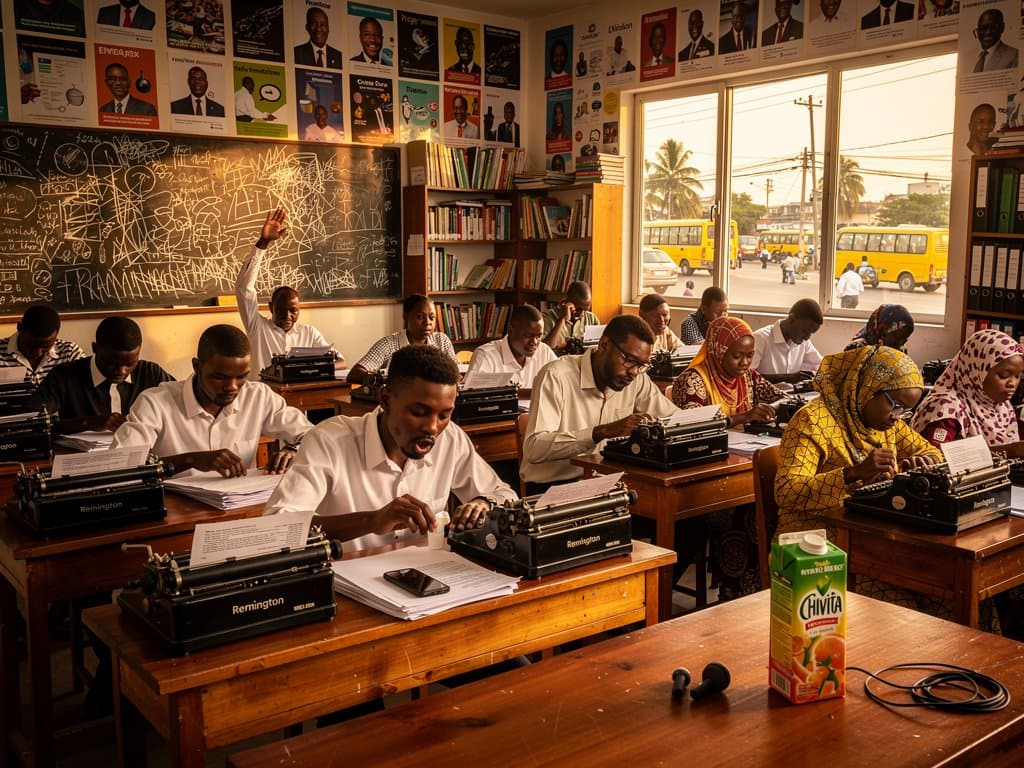
University of Lagos lecturer Dr. Emeka Nwosu deployed 30 vintage typewriters on April 15, 2024, to combat AI plagiarism. Students now submit physical essays that bypass ChatGPT detectors. Nigeria's National Information Technology Development Agency (NITDA) highlighted EdTech integrity risks in its 2023 annual report. Frequent power outages in Lagos make typewriters a reliable choice.
Digital tools like Turnitin detect unnatural phrasing. But human-edited AI text evades them. Dr. Nwosu's typewriters force manual typing without copy-paste. Classrooms echo with key clacks during blackouts. He bought the machines from Yaba markets via Jumia for ₦50,000 total, or $30 USD at April 2024 rates.
Nigerian EdTech Booms to $2B Amid AI Threats
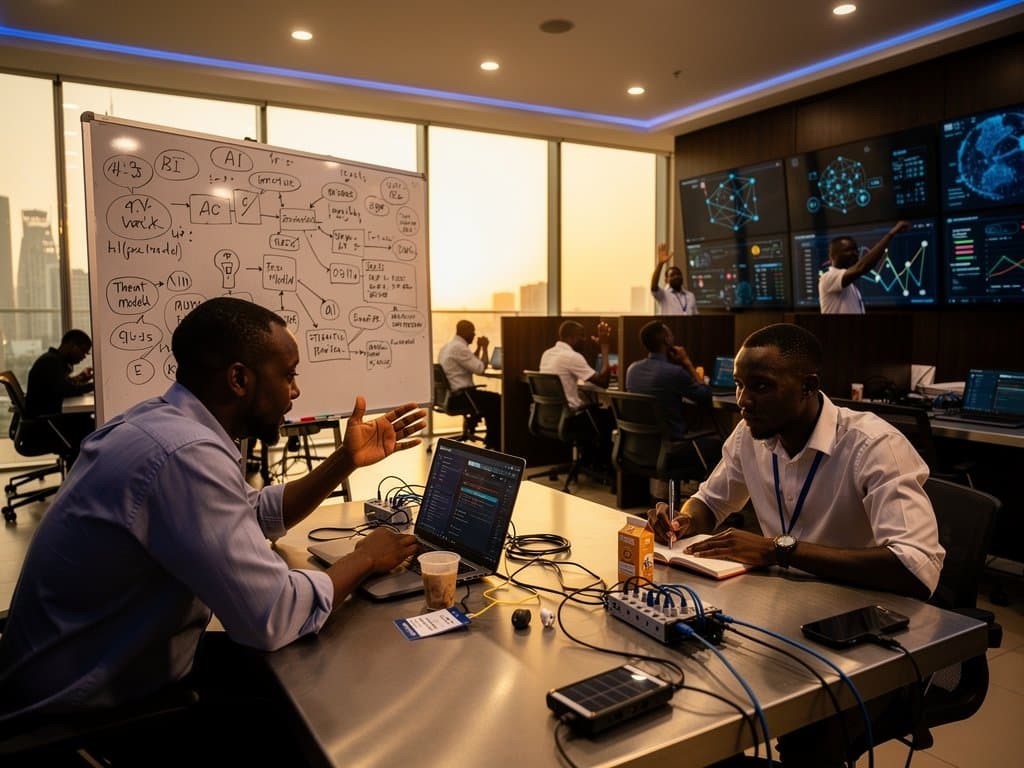
Nigeria's EdTech sector reached $2 billion USD in 2023, according to NITDA data. Enrollment grew 25% yearly, driven by Lagos and Abuja startups like AltSchool Africa. These firms integrate Paystack for payments despite erratic internet.
Power access averages 4 hours daily in Lagos, per World Bank 2023 stats. Lecturers adapt with low-tech fixes. White-out on typewriter pages proves authentic edits. Turnitin CEO Chris Lutze noted in a 2024 blog that AI hybrids fool detectors 40% of the time.
Academic forgery echoes fintech scams. CcHUB-backed AltSchool Africa raised $1.5 million USD in seed funding in 2023 from TLcom Capital, earmarked for content platforms.
Typewriters Outperform Detectors in Nigeria's Reality
AI detectors produce false positives on human writing, per Reuters reporter Stephen Nellis in an August 2023 article. Typewriters eliminate software issues entirely. Ink traces verify effort.
EdTech apps target rural Nigeria, where mobile penetration hits 55% (NCC 2024). AI generates content fast but invites abuse. Plagiarized degrees alarm venture capitalists. Nigerian funds like TLcom demand verified skills.
Andela bootcamps in Lagos teach ethical AI use. Coursera tests proctoring software. Local voice biometrics emerge from Yaba hubs.
Blockchain Emerges as Scalable AI Plagiarism Fix
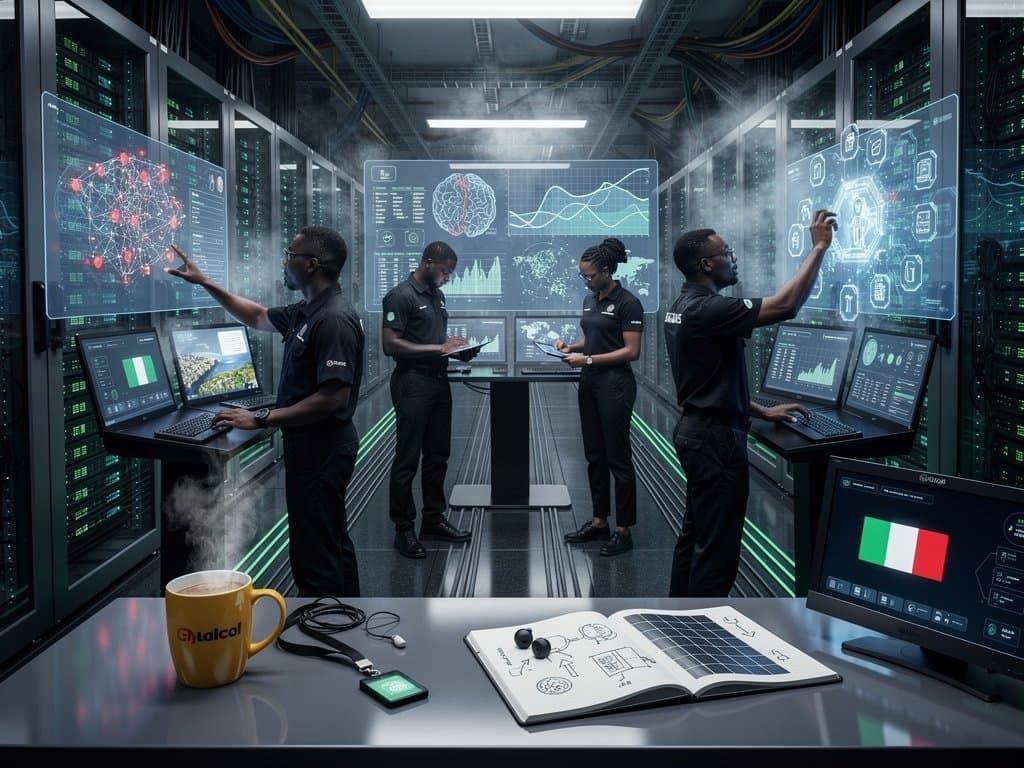
Typewriters suit small classes but fail at scale—paper storage burdens universities. NITDA pilots blockchain for immutable submission timestamps. Smart contracts on Ethereum, post-2022 Merge, ensure proof-of-stake security.
Yaba developers code open-source detectors. Hybrid systems blend typewriters with solar scanners. NITDA drafts AI ethics guidelines for education, targeting 2025 rollout.
Kenya's EdTech hubs like Nairobi enjoy 80% internet uptime versus Nigeria's 45% (Ookla 2024). M-Pesa enables stable payments there. Rwanda tests national blockchain for credentials.
South Africa's Takealot invests in proctoring amid similar AI woes.
Infrastructure Gaps Shape Nigerian EdTech Defenses
Nigeria trails Kenya in power reliability—Lagos blackouts cost $29 billion USD yearly (World Bank). Solar chargers hybridize typewriters, but grid upgrades lag.
MTN and Airtel push 5G, yet rural internet costs ₦10,000 monthly ($6 USD). NITDA partners with regulators like NCC for affordable access.
Flutterwave and Paystack verify student payments securely. Blockchain aligns with CBN's digital currency pilots.
Securing Tech Talent Pipeline from AI Risks
Universities supply talent to Flutterwave and Andela. AI-tainted resumes mislead recruiters. Typewriters build critical thinking through visible revisions.
VCs like TLcom fund watermarking startups. NITDA hosts forums linking educators and founders. Policies mandate verification tools by 2026.
Dr. Nwosu predicts hybrid adoption. Blockchain scales cybersecurity nationwide. NITDA's framework will fortify Nigerian EdTech against AI plagiarism, blending analog grit with digital promise.
Frequently Asked Questions
How do typewriters combat AI plagiarism?
Typewriters produce physical drafts with manual edits and errors. They prevent digital copy-paste and ensure verifiable originality in low-power Nigerian classrooms.
What role does AI plagiarism play in Nigerian EdTech challenges?
AI plagiarism undermines credentials from platforms like AltSchool Africa. It erodes investor trust amid Nigeria's infrastructure gaps, prompting NITDA interventions.
Why do AI detectors fail against AI-written work?
Tools like Turnitin miss human-edited AI hybrids and issue false positives. Typewriters provide foolproof analog alternatives.
How does AI plagiarism relate to cybersecurity in education?
It mirrors digital forgery risks in credentials. Blockchain delivers tamper-proof solutions, aligning with NITDA's ethics guidelines.