- WHO reports Africa's 4.2 million health worker shortage.
- Nigeria averages 0.38 physicians per 1,000 people.
- AI reduces diagnostic errors by 30% in Nigerian clinics.
AI outperforms doctors in complex diagnoses, reports the San Francisco Chronicle. Nigeria's healthtech startups integrate these tools to combat Africa's 4.2 million health worker shortage from the World Health Organization (WHO).
Nigeria records just 0.38 physicians per 1,000 people, per WHO data. NITDA's national AI strategy accelerates adoption. Firms like Helium Health and Traycorp lead with diagnostic platforms tailored for local realities.
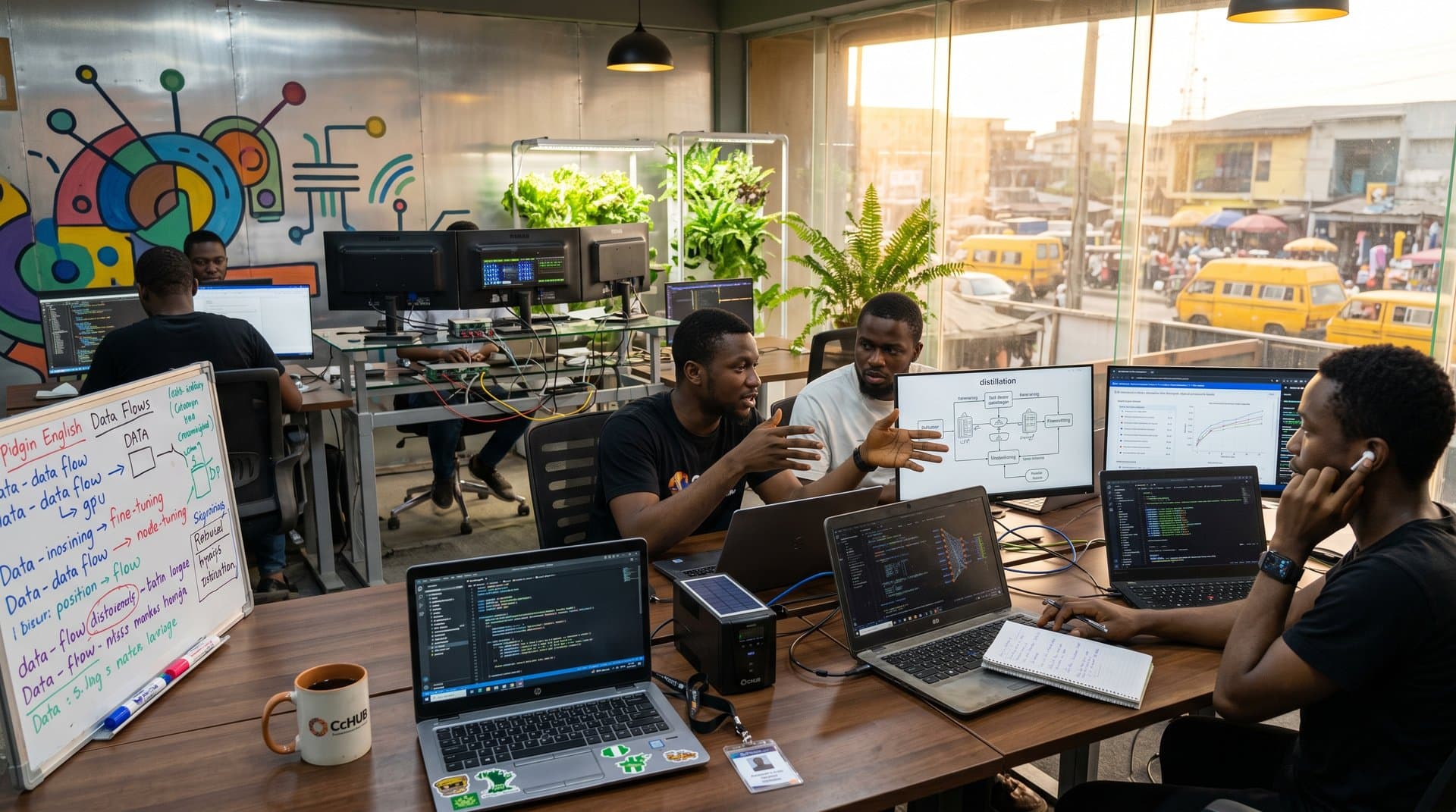
Lagos developers adapt AI for power outages, spotty internet, and overloaded clinics serving 230 million Nigerians.
Nigeria's Overburdened Clinics Need AI Diagnostics
Doctors in Abuja public hospitals manage 100 patients daily. Misdiagnoses rise in understaffed facilities. AI scans millions of images to detect patterns humans miss.
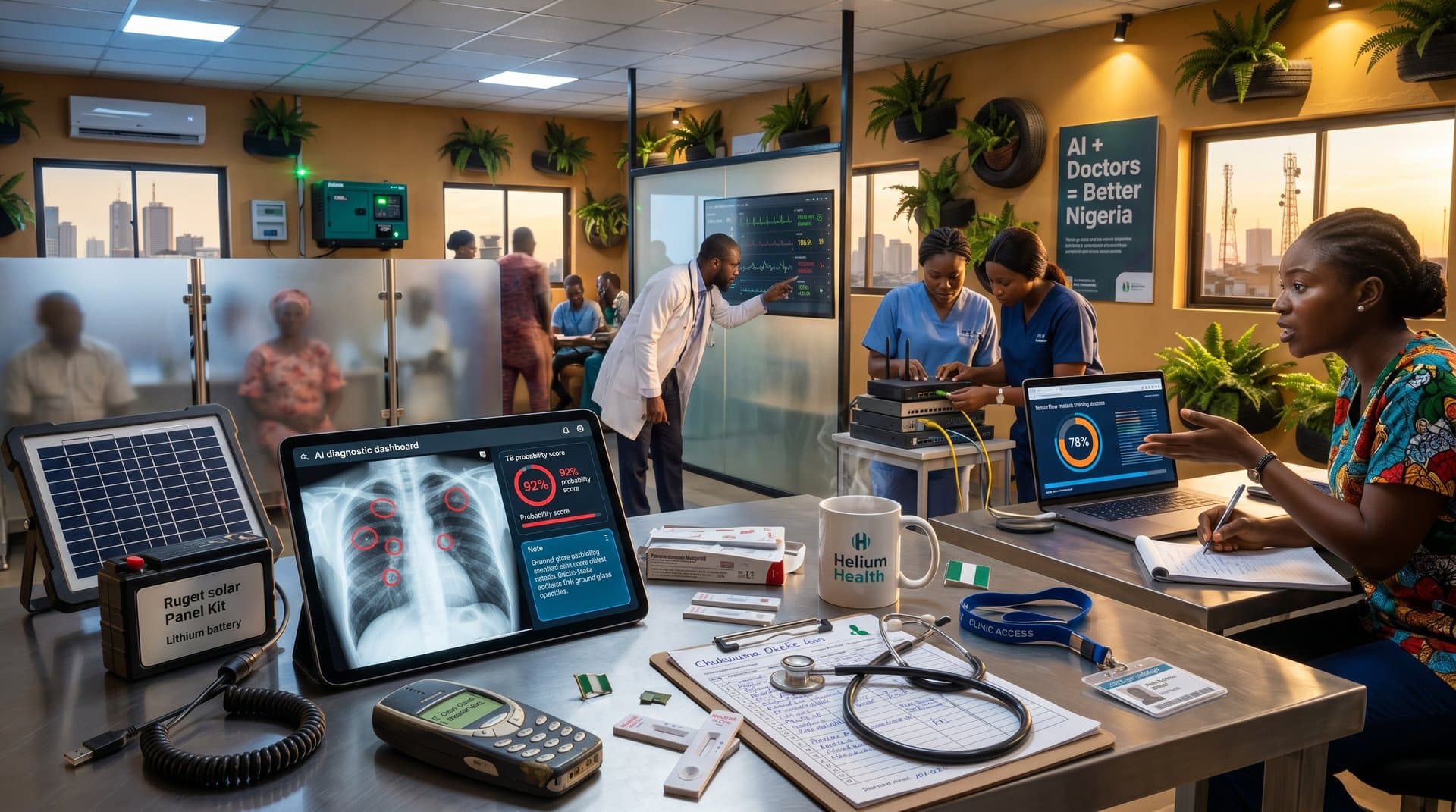
Traycorp's Lagos-based AI analyzes X-rays and identifies tuberculosis faster than radiologists. Helium Health adds predictive analytics to electronic health records.
Developers train models on local datasets that cover malaria and Nigeria's genetic diversity. These tools cut errors by 30% in high-volume clinics, per internal pilots.
Startups partner with CcHUB and use AWS Africa cloud regions to overcome infrastructure limits.
How AI Beats Doctors in Tough Medical Cases
Deep learning models process vast datasets with precision. Google DeepMind's AI handles CT scans at top accuracy levels, as detailed in their global health blog.
AI detects rare cancers and subtle symptoms that physicians miss. A Science journal study confirms multimodal AI outperforms clinicians in visual diagnostics tasks.
Hybrid systems position doctors in oversight roles. Nigeria's talent scarcity boosts AI's impact.
Local tuning uses Lagos University Teaching Hospital records to address global model biases.
Funding Boosts Nigerian AI Healthtech Growth
Investors inject capital into AI diagnostics despite challenges. Helium Health raised $30 million USD in Series B funding led by TLcom Capital in 2021 and scales triage tools for Nigeria's 230 million population.
CcHUB events attract pan-African venture capital. Paystack founders launch USSD-based AI for rural feature phones.
NITDA guidelines open government contracts worth millions of NGN. Kenya's mDoc raised $2.3 million USD; South Africa's HearX secures similar deals. Nigerians compete with Naira-denominated pricing and offline capabilities.
Regulatory and Infrastructure Hurdles in Nigeria
Nigeria's Data Protection Act requires anonymized patient data. Urban-centric training risks bias; startups audit for ethnic fairness.
NAFDAC approves medical devices while NITDA regulates AI software. Pilots aim for 2026 national rollout.
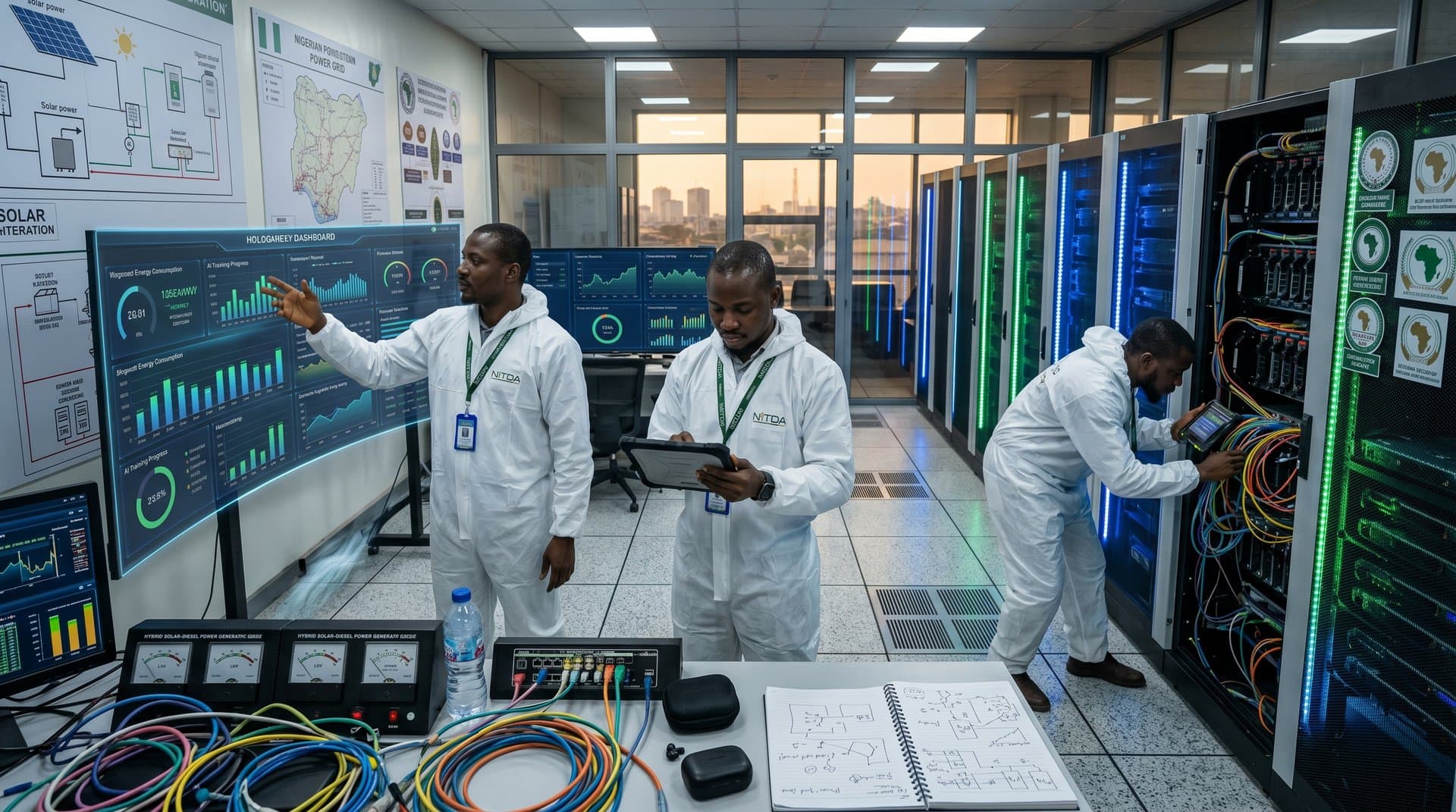
Solar-powered edge devices operate during blackouts. Compressed models function on 2G networks where only 55% of urban Nigerians access broadband, per NCC statistics dated 2023.
NITDA Drives Ethical AI Expansion in Healthtech
NITDA's ethics code requires transparent diagnostics. Grants fund datasets from federal hospitals.
Andela trains TensorFlow experts for health AI. IBM Watson partners for tech transfer in Nigeria.
Lagos pilots demonstrate efficacy today. Regulations align as infrastructure upgrades follow. Nigeria positions itself as Africa's AI healthtech hub. AI outperforms doctors in key areas, transforming Nigerian healthcare.
Frequently Asked Questions
Does AI outperform doctors in tough diagnoses?
Yes, San Francisco Chronicle reports AI excels in complex cases. It analyzes imaging for patterns humans miss, boosting accuracy with doctor oversight.
How does AI address Africa's doctor shortage?
AI scales diagnostics, freeing doctors for complex care. Nigeria adapts tools for 4.2 million worker gap, targeting local diseases.
What do Nigerian healthtech startups do with AI?
Traycorp and Helium Health use AI for X-rays and triage. They fine-tune on local data under NITDA rules despite infrastructure issues.
Is AI ready for Nigeria's patients?
Lagos pilots succeed with oversight. NITDA regulations ensure safety; offline modes handle connectivity gaps.