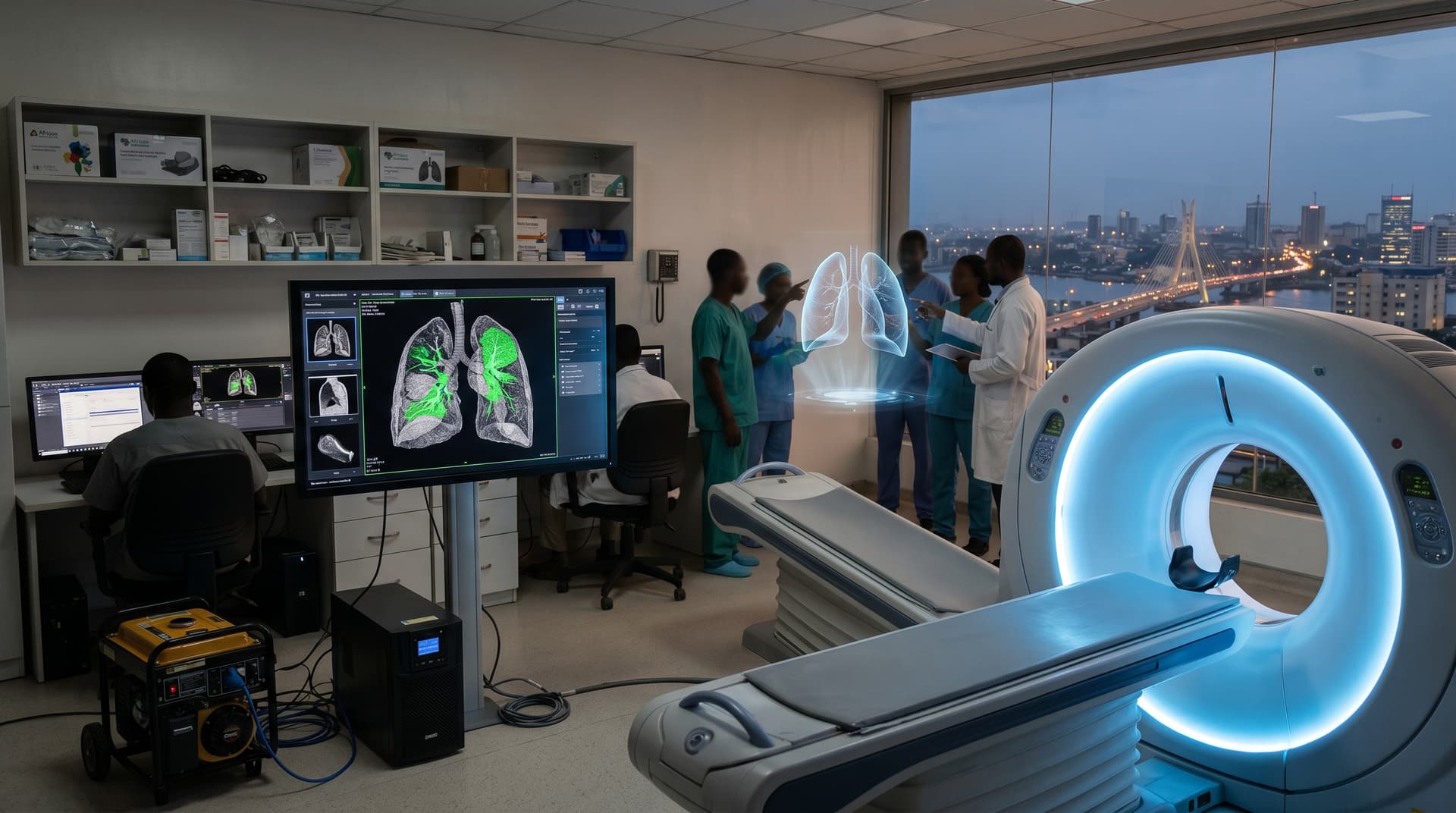
AgriScan AI launched AI drones wheat selection tools on April 11, 2026. The Lagos-based startup targets drought-prone northern Nigeria. Kano pilots delivered 25% yield gains, as confirmed by International Institute of Tropical Agriculture (IITA) reports.
Founder Chinedu Eze identified the need during 2025 Kano harvests. Wheat crops failed amid erratic rains and prolonged dry spells. Drones now scan fields for deep roots, pest resistance, and drought tolerance traits.
How AI Drones Wheat Selection Works
Drones equipped with multispectral cameras fly at 50 meters altitude. They capture high-resolution images every 10 seconds across 100-hectare plots. Machine learning algorithms process data in real time using convolutional neural networks (CNNs).
The AI model, trained on 50,000 IITA images, scores plants on vigor, biomass, chlorophyll content, and stress tolerance. Farmers access detailed field maps via a mobile app. Edge computing devices handle processing despite Nigeria's spotty internet coverage.
Solar panels enable eight-hour daily flights, critical in areas with unreliable power grids.
Nigeria Wheat Production Challenges
Nigeria imports 5 million metric tons of wheat annually, per Federal Ministry of Agriculture 2025 data. Local production lags at 500,000 tons due to recurrent droughts, poor seed quality, and fragmented supply chains.
Kano and Jigawa states suffer most, with smallholders farming 80% of arable land using rudimentary tools. AgriScan shortens breeding cycles from years to months, accelerating resilient variety development.
Kano pilots covered 500 hectares in March 2026. Selected seeds achieved 3.2 tons per hectare, surpassing the 2.5-ton national average, IITA confirms. This uplift equals NGN 560,000 extra revenue per hectare at NGN 800 per kg wheat prices (FAO 2025).
Founder Chinedu Eze's Drive
Chinedu Eze, a former Andela software engineer, left tech in 2024 after witnessing hometown farmers discard failed crops. "Drones deliver precise data that poor farmers previously lacked," Eze states.
AgriScan bootstrapped with NGN 50 million ($30,000 USD at 1,650 NGN/USD). The startup secured NITDA Class 1 drone operation approvals under 2024 regulations.
Eze plans sorghum and maize expansions. His 12-person team recruits AI talent from AltSchool Africa amid Nigeria's growing tech skills gap.
Seed Funding Powers Growth
EchoVC Ventures led a $1.5 million USD seed round on April 11, 2026. Lagos-based angels contributed $500,000 USD. Proceeds fund 50 additional drones and team expansion.
"AgriScan addresses Africa's breadbasket challenges head-on," says EchoVC partner Tola Adesanmi. NITDA's 2026 agrotech report projects 15% annual sector growth in Nigeria.
Kenya's Apollo Agriculture relies on satellites at $10 per hectare yearly. AgriScan's low-altitude drones offer superior resolution at NGN 50,000 ($30 USD) per hectare, delivering 25% yield gains worth NGN 200,000+ extra revenue.
Africa's Wheat Market Opportunity
Africa demands 25 million tons of wheat yearly, FAO 2025 data shows. Climate models forecast 20% yield drops by 2030 without resilient varieties.
Nigeria holds 40% of regional production potential, strained by naira volatility and $5 billion USD import bills. AgriScan forecasts NGN 2 billion ($1.2 million USD) revenue by 2028 via NGN 50,000 per hectare subscriptions.
South Africa's Aerobotics raised $17 million USD in 2025 for orchard monitoring. AgriScan's rugged drones handle Nigeria's dirt roads, 45°C heat, and 45% rural power access (World Bank 2025).
Infrastructure-Ready Design
Drones bypass grid failures, launching from farm hubs without runways. Data syncs over 4G networks, where 10GB costs NGN 5,000 monthly.
NITDA's March 2026 policy limits flights to 120 meters with geofencing. AgriScan fully complies, ensuring safe operations.
WhatsApp videos train farmers. Kano pilots reached 200 smallholders, boosting adoption.
Policy and Ecosystem Alignment
AgriScan aligns with Nigeria's 2026 National Agricultural Technology Policy. The government pledged NGN 100 billion ($60 million USD) for AI-driven tools and seed banks.
Partners include CcHub's agrifood lab. AgriScan feeds phenotyping data to national seed systems.
Higher yields could slash 10% of Nigeria's NGN 1 trillion ($600 million USD) annual wheat imports, easing forex pressures.
Expansion Plans Ahead
AgriScan scales to 1,000 hectares in Jigawa by July 2026. AI upgrades will predict pests and optimize irrigation.
Eze hires NYSC-trained drone pilots. Expansion targets Ghana's savanna zones and Ethiopia's highlands.
AI drones wheat selection empowers Nigerian farmers with precision tools for sustainable food security.