- Fear & Greed Index at 31 signals investor caution as AI disrupts talent pipelines.
- BTC holds at $77,739 amid concerns over AI's impact on human smarts.
- ETH trades at $2,317.61 while African hubs build AI-resistant skills.
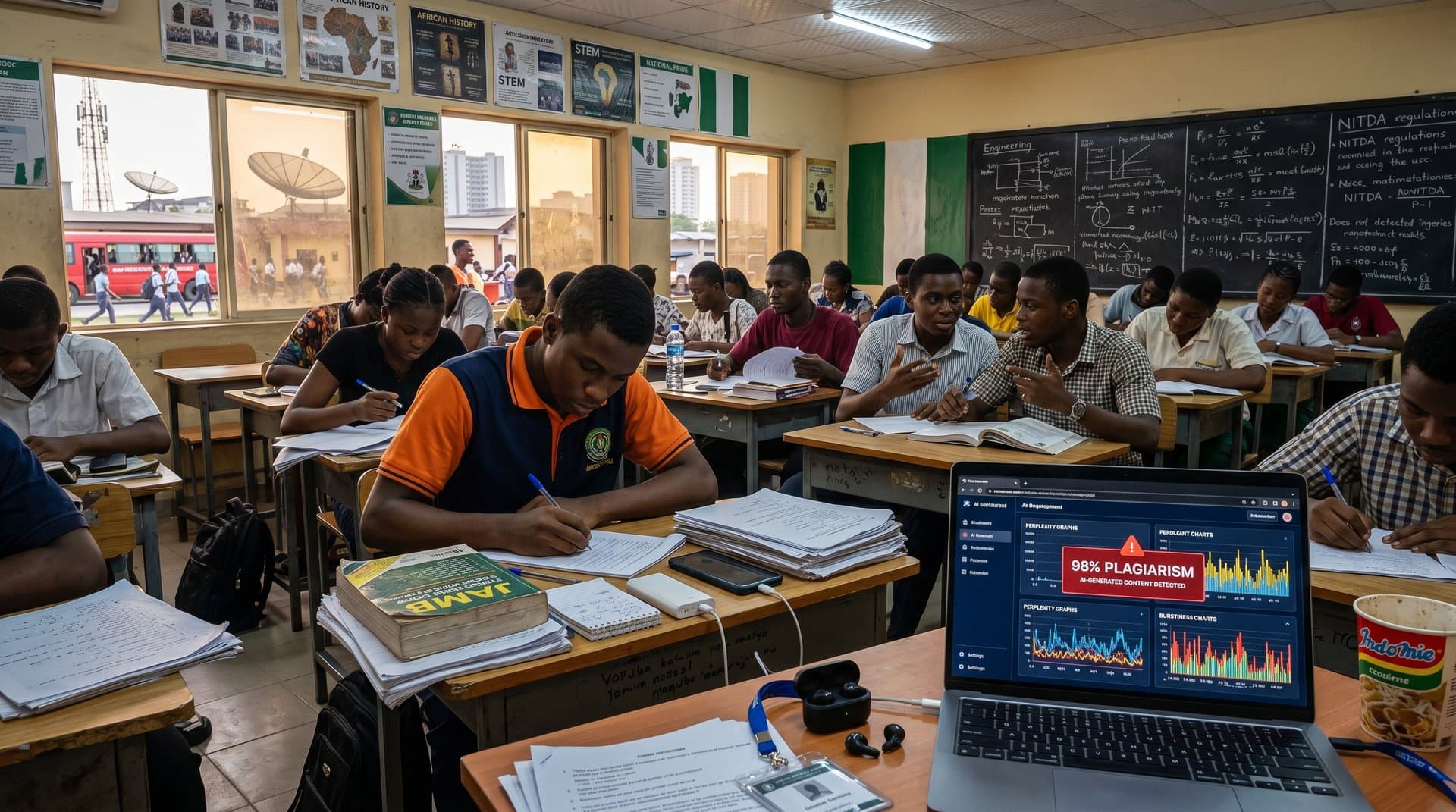
Wall Street Journal essay argues AI cannibalizes human intelligence by automating cognitive tasks. This threat lands heaviest on Africa's tech-savvy youth driving Nigeria's startup boom. Developers in Lagos and Abuja risk skill atrophy as tools like ChatGPT handle coding and problem-solving.
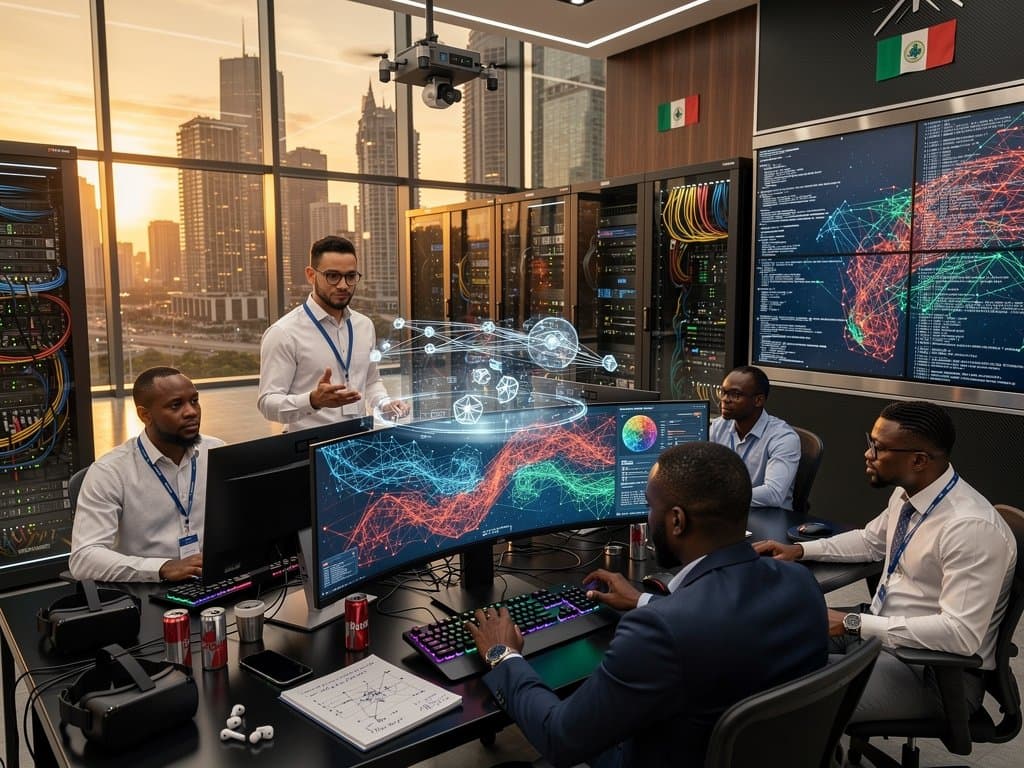
Nigeria's ecosystem pulses with talent from hubs like CcHUB and Andela. These centers train thousands for fintech giants such as Flutterwave and Paystack. Yet AI adoption accelerates, mirroring global shifts where routine intelligence yields to algorithms. Fear & Greed Index sits at 31, signaling investor caution amid tech disruptions. BTC trades at $77,739, down 0.3%, while ETH holds at $2,317.61.
The essay spotlights how overreliance dulls critical thinking. African developers, often freelancing on platforms like Upwork, face immediate pressure. NITDA pushes digital skills, but pure automation sidelines human ingenuity.
Why Does AI Erode Human Intelligence in Nigeria's Tech Scene?
AI excels at pattern-matching and data synthesis. Nigerian coders thrive on Upwork gigs solving bespoke problems for global clients. Generative models now generate code snippets, slashing demand for entry-level work.
Lagos hubs witness this shift firsthand. Founders at CcHUB report juniors leaning on AI for prototypes. This shortcuts learning curves essential for innovation. Human smarts — intuition honed by Nigeria's infrastructure challenges — fade without deliberate practice.
Paystack engineers once debugged payment gateways manually. Today, AI debuggers proliferate. The result: shallower expertise in a market craving resilient fintech solutions amid power outages and bandwidth limits.
Reuters details Africa's push for homegrown AI, highlighting local data needs over imported models.
How Does AI's Rise Affect Nigeria's Startup Funding Landscape?
Investors eye AI efficiency. Yet Fear & Greed at 31 reflects broader unease. XRP dips to $1.43, BNB to $632.40, as tech narratives pivot.
Nigerian startups raised billions in USD last cycles, fueling agritech and edtech. AI promises cost cuts, but erodes the human edge differentiating African ventures. Flutterwave succeeded on local insights AI lacks.
Andela pivots to AI-augmented training. Graduates must master oversight of models, not just prompts. This hybrid demands preserved intelligence.
Market data underscores volatility. USDT stable at $1.00 anchors traders, but sentiment sours.
What Makes Innovation Hubs AI-Resistant in Africa?
CcHUB in Yaba emphasizes design thinking over code generation. Programs force participants to prototype without AI crutches. This builds intuition for Nigeria's unique pains — unbanked millions, farm-to-table logistics.
Andela's Abuja campus runs hackathons banning LLMs. Winners pitch human-led solutions to VCs. Such formats preserve cognitive muscles AI targets.
NITDA's strategy integrates ethics and oversight. NITDA's National AI Policy mandates human-in-loop for public AI deployments. Hubs adopt this, training on adversarial testing where humans spot model flaws.
AltSchool Africa blends curriculum with real-world constraints. Students simulate low-bandwidth deploys, forcing algorithmic creativity beyond AI defaults.
How Can Nigeria Foster the Next Wave of AI-Resistant Talent?
Policymakers target curricula reform. Universities in Nsukka and Ile-Ife introduce AI literacy sans dependency. Focus: philosophy of intelligence, not tool mastery.
Startups experiment with "AI sabbaths" — tool-free sprints. PiggyVest enforces weekly no-AI coding, sharpening raw skills. Founders report breakthrough ideas emerge.
TechCrunch covers booming African AI startups, stressing talent pipelines.
Diaspora networks amplify. Nigerian devs in San Francisco mentor via Hyperstack events. They stress hybrid fluency: wield AI without surrender.
Venture firms like TLcom back hubs explicitly. Their thesis: human-AI symbiosis wins in Africa's context.
Why Prioritize Human Intelligence Amid AI Dominance?
AI hallucinates on African datasets. Models trained on Western data falter on pidgin queries or Hausa dialects. Human oversight corrects this, vital for agritech serving northern farmers.
Gaming scene in Lagos booms with human creativity. Studios like Carry1st craft narratives AI can't replicate. Hubs nurture this edge.
Infrastructure realities demand smarts. Data centers in Lagos strain under heat; engineers improvise cooling sans cloud reliance.
What Roadmap Lies Ahead for Africa's Tech Ecosystem?
NITDA convenes hub leaders quarterly. Goals: standardize anti-atrophy protocols, measure cognitive baselines.
Founders scale models locally. InstaDeep's Tunis model inspires Nigerian clones emphasizing human tuning.
Global parallels inform. DeepMind hires for reasoning, not prompting. Nigeria follows suit.
Whether NITDA's hubs produce leaders or followers hinges on reclaiming human intelligence now.
Frequently Asked Questions
Why focus on AI-resistant skills in African tech talent?
AI fails on sparse local data, needing human correction. Nigeria's youth drive edtech and agritech needing bespoke intelligence. Hubs like AltSchool build this resilience.